About Solar Panel Subsidy
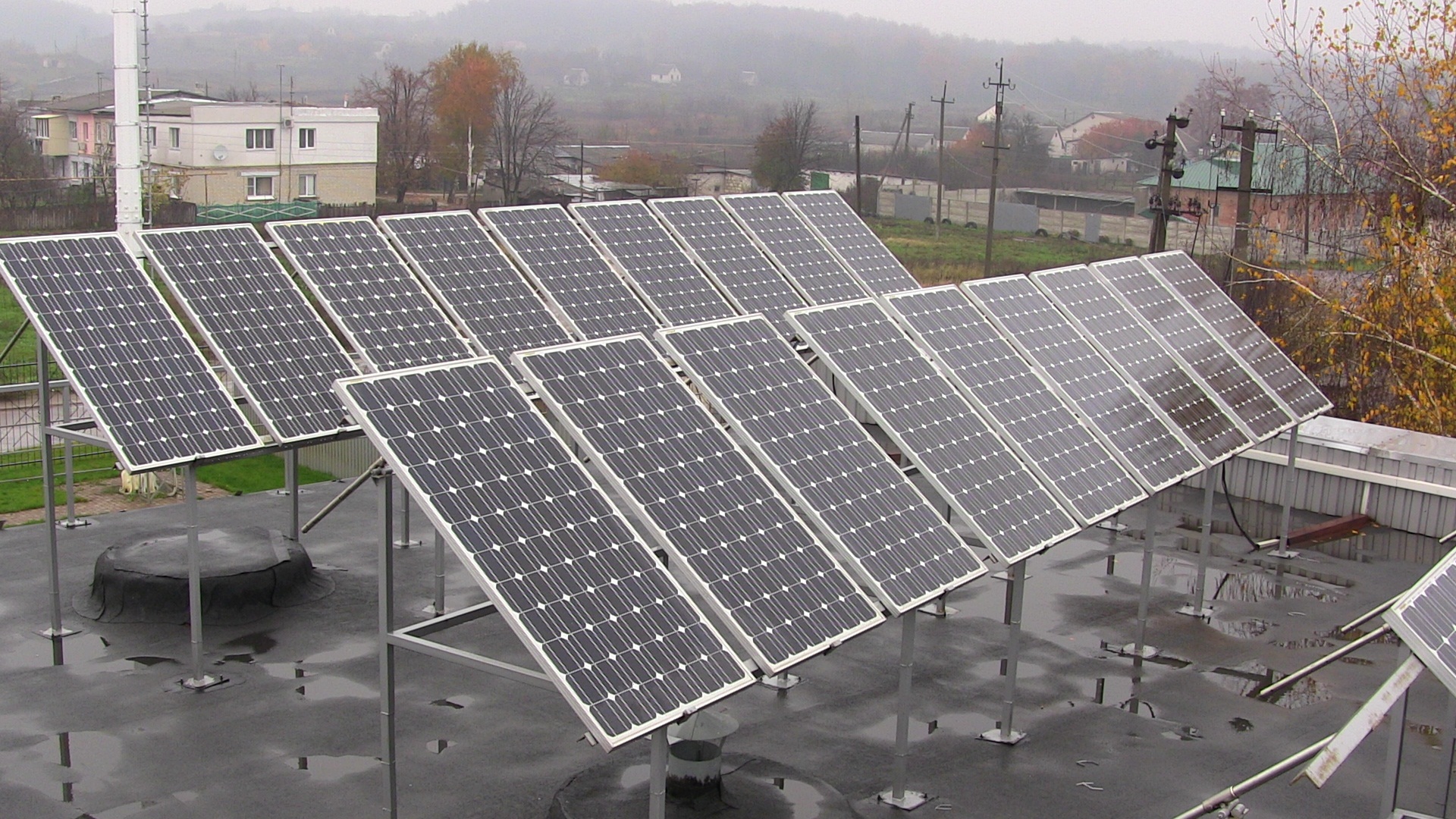
The Haryana Department of Renewable Energy has initiated a program to conserve resources by implementing a solar rooftop power plant. Solar System Plants are provided to every residential, institutional, social sector, and the private, commercial, and industrial sector in the state under this solar panel subsidy scheme. People understand the benefits of solar and its importance, but they are not ready to install solar panels in their homes or businesses as they find it expensive.
For this very reason, the Haryana government announced a solar panel subsidy that will be given on the purchase of solar panels or solar systems. The goal of this solar policy is to promote cost-effective green alternatives.
Haryana Solar Panel Subsidy Scheme 2022
Have trouble keeping up with rising electricity costs? Now you can generate your own electricity and sell it at a set price. It may sound absurd, but the government is providing such services to the public. The Department of Renewable Energy has begun the Grid Connecting Power Plant Scheme. Solar plants will be installed on the rooftops of buildings to generate electricity.
The government would also provide a 30% subsidy for plants that cost less than 20 thousand rupees per kilowatt. Selling electricity units generated by solar power back to the power company can save you a lot of money each month. The electrical company will compensate you for the units you provided. 6–7 rupees per unit fixed pricing.
The objective of the Haryana Solar Panel Subsidy 2022
The Indian Ministry of New and Renewable Energy (MNRE) has introduced a number of Central Financial Assistance (CFA) initiatives to encourage the use of solar energy in India and help the country reach its goal of 100 GW of installed capacity.
For this very reason, the government grants solar panel subsidies to businesses that contribute to the growth of the country through this program. This solar panel subsidy is only for the institutional, residential, and social sectors, not for commercial, industrial, or public-sector businesses.
According to the Ministry of New and Renewable Energy (MNRE), the Central Government pays 30% of the benchmarked installation cost for roof PV systems, which is limited to some states, whereas special category states in the north, such as Uttarakhand, Himachal Pradesh, Jammu & Kashmir, and Uttar Pradesh, receive a 70% subsidy on benchmark installation costs.
Advantages of Solar Installation in Haryana
- You can save 90% on your electricity costs.
- 25-year lifespan
- Payback period less than 5 years
- There is no need for upkeep.
- The cost per KW ranges between 60000 and 75,000 rupees.
- Additional incentives on total solar energy generated in electricity bills of up to 1.1.00 per unit.
- Use the net-metering function to feed the surplus solar energy into the grid.
- 1500 units can generate KW of electricity every year.
Eligibility for Haryana Solar Panel Subsidy 2022
The candidate must be a Haryana resident to be eligible for the scheme. This plan will be applicable to the residential, institutional, social sector, private, commercial, and industrial sectors.
Required Documents for the Application
- Proof of Identity (Any One) – Pan Card, Passport, Voter Card, Aadhaar Card, Driving license, etc.
- Residence / Address Proof – Aadhar Card, Tax deduction account number, etc.
- Site Address Proof – Electricity bill.
- For Other Than the Residential Area – Registration Certificate, Proof of being an institution / social organization.
How to Apply for Haryana Solar Panel Subsidy 2022
Step up 1: Visit Renewable Energy Department Haryana / Haryana Renewable Energy Development Agency (HAREDA). You can check the website here.
Step up 2: Sign up for the Haryana Solar Panel Subsidy by creating a username and password.
Step up 3: After signing up, click on APPLY.
Step up: Fill up all the necessary details and submit your documents in the nearest office.
Important Things to Know:
- Space Requirement 10 Sq.mt. /Kwp
- No Application fee is required when applying for the installation.
- No permission is required from HUDA for installation.
- Subsidy is available on a grid-connected system.
- The solar panel should be made in India.