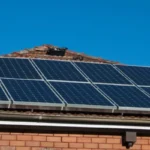
When you’re ready for solar panel installation on tiled roofs of your home, there are many factors that will determine the unique design and cost of your solar system. Various roof types require different processes for installation. For example, lightweight tile roofs can present unique challenges and considerations for a solar installer. Here are a few things you need to know before adding solar energy to your tile roof.
What is unique about solar installations on lightweight tile roofs?
Cement and clay tile roofs, often known as terracotta tile roofs, are commonly found in the western and the southwest United States. There are three shapes typically associated with this style of tile– “W,” “S” or flat tile. Tiles weighing less than nine pounds per square foot are classified as lightweight tiles. Attempting to install solar panels directly on top of a lightweight tile roof is not generally advised.
While they may hold up well against harsh weather, these tiles are not designed to withstand the added pressure of solar panels. Breaks or cracks can occur during the solar panel installation process, thus compromising roof integrity and leading to leaks and other damage to your home. Drilling through these tiles may also result in damage to the base layer of your roof called the underlayment, which is used for extra protection below tiles or shingles.
Some people will choose to remove individual tiles and replace them with special tile replacement mounts. Although this method may work for heavyweight tiles, lightweight tiles that are not removed are still at risk.
If this method of installation is pursued and solar panels are successfully mounted without tile breakage, there is still a possibility of issues coming up in the long run. Because lightweight tiles are fragile, vibrations that occur from wind passing between the panels and the racking system sitting on top of the tiles can also result in future incidents.
How do you install solar panels on tile roofs?
A preferred technique utilized to install high-tech solar panels on a lightweight tile roof is called an inset solar installation, sometimes referred to as a “comp-out.” This process may add additional steps and one-time extra costs to your solar project but will give you long-term durability and help prevent potential damage to your home.
During this process, a roofing professional will remove the existing tile roof from the area where the solar array will be installed and lays new composite shingles in its place. Transitions are reinforced with a sheet metal called flashing and are sealed to ensure the roof is completely waterproof.
Next, a solar expert installs the solar array on the composite shingle surface. Accidental harm to composite shingles that could lead to a compromised roof is unlikely, particularly in comparison to the potential of inadvertent damage to fragile lightweight tiles. After solar installation on the composite shingles is complete, the area around the solar array is filled in with the previously removed tiles. This creates the aesthetically pleasing appearance of the solar array being built into the roof.
What are the benefits of installing solar panels on tiled roofs?
Having a tile roof helps make your home more energy efficient, because roofing tile is installed individually, instead of in sheets or in an overlapping style. It leaves space around each tile to allow for ventilation, and it creates a thermal barrier for heat transfer into your home. This barrier makes heating or cooling your home more efficient, which saves you money on your utility bills each month. You can further cut down your costs, or even eliminate them, by adding solar panels to your tile roof.
Beyond the initial cost of purchase and installation, you’ll only be paying for electricity when your monthly energy consumption exceeds what can be captured by your solar panels. With the appropriate size system for your home, energy consumption, and climate, you can expect serious savings. Another advantage is that having solar panels also increases the value of your home, all the while reducing your overall carbon footprint. So you can be energy efficient and also have a green home!