In comparison to a conventional commercial facility, hospitals consume more energy. Hospitals require a consistent supply of electricity for anything from simple life-monitoring equipment to complex diagnostic imaging systems. More than one billion people live in India’s rural areas without access to adequate medical facilities due to a shortage of energy. We must first overcome this problem in order to provide seamless healthcare services.
Due to the lack of natural resources, rising energy prices, and demands, firms have begun to use green and eco-friendly energy to meet the challenges of the future.
Solar power is growing more efficiently than other traditional sources of energy with each passing year. Today, installation is increasingly common in areas that are not linked to the grid or have a high electrical demand. Solar panels can be found in a variety of settings, including residential, commercial, and industrial buildings. Power is in high demand in places like hospitals and other medical centers. As a result, solar panels make perfect sense for such organizations.
Benefits of green and clean energy for the healthcare industry
1. 24×7 power supply
Various diagnostic and critical care units in hospitals require power supply 24×7. From refrigerators, and air conditioners to surgical and other medical devices, all of them need power support on a day-to-day basis. A hospital cannot function properly if it lacks uninterrupted electricity. This problem could be tackled with a DG but their costs are rising rapidly due to the scarcity of fossil fuels. Hospitals must invest in sustainable energy to tackle this issue. Pairing solar plants with batteries or connecting them with a DG system could result in uninterrupted power at lower costs. This will also reduce the environmental footprint of the healthcare industry.
2. Ease of installation
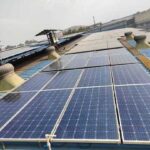
Hospitals and healthcare facilities are usually constructed on huge plots of land. Healthcare centers in rural locations are surrounded by vacant land. Solar panel units could be installed in these places as they receive enough sunlight throughout the year. Furthermore, hospital buildings feature empty rooftops that are exposed to sunshine and could be ideal for solar installation. There will be less wear and tear because there are no moving parts. Only the inverter, wires, and cables would need to be replaced, and that only after 5-10 years.
3. Reduced electricity bills
The best way to cut down your electricity bill is to invest in solar energy. The savings can be utilized by the healthcare facilities for other investments in key sectors. The fluctuation in electricity prices in India is one of the major factors why people are opting for solar energy. Once the initial cost of your solar power system gets covered, your business will start generating electricity for free. This will help you gain energy independence and will increase the value of the property.
4. Reliability
Solar panels provide 25+ years of a long life with minimal maintenance. With advancements in technology, the efficiency of solar panels is increasing rapidly. Installing solar plants with a reliable partner is an extremely hassle-free experience.
5. Set an Example
The healthcare industry should come forward and switch to solar. This will massively reduce your carbon footprint and will help the country reach its renewable energy targets. By switching to renewable energy, your hospital sends a strong message to your community that you care about the environment and are committed to the fight against climate change.
6. Great ROI
After the solar PV system is installed, you can generate electricity for your hospital and earn credits by transferring the excess electricity through net metering. Not just this, with the installation of solar, you’ll be building a long-term asset for your organization.
7. Abundance of sunlight
Due to its geographical location, India receives an ample amount of sunlight and therefore, has tremendous scope for generating solar energy. Being an inexhaustible source of energy, solar energy is the best replacement to other non-renewable energies like fossil fuels in India. While fossil fuels have a damaging effect on our environment and are responsible for global warming, solar energy is renewable and does not cause harm to the environment.
Green energy not only assures an uninterrupted supply of electricity and helps the healthcare sector lower its carbon footprint by addressing challenges such as power outages and high-voltage usage. The solar rooftop model is the perfect source of energy because it does not contaminate the environment or emit greenhouse gases. The healthcare industry can save energy, and money, and provide services at a lesser cost. The installation method has become more feasible than ever before thanks to attractive financial incentives.