Can Solar Systems Support Industrial Motors and Machines? A Complete Guide
In past, the solar systems used to be connected with the batteries that used to store the power before it was supplied to the machines and. Appliances. These solar systems were called as the off grid solar systems and were typically used as the backup for limited purposes.
However, with the technology break through and manifold increase in the reliability of electricity supply from the Discoms, the new age solar systems directly connect to the Discoms panel and Energy Meters via certain protections and relays. No batteries are required for these On Grid Solar systems as the much-required stability to match up the intermittent nature of solar power, is provided by the Discom power. Hence, the Discom acts as the large size battery for the On Grid Solar plants.
So, the solar works only when the power is available from Discom or from the DG sets.
These On-Grid systems generate power during sunny hours which are on average 1400 hours in an year in Delhi and NCR (Gurgaon, Faridabad, Ghaziabad, Noida etc) with few hours plus or minus. So out of 8760 hours in a year, the solar is available for around 16% of time assuming the full capacity of the solar plant. The electricity units generated during the solar hours help to reduce the electricity bill of the factory while also helping the Discom to reduce the peak loads in its network. Hence, the Discoms also support the setting up of rooftop solar systems in its area through Net Metering and Banking facility.
Solar for Heavy Machines in Factories
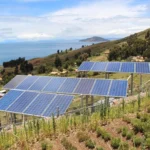
As the solar system runs in conjunction with the Discom power or Grid, the solar power can run virtually all the machines and motors in the factory. Hence, the solar systems have been adopted by heavy load industries including steel, automobiles, textile, pharma, chemicals, furniture, cold storages etc. Think of solar supply as a small pipe connected to a many times large pipe (Discoms’ supply) while feeding the electricity demand of the machines.
As Solar System is never supplying power directly to heavy machine and equipment, there is absolutely no risk to them. Such solar systems are cost effective also as they do not have expensive storage and battery systems.
Suggested Articles

Ground Mounted Solar Systems: Complete Guide for Commercial & Industrial Projects in India
Ground mounted solar systems are ideal for commercial and industrial projects with available land. This guide explains cost, land requirement, installation process, and ROI in India.
Solar Inverter Inspection & Maintenance Guide
A complete guide to solar inverter inspection and maintenance, including visual inspections, performance checks, fault diagnosis, cleaning, and preventive maintenance to maximize efficiency and reliability.
Inverter Operation and Anti-Islanding Testing Guide
A complete guide to solar inverter testing and anti-islanding performance verification, including AC system measurements and commissioning best practices.
Solar Module Support & Racking Frame Installation
A practical guide to solar racking frame installation, covering module support structures, alignment, and best practices for reliable PV systems.
Important Factors Deciding the Type of Solar PV System to be Installed
A solar site assessment helps installers evaluate location, shading, structure, and energy requirements before installation. This guide explains the essential steps for accurate solar system planning.
Corporate Safety Policies for Solar PV Workplaces
A complete guide to establishing and following safe work procedures in solar PV systems, ensuring worker safety during installation, testing, commissioning, operation, and maintenance.
Solar PV System Labeling Verification Guide
A complete guide to solar PV system labeling verification, ensuring compliance, safety, proper equipment identification, and efficient maintenance.
Generation Based Incentive Proposed for Rooftop Solar in Haryana
Haryana plans to offer Generation Based Incentive (GBI) for rooftop solar installations, promoting clean energy adoption and reducing electricity costs for consumers.