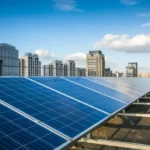
Can Solar Systems Support Industrial Motors and Machines? A Complete Guide
In past, the solar systems used to be connected with the batteries that used to store the power before it was supplied to the machines and. Appliances. These solar systems were called as the off grid solar systems and were typically used as the backup for limited purposes.
However, with the technology break through and manifold increase in the reliability of electricity supply from the Discoms, the new age solar systems directly connect to the Discoms panel and Energy Meters via certain protections and relays. No batteries are required for these On Grid Solar systems as the much-required stability to match up the intermittent nature of solar power, is provided by the Discom power. Hence, the Discom acts as the large size battery for the On Grid Solar plants.
So, the solar works only when the power is available from Discom or from the DG sets.
These On-Grid systems generate power during sunny hours which are on average 1400 hours in an year in Delhi and NCR (Gurgaon, Faridabad, Ghaziabad, Noida etc) with few hours plus or minus. So out of 8760 hours in a year, the solar is available for around 16% of time assuming the full capacity of the solar plant. The electricity units generated during the solar hours help to reduce the electricity bill of the factory while also helping the Discom to reduce the peak loads in its network. Hence, the Discoms also support the setting up of rooftop solar systems in its area through Net Metering and Banking facility.
Solar for Heavy Machines in Factories
As the solar system runs in conjunction with the Discom power or Grid, the solar power can run virtually all the machines and motors in the factory. Hence, the solar systems have been adopted by heavy load industries including steel, automobiles, textile, pharma, chemicals, furniture, cold storages etc. Think of solar supply as a small pipe connected to a many times large pipe (Discoms’ supply) while feeding the electricity demand of the machines.
As Solar System is never supplying power directly to heavy machine and equipment, there is absolutely no risk to them. Such solar systems are cost effective also as they do not have expensive storage and battery systems.
Suggested Articles

Solar for Manufacturing Units: Cost, Benefits, ROI & Installation in India
A detailed guide on 1 MW solar plant for industry covering installation cost, area requirement, power generation, ROI, and long-term savings in India.

Why Is Investing In Grade A Panels Important?
Investing in Grade A solar panels guarantees superior performance, safety, and maximum return on your solar investment.
Researchers Propose New Way to Make Nuclear Power Plants Safer
Researchers propose innovative methods to enhance the safety of nuclear power plants, aiming to reduce risks and improve operational security.
Workmanship Inspection and Tool Proficiency in Solar PV Projects
A complete guide to solar PV workmanship and tool proficiency, helping installers maintain quality standards and demonstrate technical competency.

Solar for Commercial Buildings in India: Costs, Benefits & ROI Explained
Solar for commercial buildings in India is becoming the smartest way to cut electricity bills and increase energy independence. This guide explains system costs, benefits, ROI, and how solar power helps offices, malls, hotels, and commercial complexes become more sustainable and profitable.

Affordable Solar Systems and Plants for Small and Medium Enterprises
Learn how SMEs can harness solar energy through tailored solar systems and plants to reduce electricity bills, improve sustainability, and boost efficiency.

Solar for Food Processing Units: Cost, Benefits, Installation & ROI in India
A complete guide on solar systems for the FMCG industry in India covering installation cost, benefits, ROI, system sizing, and the installation process.

What Does 1 kWp Mean in Solar Power Systems?
1 kWp is a standard unit used to measure the capacity of a solar power system under ideal conditions. This guide explains what 1 kWp means, how much energy it produces, and why it matters for system sizing.