Can Solar Systems Support Industrial Motors and Machines? A Complete Guide
In past, the solar systems used to be connected with the batteries that used to store the power before it was supplied to the machines and. Appliances. These solar systems were called as the off grid solar systems and were typically used as the backup for limited purposes.
However, with the technology break through and manifold increase in the reliability of electricity supply from the Discoms, the new age solar systems directly connect to the Discoms panel and Energy Meters via certain protections and relays. No batteries are required for these On Grid Solar systems as the much-required stability to match up the intermittent nature of solar power, is provided by the Discom power. Hence, the Discom acts as the large size battery for the On Grid Solar plants.
So, the solar works only when the power is available from Discom or from the DG sets.
These On-Grid systems generate power during sunny hours which are on average 1400 hours in an year in Delhi and NCR (Gurgaon, Faridabad, Ghaziabad, Noida etc) with few hours plus or minus. So out of 8760 hours in a year, the solar is available for around 16% of time assuming the full capacity of the solar plant. The electricity units generated during the solar hours help to reduce the electricity bill of the factory while also helping the Discom to reduce the peak loads in its network. Hence, the Discoms also support the setting up of rooftop solar systems in its area through Net Metering and Banking facility.
Solar for Heavy Machines in Factories
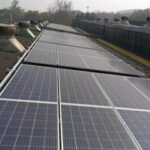
As the solar system runs in conjunction with the Discom power or Grid, the solar power can run virtually all the machines and motors in the factory. Hence, the solar systems have been adopted by heavy load industries including steel, automobiles, textile, pharma, chemicals, furniture, cold storages etc. Think of solar supply as a small pipe connected to a many times large pipe (Discoms’ supply) while feeding the electricity demand of the machines.
As Solar System is never supplying power directly to heavy machine and equipment, there is absolutely no risk to them. Such solar systems are cost effective also as they do not have expensive storage and battery systems.
Suggested Articles

Save on Electricity in Haryana Using Net Metering: A Complete Guide
Learn how to save on electricity in Haryana with net metering. Step-by-step guide on benefits, installation, and cost savings for your home or business

Solar Energy for Petrol Pumps: Benefits, Savings, and Implementation
Petrol pumps can significantly reduce energy costs and carbon footprint by adopting solar power. This guide explains the benefits, types of solar installations, and how fuel stations can leverage renewable energy for sustainable and efficient operations.

End of Rooftop Solar Subsidy for Industrial & Commercial Consumers: What You Need to Know
The rooftop solar subsidy for industrial and commercial consumers is coming to an end. This guide explains the implications for businesses, updated policies, and strategies to adopt solar power without relying on subsidies.

Perovskite: Future of Solar Cells
Discover how solar batteries store excess energy, maximize your solar system’s efficiency, and provide reliable power during outages. Learn about the types, benefits, lifespan, and maintenance tips to make the most of your solar investment.

Introducing the ESS-2000-24V Hybrid Solar Inverter: Smart Power for Modern Homes & Businesses
The ESS-2000-24V Hybrid Solar Inverter delivers intelligent power management for homes and businesses. With advanced solar charging, lithium battery support, and seamless backup, it ensures uninterrupted, efficient, and clean energy for modern users.

Everything You Need to Know About Solar System Earthing
Power factor after solar installation often fluctuates due to system design and load patterns. Learn the key causes, challenges, and solutions for better efficiency.

Yes, I Have Installed an Optimized Solar PV Rooftop System at My Premises
A solar power generating system converts sunlight into electricity for residential, industrial, and commercial use. This blog explains the components, working, and benefits of solar systems, helping you understand how to harness solar energy efficiently and sustainably.

PPA Model Solar for Manufacturing Units: A Complete Guide
The PPA model allows factories to use solar power without any capital investment. Under a Power Purchase Agreement, industries buy clean electricity at a fixed, lower tariff while the solar developer owns, operates, and maintains the plant—making solar adoption simple, risk-free, and cost-effective.