
Solar farms are one of the most efficient ways to generate large amounts of clean energy. They spread across vast areas, capturing sunlight through thousands of solar panels. However, while panels are often the highlight, there’s one silent contributor to costs that most people don’t consider: wiring.
In large solar installations, wiring is not just a connector between panels and equipment; it is the backbone that carries electricity across long distances. Because of this, it can significantly increase the overall cost of installation. Let’s explore why wiring matters so much in solar farms and how it affects your investment.
Why Wiring Matters in Solar Farms
When we think of solar farms, the first thing that comes to mind is rows of panels. But without proper wiring, even the most advanced panels cannot deliver power to the grid. Wires carry the electricity generated from the panels to inverters, transformers, and finally, to the main distribution line.
The longer the wiring, the more chances there are for power losses. That’s why solar farms require specialized, high-quality cables that can handle large current flow without overheating. Poor wiring choices can affect efficiency, safety, and even long-term returns.
In short, wiring is the hidden hero of solar farms, and also the hidden cost driver.
Factors That Drive Up Wiring Costs
Several reasons make wiring in solar farms expensive. Unlike rooftop setups, solar farms deal with much larger scales.
Main factors include:
Long Distances
Panels are spread over acres, so wires must cover large distances, often hundreds of meters.
Thicker Cables
To reduce voltage drops, farms require thick, heavy-duty cables, which cost more.
Quality Standards
Only high-grade cables designed for outdoor use, UV resistance, and durability are allowed.
Installation Costs
Laying cables underground, trenching, and labor add to the expense.
Each of these factors contributes to higher upfront wiring costs compared to smaller solar setups.
Types of Cables Used in Solar Farms
Solar farms don’t rely on one type of cable; they need a mix of different wiring solutions. Each type plays a different role and comes with a different price tag.
Common cables include:
- DC Cables: Connect solar panels to inverters. They must handle fluctuating current from sunlight variations.
- AC Cables: Carry stable power from inverters to transformers and the grid. Usually thicker and more expensive.
- Armored Cables: Provide extra protection when laid underground, safeguarding against rodents, water, and soil pressure.
- Fiber-Optic/Control Cables: Sometimes used for monitoring and controlling system performance.
Every layer of wiring increases safety and reliability, but also increases the project cost.
Efficiency vs. Cost: The Balance of Using Thick Cables
One of the main reasons wiring gets expensive is the need for thicker cables. Thin wires can lead to energy loss, overheating, and long-term damage. But thicker wires cost more — both in material and handling.

This creates a trade-off:
For solar farms, efficiency is everything. Even a small loss across thousands of panels can mean big losses in revenue. That’s why most developers choose thicker, high-grade cables despite the cost. In the long run, this ensures better performance and quicker payback.
Installation Challenges with Long Cables
Installing cables in solar farms is not as simple as connecting a few wires. The process brings its own set of challenges.
Key challenges include:
Transportation
Thick cables are heavy and bulky, requiring special handling.
Bending & Laying
Large cables don’t bend easily and need skilled installation.
Trenching
Many solar farms bury cables underground, adding civil work costs.
Labor
More manpower and time are required to handle the length and weight of the wiring.
These installation hurdles add both time and money to the project timeline.
Strategies to Optimize Wiring Costs
Even though wiring costs are high, smart planning can help reduce the burden without compromising efficiency.
Some strategies include:
Smart Layout Design
Place inverters closer to panels to shorten cable runs.
String vs. Central Inverters
Choosing the right inverter system can reduce the length of wiring needed.
Voltage Optimization
Designing systems to operate at higher voltages reduces current flow, which means thinner cables can sometimes be used.
Bulk Procurement
Buying cables in bulk from reliable suppliers lowers per-unit cost.
Regular Maintenance
Ensuring cables are checked and protected increases their lifespan and avoids replacement costs.
With careful planning, solar farms can strike a balance between cost and performance.
Why Higher Wiring Costs Are Still Worth It
At first glance, wiring costs may feel like a burden. But when you consider the lifetime of a solar farm, investing in quality wiring makes complete sense.
High-quality, well-installed cables mean:
- Reduced energy losses over 20–25 years
- Lower risk of system breakdowns
- Safer operations with minimal fire hazards
- Maximum efficiency from every solar panel
In short, wiring is not just an expense, it’s an investment in long-term savings and energy reliability.
Smart Planning = Smart Savings
Solar farms are changing the way we generate clean power, but wiring is one of the biggest hidden costs in these projects. Thick, long, and durable cables are essential for efficiency and safety, even though they add to the upfront cost.
With smart design, quality materials, and expert installation, these wiring costs can be managed effectively. In the long run, the investment pays off with better performance, lower maintenance, and stronger returns.
At Smart Roof Solar, we specialize in designing and installing solar systems that balance cost and efficiency. Our team ensures that every component, from panels to wiring, is optimized for performance. If you’re planning to go solar, let us help you save smartly while building a greener future.
FAQs
Q1. Are overhead cables cheaper than underground wiring?
Ans: Usually, the overhead cables are cheaper, but underground cables are safer, more durable, and preferred for utility-scale projects.
Q2. Do all solar farms need armored cables?
Ans: Not always, but they’re essential where cables are buried or exposed to rodents, water, or mechanical stress.
Q3. What’s the difference between string and central inverters in terms of wiring?
Ans: String inverters reduce cable runs by decentralizing the system, while central inverters often need longer cable lengths.
Q4. Is it possible to upgrade wiring in an existing solar farm?
Ans: It’s possible, but costly and disruptive; better to invest in quality wiring during initial setup.
Q5. Are there government standards for solar wiring?
Ans: Yes, national and local electrical codes set safety and performance standards that must be

Role of PV Solar Installer in India – Responsibilities, Skills, and Industry Importance
PV solar installers play a critical role in India’s rapidly expanding solar energy sector. From rooftop systems to large-scale industrial projects, skilled installers ensure safe, efficient, and compliant solar plant deployment. This guide explains the responsibilities, technical skills, certifications, and career opportunities for PV solar installers in India, along with their growing importance in supporting the nation’s renewable energy transition.
Can Solar Systems Support Industrial Motors and Machines? A Complete Guide
Discover how using solar for heavy machines can power industrial equipment reliably and cost-effectively for greener operations.

Solar Radiation on a Tilted Surface: Importance & Impact on Solar Output
Solar radiation on a tilted surface directly affects how much energy a solar panel produces. Learn why tilt angle matters and how it impacts solar output.

Solar Site Assessment: Shadow Analysis for Maximum Energy Generation
Shadow analysis is a critical step in solar site assessment. It helps solar installers identify shading obstacles and optimize panel placement for maximum energy generation.
How Quickly Can Solar Panels Pay for Themselves? Payback Period Explained
Learn how the solar panel payback period works, factors that affect ROI, and how soon you can recover your solar investment.
How to Improve Solar Panel Performance for Optimal Energy Output
Performance degradation in solar panels reduces energy output over time. This guide explains how to factor in degradation when calculating annual yields, ensuring accurate estimates for residential, commercial, and industrial solar installations.
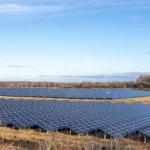
100 kW Solar Plant Cost in Rajasthan: Latest Cost, Maintenance & Payback Time
Installing a 100 kW solar plant in Rajasthan costs around ₹40–60 lakh in, with annual savings up to ₹10–12 lakh. Discover maintenance needs, ROI, and payback period of 4–6 years.

Solar for Food Processing Units: Cost, Benefits, Installation & ROI in India
A complete guide on solar systems for the FMCG industry in India covering installation cost, benefits, ROI, system sizing, and the installation process.