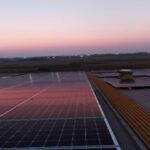
When most people think about solar, they imagine panels that directly power their lights, fans, or even air conditioners. But in reality, solar systems don’t work appliance-by-appliance. They generate electricity measured in kilowatts (kW), which is then fed into your home’s wiring system, just like electricity from the grid. This means you don’t need to match each solar panel to each appliance; the system powers your home as a whole.
A rooftop solar setup comes with panels, an inverter, and sometimes batteries. The panels generate DC power, the inverter converts it to usable AC power, and your appliances simply use it. If your demand is higher than what the solar system generates at that moment, the rest is automatically drawn from the grid.
So instead of asking, “Can solar run my TV, fridge, or AC?” it’s more accurate to ask, “How much energy does my solar system produce daily, and how does that match with my household’s energy needs?”
Top Most Myths
One must know what questions to ask in order to understand the concept and practicality of the situation. Rather than questioning the legitimacy of solar, the consumer often worried about the most common myths. Below are the top 2 most common myths –
1. Solar Systems Can Only Power a Few Appliances
Many people believe solar is too weak to run heavy appliances like ACs or geysers. In truth, the capacity of your solar system determines how much energy it produces. A 10kW solar system can power almost everything in a modern household, from refrigerators to multiple ACs, while a 2kW system can still comfortably handle essentials like fans, lights, and a TV.
2. You Need to Calculate Appliance Count Before Going Solar
Another myth is that you need to count every appliance and match it with the number of solar panels. Solar works differently; it’s not about running a fixed number of gadgets but about meeting your total daily electricity consumption. For example, if your home uses around 15-20 units of power daily, a 5kW system can handle it without you needing to tally every bulb or fan.
What Does a 2kW / 5kW / 10kW Solar System Actually Mean?
2kW System: Generates about 8-10 units of electricity per day. Suitable for a small home or apartment with basic needs like lights, fans, 1 TV, a fridge, and laptop/charging usage.
5kW System: Generates about 20-25 units daily. Ideal for a medium household with 2–3 bedrooms, multiple fans, TVs, 1-2 refrigerators, and occasional AC use.
10kW System: Generates about 40-50 units daily. Perfect for larger homes, villas, or joint families where multiple ACs, washing machines, geysers, and kitchen appliances are used regularly.
So, instead of seeing them as “appliance systems,” think of them as energy generation systems. The bigger the kW, the more power you produce daily.
How Many Appliances Can Run on a 2kW/5kW/10kW Solar System Setup on Rooftops?
Realistic Examples: Energy Usage Scenarios
Let’s look at how this plays out in real life:
2kW System Household
- 6-8 LED lights
- 3-4 ceiling fans
- 1 refrigerator
- 1 TV
- Laptop/charging points
(Enough for a nuclear family with modest needs)
5kW System Household
- 12-15 LED lights
- 6-8 ceiling fans
- 2 refrigerators
- 2 TVs + laptop/desktop
- 1 AC for a few hours daily
- Washing machine and kitchen appliances
10kW System Household
- 20+ lights, 10+ fans
- 2-3 ACs running daily
- 2-3 refrigerators + geysers
- Washing machine, dishwasher, microwave, and other heavy loads
Easily runs a large family or even a small office setup
These scenarios show how solar scales with your lifestyle – it’s not “one-size-fits-all.”
What If You Want Power During the Night or Outages?
Solar panels only generate electricity when the sun is out. At night or during outages, you won’t get power unless you have a battery backup system or a hybrid setup that stores extra daytime power.
With batteries, excess solar energy is stored and can be used later. And without batteries, you’ll still be connected to the grid and draw power when solar isn’t enough. For areas with frequent power cuts, adding a hybrid solar system is a smart choice.
The option for net metering is also a profitable choice. With net metering, not only can the consumer draw back their generated energy, they can also earn credits at the end of the year, if the amount of generated energy is more than the amount of energy consumed.
Here is our detailed blog link for understanding net metering better – Learning About Net-Metering In Depth – Smart Roof Solar
So if running appliances during the night is important for you, consider investing in batteries, but remember, this increases costs.
Why Appliance Count is Misleading: The Bigger Picture
Asking “How many fans can my solar run?” is like asking “How many appliances can my electricity meter run?” The real question is about total consumption versus generation.
A 2kW solar system won’t stop you from running an AC, but running it daily may mean you rely more on the grid.
A 10kW system doesn’t “limit” the number of appliances; it just ensures your generation is high enough to cover them.
The focus should be on daily energy usage, not individual appliance counts.
This shift in perspective helps homeowners plan more realistically and avoid disappointment.
Conclusion
Solar systems are not about counting appliances but about balancing your daily electricity demand with your solar generation capacity.
- 2kW – great for small families with basic needs.
- 5kW – suits medium households with moderate usage.
- 10kW – perfect for large families or energy-intensive homes.
If you’re considering rooftop solar, don’t get stuck on myths about what “can or cannot run.” Instead, focus on your monthly bill, lifestyle, and future energy needs, and size your solar system accordingly.
With Smart Roof Solar, you can easily switch to solar and start saving immediately. We are experts in seamlessly integrating solar management, from initial setup to long-term maintenance. With our decade-long experience in C&I, we are now expanding our residential reach. Connect with us to know our costs and go solar and environmentally green.
FAQs
Q1. What happens to solar panels at the end of their life?
Ans: Panels are recyclable, though recycling infrastructure in India is still developing.
Q2. Can I run ACs or geysers on solar?
Ans: Yes, you can. A 5kW or 10kW system can comfortably handle heavy loads like ACs and geysers. The only factor is how many hours you run them; more usage means you’ll need a bigger solar system to cover the demand.
Q3. What is the lifespan of a solar panel system?
Ans: Panels last 25–30 years; inverters may need replacement every 8-12 years.
Q4. Can I increase the size of my solar system later?
Ans: Yes, many systems are expandable, but it’s best to plan for scalability during initial setup.
Q5. Can I monitor my solar system’s performance remotely?
Ans: Yes, most modern inverters come with apps or dashboards to track generation, usage, and savings in real time. At Smart Roof Solar, our SolarMax platform provides performance monitoring and proactive support.