Sir! Solar Mein Itna Chalta Hai!” When to Reject a Site: The Truth About Shadow Analysis
Site Assessment & Shadow Analysis – An important step before Rooftop Solar PV Installation.
According to MNRE, approximate 10 sq. meters “Shadow Free” area is required for 1 kWp Rooftop Solar PV Installation. The term “Shadow Free” is very important and in this blog we will be discussing about “Site Assessment and Shadow Analysis for Rooftop Solar PV Installation”.
Shadow is one of the factors that will affect the performance of Solar PV system.
Your Solar PV System Array should be designed such that Shadow will not fall on the Solar PV Panels. Shadow can be from parapet walls, tanks, structures, trees, inter row shadow and other objects.
There are many objects , like parapet walls, water tanks , O/D units of AC’s, Dish of antennas, Mummty etc. which can cause shadow. As, shown in the picture above, the objects that are situated at the South Direction of the building will cause shadow on the Solar PV System. So, the system should be designed such that it avoids the shadow of these objects.
Ideally, Solar PV Rooftop System should be designed such that no shadow falls on array, on the day with longest shadow (i.e. usually from 9am to 3pm, on December 21 in Northern Hemisphere). For Shadow analysis from nearby objects and inter rows of solar array, “Solar Path Finder” should be used at the time of Site Assessment.
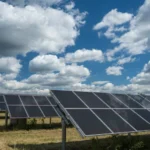
The thumb rule says, that we should leave at least 1.5 to 2 times the Height of object (placed in South of the building), to avoid the Shadow effect on the PV modules. The same goes with Inter Row Spacing of the Solar PV Array, at least 1.5 to 2 times the Height of the Structure should be left in between the two rows, to avoid the Shadow effect.
Now all you need is to cross check the layout design of the Rooftop Solar PV System, as provided by the installer or need to clarify this with the installer, that what distance they had left to reduce the losses due to shadow.
If it is less than 1.5 to 2 times the Object Height, and if he says “Sir! Solar Mein Itna Chalta Hai!!”, then you surely needs to change your installer.
We’ll be talking on more such issues in our future blogs.
Suggested Articles

India Solar Energy Policies: Key Updates and Government Initiatives
India is one of the leading countries in terms of solar energy development, having become the fastest-growing market for solar power globally.

Solar for Commercial Buildings in India: Costs, Benefits & ROI Explained
Solar for commercial buildings in India is becoming the smartest way to cut electricity bills and increase energy independence. This guide explains system costs, benefits, ROI, and how solar power helps offices, malls, hotels, and commercial complexes become more sustainable and profitable.

Everything You Should Know About Solar Batteries
Discover how solar batteries store excess energy, maximize your solar system’s efficiency, and provide reliable power during outages. Learn about the types, benefits, lifespan, and maintenance tips to make the most of your solar investment.

1 MW Solar Power Plant Cost in Madhya Pradesh | A Complete Industrial Solar Guide
A detailed guide on the cost of setting up a 1 MW solar power plant in Madhya Pradesh. Learn about pricing, EPC components, land requirements, subsidies, and expected payback for commercial and industrial users.

Higher Electricity Bills in Haryana as Fuel Surcharge Rises
Haryana consumers are facing higher electricity bills after the Haryana Electricity Regulatory Commission (HERC) approved a fuel surcharge hike for DHBVN and UHBVN areas. The increase reflects rising fuel and power purchase costs, directly impacting domestic, commercial, and industrial users across the state.

Complete Guide To 100 kW Solar Setup Cost And Benefits In Uttar Pradesh
Planning to install a 100 kW solar power plant in Uttar Pradesh? This guide covers everything — from installation costs and available subsidies to long-term savings and payback time. Learn how investing in solar can reduce your electricity expenses and support a sustainable energy future for your business.

How to Fetch the BOM of a Solar PV System from Design Documents: Step-by-Step Guide for Installers & EPCs
Learn how to prepare a detailed Bill of Material (BOM) for solar PV systems using design documents like SLDs and layouts. This step-by-step guide helps installers ensure accurate material planning, reduce errors, and improve project execution.

How to Clean and Maintain Solar Power System for Maximum Efficiency
Regular cleaning of your solar power system is essential to maintain maximum efficiency and energy output. Dust, bird droppings, and pollution can reduce performance by up to 20%. This blog explains the right cleaning methods, schedules, and safety tips for residential, industrial, and commercial solar systems.