
The rapid adoption of solar photovoltaic (PV) technology has transformed the global energy landscape, making renewable solar one of the fastest-growing sources of clean electricity. From residential rooftop installations to commercial complexes, industrial facilities, and utility-scale solar farms, solar PV systems are helping reduce dependence on conventional energy sources while supporting a sustainable future. However, despite their environmental and economic benefits, solar PV systems present a variety of occupational safety hazards that must be identified and effectively mitigated throughout the project lifecycle.
Every stage of a solar project, including site assessment, design, installation, commissioning, testing, operation, maintenance, troubleshooting, and decommissioning, introduces potential hazards. Workers may encounter electrical shock, arc flash, falls from height, fire hazards, battery-related risks, adverse weather conditions, manual handling injuries, and equipment failures. If these hazards are not identified and controlled, they can lead to serious injuries, damage to expensive equipment, project delays, environmental harm, and interruptions in solar electricity generation.
Hazard identification is the systematic process of recognizing potential sources of harm before work begins, while hazard mitigation involves implementing appropriate control measures to eliminate or minimize risks. Together, these processes form the foundation of an effective workplace safety management system. Organizations that proactively identify hazards and implement preventive measures create safer working environments, improve operational efficiency, reduce maintenance costs, and enhance the long-term reliability of solar electricity systems.
Effective hazard management requires participation from everyone involved in a solar project, including installers, engineers, supervisors, Health, Safety, and Environment (HSE) personnel, project managers, contractors, and Operations & Maintenance (O&M) teams. Through regular inspections, risk assessments, proper training, use of Personal Protective Equipment (PPE), adherence to Lockout/Tagout (LOTO) procedures, and continuous monitoring, organizations can significantly reduce workplace risks.
Identifying hazards and implementing appropriate mitigation measures are fundamental responsibilities for all professionals involved in solar PV installation, testing, commissioning, operation, and maintenance.
This comprehensive guide explains the principles of hazard identification, common safety hazards in solar PV systems, mitigation strategies, documentation requirements, and industry best practices.
What Is Hazard Identification?
Hazard identification is the systematic process of recognizing anything that has the potential to cause injury, illness, equipment damage, environmental harm, or operational disruption.
Hazards should be identified:
- Before work begins
- During routine inspections
- Following workplace changes
- After incidents or near misses
- During maintenance activities
Early identification allows preventive measures to be implemented before accidents occur.
What Is Hazard Mitigation?
Hazard mitigation involves implementing control measures that eliminate or reduce identified risks to an acceptable level.
Mitigation strategies may include:
- Engineering controls
- Administrative controls
- Safe work procedures
- PPE
- Training
- Equipment maintenance
- Emergency preparedness
The goal is to create a safer work environment while maintaining efficient project execution.
Why Is Hazard Identification Important?
Proper hazard identification helps:
- Prevent workplace accidents
- Protect employees and contractors
- Reduce equipment damage
- Improve work quality
- Ensure legal compliance
- Reduce project delays
- Improve solar electricity generation
- Lower maintenance costs
It also contributes to optimizing the long-term solar panel system cost.
Common Safety Hazards in Solar PV Systems
1. Electrical Hazards
Electrical hazards include:
- Electric shock
- Arc flash
- Arc blast
- Exposed conductors
- Incorrect polarity
- Damaged insulation
PV modules generate electricity whenever exposed to sunlight, making electrical safety particularly important.
Mitigation Measures
- Follow Lockout/Tagout (LOTO) procedures where applicable.
- Verify absence of hazardous voltage.
- Use insulated tools.
- Wear electrical PPE.
- Test circuits before touching conductors.
2. Working at Heights
Rooftop installations present fall hazards due to:
- Roof edges
- Slippery surfaces
- Improper ladder use
- Unsecured scaffolding
Mitigation Measures
- Use certified fall protection systems.
- Secure ladders properly.
- Install guardrails where required.
- Inspect anchor points.
- Avoid working during strong winds.
3. Fire Hazards
Potential fire sources include:
- Loose electrical connections
- Overloaded circuits
- Faulty equipment
- Battery failures
- Arc faults
Mitigation Measures
- Tighten electrical connections.
- Conduct thermal inspections.
- Install fire extinguishers.
- Maintain proper cable management.
- Replace damaged components promptly.
4. Battery Hazards
Battery systems may present:
- Chemical exposure
- Electrolyte leakage
- Hydrogen gas accumulation
- Thermal runaway
- Explosion hazards
Mitigation Measures
- Ensure proper ventilation.
- Wear chemical-resistant PPE.
- Inspect batteries regularly.
- Follow manufacturer handling guidelines.
- Install spill containment systems where necessary.
5. Manual Handling Hazards
Solar modules, batteries, and mounting structures are often heavy.
Mitigation Measures
- Use proper lifting techniques.
- Employ lifting equipment when necessary.
- Work in teams.
- Avoid excessive manual loads.
6. Environmental Hazards
Outdoor work may expose workers to:
- Heat stress
- Lightning
- Rain
- High winds
- UV radiation
Mitigation Measures
- Monitor weather forecasts.
- Suspend work during storms.
- Stay hydrated.
- Schedule work during cooler hours where possible.
- Use sun protection.
7. Mechanical Hazards
Mechanical hazards include:
- Sharp metal edges
- Rotating machinery
- Pinch points
- Moving equipment
Mitigation Measures
- Wear cut-resistant gloves.
- Use machine guards.
- Maintain safe distances.
- Follow equipment operating procedures.
8. Slip, Trip, and Fall Hazards
Common causes include:
- Loose cables
- Debris
- Wet surfaces
- Poor housekeeping
Mitigation Measures
- Keep work areas clean.
- Organize cables.
- Remove unnecessary materials.
- Maintain clear walkways.
The Hazard Identification Process
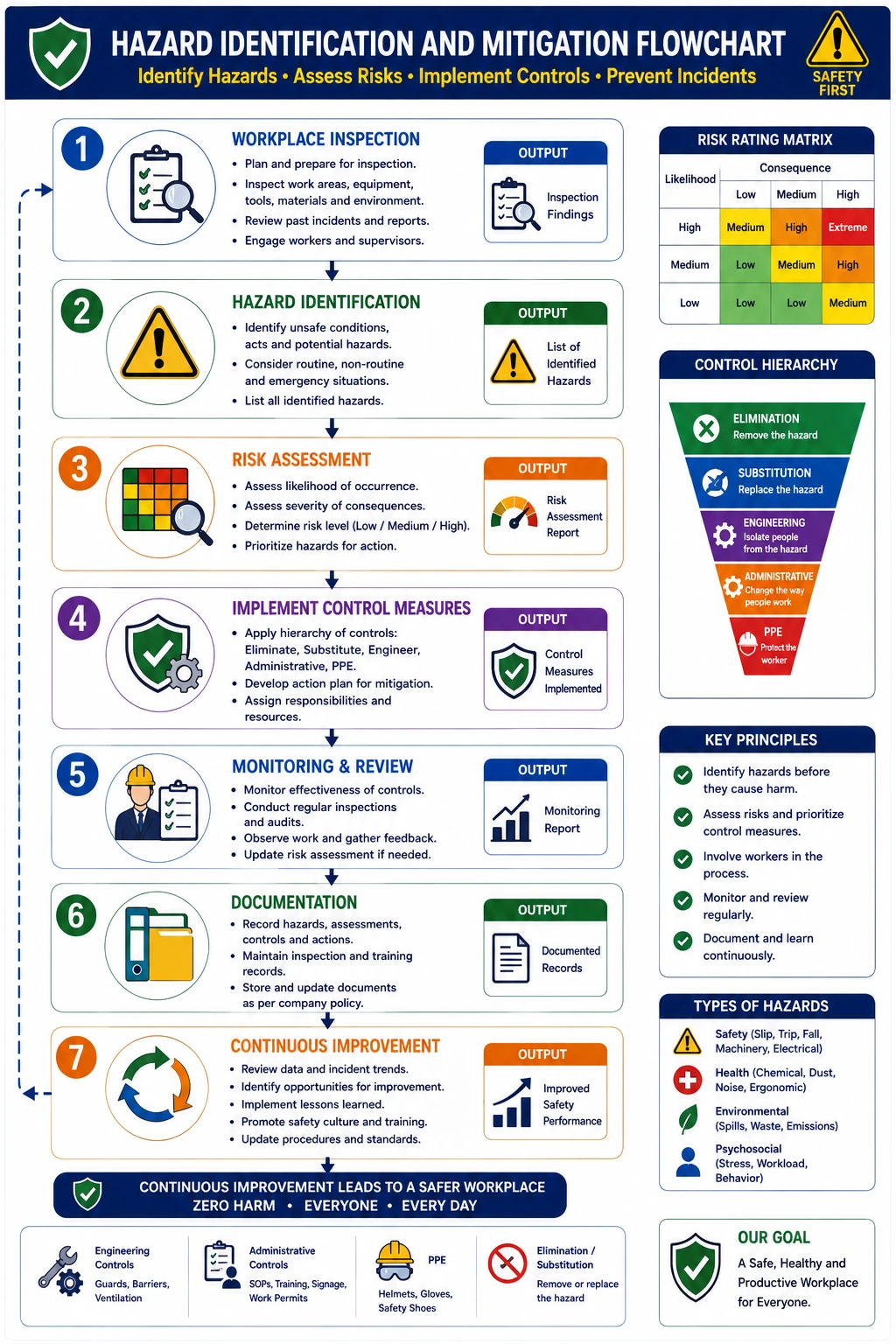
A systematic process includes:
Step 1 – Inspect the Work Area
Identify visible hazards before work begins.
Step 2 – Assess Risks
Evaluate:
- Likelihood
- Severity
- Potential consequences
Step 3 – Implement Control Measures
Apply appropriate engineering, administrative, and PPE controls.
Step 4 – Monitor Workplace Conditions
Continuously monitor hazards during work activities.
Step 5 – Review and Improve
Review safety performance after completing the work.
Hierarchy of Hazard Controls
Hazards should be controlled using the following hierarchy:
- Elimination – Remove the hazard entirely.
- Substitution – Replace the hazard with a safer alternative.
- Engineering Controls – Isolate people from hazards.
- Administrative Controls – Develop safe work procedures and training.
- Personal Protective Equipment (PPE) – Protect workers when other controls cannot fully eliminate the risk.
Organizations should prioritize higher-level controls whenever feasible.
Conclusion
Identifying and mitigating safety hazards is a fundamental responsibility throughout the lifecycle of every solar PV project. From initial site assessments and installation to commissioning, operation, maintenance, and troubleshooting, recognizing workplace hazards and implementing effective control measures protects workers, preserves valuable equipment, minimizes operational disruptions, and ensures safe project execution. A systematic approach that combines hazard identification, risk assessment, engineering controls, administrative procedures, PPE, and continuous monitoring creates a safer and more productive work environment.
Hazard identification and risk mitigation should be integrated into every solar PV activity through proper planning, regular inspections, employee training, and adherence to approved safety procedures. Additionally, organizations should align their workplace safety programs with the guidance of the Ministry of New and Renewable Energy, applicable occupational safety regulations, manufacturer recommendations, and recognized electrical standards to ensure safe, compliant, and efficient operations.
By fostering a proactive safety culture, maintaining comprehensive documentation, conducting routine risk assessments, implementing effective mitigation measures, and continuously improving workplace safety practices, solar professionals can optimize solar panel system cost, enhance renewable solar system reliability, maximize solar electricity generation, reduce the cost of solar per kWh installed, lower the solar installation cost per kWh, and support the sustainable growth of renewable energy and solar energy across residential, commercial, industrial, and utility-scale solar projects.
FAQs
Q1. What is hazard identification in solar PV systems?
Ans: Hazard identification is the process of recognizing potential sources of harm, such as electrical hazards, fall risks, fire hazards, battery hazards, or unsafe working conditions, before they lead to accidents or equipment damage.
Q2. Why is hazard mitigation important during solar PV installation and maintenance?
Ans: Hazard mitigation reduces the likelihood and severity of workplace incidents by implementing appropriate control measures, improving worker safety, protecting equipment, and ensuring reliable system operation.
Q3. What are the most common hazards in solar PV projects?
Ans: Common hazards include electric shock, arc flash, falls from height, battery chemical exposure, fire hazards, manual handling injuries, adverse weather conditions, mechanical hazards, and slip or trip hazards.
Q4. What is the hierarchy of hazard controls?
Ans: The hierarchy of hazard controls prioritizes risk reduction through elimination, substitution, engineering controls, administrative controls, and finally the use of Personal Protective Equipment (PPE) when other controls cannot completely eliminate the hazard.
Q5. How does effective hazard identification improve solar project performance?
Ans: Identifying and mitigating hazards early helps prevent accidents, reduce equipment failures, improve installation quality, minimize downtime, enhance solar electricity generation, and increase the long-term reliability of renewable solar systems.
PPE Checklist for Solar Installations: Safety Gear Guide
A complete PPE checklist for solar installations covering essential safety gear required for safe and efficient on-site work.

Difference Between Single-Phase and Three-Phase Voltage and Its Use for Solar PV Installer – Complete Guide
Understanding the difference between single-phase and three-phase voltage is essential for solar PV installers. While single-phase supply is common in residential systems, three-phase power is widely used in commercial and industrial solar projects. This complete guide explains electrical phase differences, applications in solar installations, and how choosing the right phase connection impacts system efficiency, safety, and performance.
How to Check Battery Location for Solar PV Systems
A complete guide to solar PV battery location assessment, helping installers select safe and efficient locations for battery storage systems.
Introducing the ESS-2000-24V Hybrid Solar Inverter: Smart Power for Modern Homes & Businesses
The ESS-2000-24V Hybrid Solar Inverter delivers intelligent power management for homes and businesses. With advanced solar charging, lithium battery support, and seamless backup, it ensures uninterrupted, efficient, and clean energy for modern users.

Fire Hazard in a Solar Setup at Rice Mill, Kaithal – Case Study and Safety Insights
A recent fire incident at a rice mill in Kaithal highlights the critical importance of safety in solar installations. This case study analyzes the root causes, system faults, and preventive actions that can help industries avoid similar hazards in their solar setups.
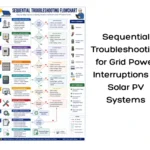
Fuses & Circuit Breakers Inspection Guide for Solar PV Systems
A complete guide to inspecting fuses and circuit breakers in solar PV systems, including testing methods, fault identification, preventive maintenance, and safety checks for reliable system operation.
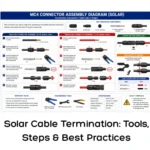
Solar Cable Termination: Tools, Steps & Best Practices
A complete guide to cable continuity testing in solar installations, including testing procedures, tools, and safety best practices.
Solar for Pharma & Chemical Industries: Cost, Benefits, Installation & ROI in India
A complete guide on solar systems for the FMCG industry in India covering installation cost, benefits, ROI, system sizing, and the installation process.