India and IMT-GT JBC Sign MoU to Boost Energy Efficiency in Southeast Asia
India Energy Efficiency MoU with IMT-GT JBC aims to boost clean energy collaboration, drive sustainability, and promote regional green growth in Southeast Asia.
The first meeting of the G20 Energy Transitions Working Group was held in Bengaluru, India, and was a success, with participants sharing a consensus on the priority areas of energy security and diversified supply chains. The Secretary of Power, Alok Kumar, spoke to media members and explained that while the countries agreed on the importance of energy security, each country’s energy transition pathway would differ depending on its energy base and potential.
Despite this, there was a clear understanding that fossil fuels would continue to play a role in energy production in most countries for the next 15 to 20 years as the share of renewable energy grows. The Secretary also spoke about grid interconnections, such as the “One Sun, One World, One Grid” initiative promoted by India, which could lead to better utilization of available energy sources.
The meeting also discussed the need for energy efficiency in industries and universal access to clean energy. The Secretary explained that there was a shared belief that fuel prices and technology choices should be managed in order to provide affordable energy for everyone. The delegates praised India for its successful implementation of schemes such as Soubhagya, Ujala, and Ujjwal, which have led to complete access to electricity, clean cooking, and efficient lighting.
Additionally, India signed a Memorandum of Understanding (MoU) with the Indonesia-Malaysia-Thailand Growth Triangle Joint Business Council (IMT-GT JBC) in Malaysia to further promote energy efficiency and sustainable practices in the region. Energy Efficiency Services Limited (EESL), a public sector undertaking under the Ministry of Power, signed the MoU with IMT-GT JBC Malaysia.
As part of this partnership, EESL will provide technical advisory, project management support, contracting, and implementation support to execute select energy efficiency programs that have a proven track record of success. The next meeting of the G20 Energy Transitions Working Group is set to take place in the first week of April in Gandhinagar, Gujarat.
Suggested Articles

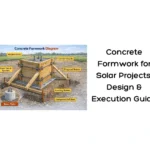
Concrete Formwork for Solar Projects: Design & Execution Guide
A practical guide to concrete formwork in solar projects, covering how to construct forms as per design specifications for accurate and durable foundations.
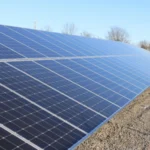
Solar for Food Processing Units: Cost, Benefits, Installation & ROI in India
A complete guide on solar systems for the FMCG industry in India covering installation cost, benefits, ROI, system sizing, and the installation process.
Safe Handling of Solar PV Components: Complete Guide for EPC & Installers
Proper material handling is crucial in solar PV projects to avoid damage, reduce losses, and ensure safety. This guide covers best practices for transporting, storing, and installing solar components efficiently.
Single Line Diagram (SLD) in Solar PV Systems: Complete Guide to Design, Symbols & Reading
Learn how to fetch a Bill of Material (BOM) for a solar PV system directly from design documents like SLD, layout, and GA drawings. This step-by-step guide helps installers and EPCs ensure accurate material estimation and efficient project execution.
Workplace Safety Violations in Solar PV Projects
A complete guide to establishing and following safe work procedures in solar PV systems, ensuring worker safety during installation, testing, commissioning, operation, and maintenance.
Data Acquisition System Calibration in Solar PV Plants
A complete guide to solar PV data acquisition system calibration, ensuring accurate monitoring, reliable data collection, and effective performance analysis.
Inspection Reporting and Corrective Actions
A complete guide to preparing solar PV inspection reports and implementing corrective actions to ensure quality, compliance, and project performance.
Hazard Mitigation Measures for Solar PV Systems
A complete guide to mitigation measures after hazards occur in solar PV systems, covering emergency response, hazard control, incident reporting, corrective actions, and follow-up inspections.