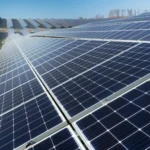
India and IMT-GT JBC Sign MoU to Boost Energy Efficiency in Southeast Asia
India Energy Efficiency MoU with IMT-GT JBC aims to boost clean energy collaboration, drive sustainability, and promote regional green growth in Southeast Asia.
The first meeting of the G20 Energy Transitions Working Group was held in Bengaluru, India, and was a success, with participants sharing a consensus on the priority areas of energy security and diversified supply chains. The Secretary of Power, Alok Kumar, spoke to media members and explained that while the countries agreed on the importance of energy security, each country’s energy transition pathway would differ depending on its energy base and potential.
Despite this, there was a clear understanding that fossil fuels would continue to play a role in energy production in most countries for the next 15 to 20 years as the share of renewable energy grows. The Secretary also spoke about grid interconnections, such as the “One Sun, One World, One Grid” initiative promoted by India, which could lead to better utilization of available energy sources.
The meeting also discussed the need for energy efficiency in industries and universal access to clean energy. The Secretary explained that there was a shared belief that fuel prices and technology choices should be managed in order to provide affordable energy for everyone. The delegates praised India for its successful implementation of schemes such as Soubhagya, Ujala, and Ujjwal, which have led to complete access to electricity, clean cooking, and efficient lighting.
Additionally, India signed a Memorandum of Understanding (MoU) with the Indonesia-Malaysia-Thailand Growth Triangle Joint Business Council (IMT-GT JBC) in Malaysia to further promote energy efficiency and sustainable practices in the region. Energy Efficiency Services Limited (EESL), a public sector undertaking under the Ministry of Power, signed the MoU with IMT-GT JBC Malaysia.
As part of this partnership, EESL will provide technical advisory, project management support, contracting, and implementation support to execute select energy efficiency programs that have a proven track record of success. The next meeting of the G20 Energy Transitions Working Group is set to take place in the first week of April in Gandhinagar, Gujarat.
Suggested Articles

Solar Farm Development: Overcoming the Rising Challenge of Wiring Costs
Wiring costs are soaring in solar farms, affecting project budgets and timelines. Learn why infrastructure is becoming a key challenge.
Solar Energy for Industries Explained: Everything You Need to Know
Solar energy can greatly benefit industrial and factory owners as they require a constant and substantial source of electricity 24/7.

Commercial Solar Power Plant Subsidy in India: What Businesses Need to Know
Businesses in India can reduce their solar installation costs through various MNRE-backed subsidies and state incentives. Learn eligibility, benefits, and the application process for commercial solar plants.

Importance of MPPT in Solar System: Maximizing Solar Power Efficiency
MPPT plays a crucial role in solar systems by extracting maximum power from panels under varying conditions. Learn how MPPT improves efficiency, performance, and savings.

Workmanship Inspection and Tool Proficiency in Solar PV Projects
A complete guide to solar PV workmanship and tool proficiency, helping installers maintain quality standards and demonstrate technical competency.

Electrical Equipment Bonding in Solar PV Systems
A complete guide to electrical equipment bonding in solar PV systems, including anti-oxidant application, compliance requirements, and safety best practices.

How Quickly Can Solar Panels Pay for Themselves? Payback Period Explained
Learn how the solar panel payback period works, factors that affect ROI, and how soon you can recover your solar investment.

How MPPT Works in an Inverter: A Simple Guide for Solar Users
This simple guide explains how MPPT works in a solar inverter, helping users understand how it maximizes power output and improves system efficiency.