When installing a solar power system, most people focus on solar panels and their wattage. However, one small but extremely important component that decides how much power you actually get is MPPT. MPPT plays a major role in improving solar efficiency and reducing energy losses, especially in real-world conditions.
In this blog, we’ll explain why MPPT is important in a solar system, how it improves performance, and why it directly impacts solar electricity generation, solar installation cost per kWh, and long-term savings.
What is MPPT in Solar and Why is it Used?
MPPT stands for Maximum Power Point Tracking. It is a smart technology used inside solar inverters and charge controllers to extract the maximum possible power from solar panels at any given moment.
Solar panels do not produce constant voltage or current throughout the day. MPPT in solar continuously adjusts the operating point of the panels so that they deliver the highest power output, even when sunlight conditions change.
Without MPPT, a solar system may lose 15-30% of potential energy, increasing the total cost of solar installation over time.
Why MPPT is Critical for Solar Performance
MPPT ensures that your solar panels operate at their most efficient voltage and current combination. This directly improves energy generation without adding extra panels.
Key reasons MPPT in solar is important:
- Sunlight intensity changes throughout the day
- Panel temperature affects voltage
- Partial shading reduces output
- Dust and weather conditions vary
MPPT dynamically compensates for these factors, helping you get the most out of your solar panel in a rooftop or ground-mounted system.
How MPPT in Solar Improves Solar Electricity Generation
MPPT improves solar electricity output by continuously tracking the maximum power point of the PV array. This ensures:
- Higher daily energy generation (kWh)
- Better performance in morning and evening hours
- Improved output during cloudy conditions
This makes MPPT especially important for systems where the solar energy installation cost needs to be recovered quickly through savings.
For homes and industries alike, MPPT helps make solar energy economical.
MPPT vs Non-MPPT Systems
Solar systems without MPPT usually operate at fixed voltage levels. This leads to a power mismatch between the solar panel and the inverter.
Without MPPT in solar:
- Lower efficiency
- Higher energy loss
- Slower ROI
- Higher cost of solar per kWh installed
With MPPT in solar:
- 20-30% higher energy yield
- Faster payback period
- Better utilization of solar panels
- Optimized solar panel system cost
This difference becomes even more noticeable in larger plants and commercial setups.
Importance of MPPT for Rooftop Solar Systems
For residential systems, MPPT is crucial because rooftops often face:
- Partial shading from nearby buildings
- Limited roof space
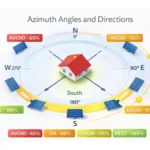
- Fixed panel orientation
MPPT in solar ensures maximum output even when panel conditions are not ideal. This helps reduce home roof solar panels cost per unit of electricity generated.
It also improves compatibility with government solar subsidy scheme installations by maximizing generation from limited capacity.
Importance of MPPT in Commercial & Industrial Solar Plants
In large commercial and industrial systems, even small efficiency losses can result in huge revenue losses.
MPPT in solar helps:
- Optimize power output from large PV arrays
- Improve financial returns
- Reduce operational losses
- Enhance plant reliability
This makes MPPT essential for industries investing in renewable energy technology and large-scale renewable solar projects.
MPPT in Solar and its Impact on System Cost
While MPPT-based inverters may have a slightly higher upfront price, they significantly reduce:
- Energy losses
- Payback period
- Long-term operating costs
This results in a lower average cost of solar panels on a house or industrial facility over the system’s lifetime.
MPPT ensures that every rupee spent on the solar module price per watt delivers maximum value.
MPPT and Different Voltage Systems
MPPT works efficiently with both 12V and 24V solar systems, automatically adjusting input voltage to match battery banks or grid requirements.
This flexibility allows better system design, improved safety, and higher energy utilization in both off-grid and hybrid setups.
Why MPPT in Solar is Essential for Long-Term Solar Savings
- Solar systems are long-term investments. MPPT ensures:
- Consistent performance over the years
- Reduced degradation impact
- Higher lifetime energy yield
This directly improves the return on investment and strengthens the case for solar energy for home use as well as industrial adoption.
Conclusion: MPPT Maximizes the True Value of Solar Energy
MPPT is not just a feature; it is the backbone of an efficient solar system. It ensures maximum power extraction, improves reliability, and reduces the overall solar roof installation cost per unit of electricity.
Whether you are planning a residential system or a large commercial plant, choosing MPPT-based technology ensures better savings, faster ROI, and higher solar electricity generation.
At Smart Roof Solar, we design and install solar systems using advanced MPPT-based inverters to help customers get the maximum value from their renewable energy and solar energy investments.
FAQs
Q1. Does MPPT increase solar panel lifespan?
Ans: Indirectly, yes, because optimized operation reduces electrical stress and overheating over time.
Q2. Is MPPT useful in regions with high temperatures?
Ans: Absolutely, MPPT compensates for voltage drops caused by heat, maintaining higher energy output.
Q3. What is the difference between single MPPT and multiple MPPT inverters?
Ans: Multiple MPPTs allow different panel strings to operate independently, improving output in complex layouts.
Q4. Is MPPT necessary for battery-based solar systems?
Ans: Yes, MPPT improves battery charging efficiency and prevents underutilization of solar power.
Q5. Is MPPT maintenance-intensive?
Ans: No, MPPT operates automatically and does not require additional maintenance.