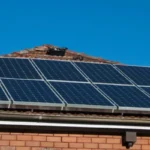
How DISCOMs Implement Net Metering for Solar Power Plants
Net metering is a critical dimension on the early and effective implementation of net metering depends on the success of the grid-connected solar rooftop program. SERCs of 19 States/UTs have notified regulations for implementation of net metering /feed-in-tariff mechanism, namely, Andhra Pradesh, Chhattisgarh, Delhi, Haryana, Karnataka, Kerala, Tamil Nadu, Uttarakhand and West Bengal, Andaman & Nicobar, Chandigarh, Dadra & Nagar Haveli, Daman & Diu, Lakshadweep, Pondicherry, Goa, UP, Rajasthan and Odisha. However, implementation of net metering has so far been tardy which is impeding project development and deployment.
The following issues require urgent attention and action on the part of the discoms to expedite installations:
Applications –
Simplification of process with time-lines for inviting, processing and time-bound approval of applications, and registration of applicants.
Metering –
Bidirectional net meters capable of recording both export and import of electricity should be procured in bulk, tested and provided by the discoms with cost to be borne by consumers, if necessary; alternatively, clear specifications need to be provided by the discoms, with list of approved suppliers alongwith price, in case they are to be procured by the consumers; to be followed by time-bound approval of installation and connectivity.
Distribution Transformers –
The installation is required to be connected to a distribution transformer of the discom; limits are to be prescribed by the discom for the capacity of the installations to be connected as per the rated capacity of the concerned distribution transformer; the discoms should publicise a list of distribution transformers alongwith permissible capacity of installations that can be connected to each transformer.
Standards –
The discoms need to ensure that relevant CEA Regulations and Standards on Inter-connectivity and Safety are followed and should provide time-bound clearance.
Billing and Accounting –
Necessary procedures and mechanisms with associated software need to be put in place by each discom for billing and accounting of electricity (consumed/exported/imported/surplus carry forward) of the consumers having rooftop installations set up under different implementation modes.
Discoms should create dedicated Cells within their set-up to provide single-point facility to installers and consumers relating to all aspects of implementation of net metering in their respective service areas. Training of discom officials could also be organized on technical and accounting aspects. Consumer awareness about solar rooftop, in general, and net metering, in particular, is another area that can be looked at.
Suggested Articles

EIB Green Hydrogen India: €1 Billion Investment to Boost Clean Energy Transition
The European Investment Bank (EIB), the bank of the European Union, has joined forces with the India Hydrogen Alliance (IH2A) to increase support for the development of green hydrogen projects across India.
Solar Power Output Checks: Dust, Shade & Performance Guide
A complete guide to identifying and preventing factors such as dust, shade, dirt, and debris that interrupt solar power output and reduce PV system efficiency.
Electrical Hazards in Solar PV Systems Guide
A complete guide to identifying electrical hazards in solar PV systems, covering shock, arc flash, DC voltage, wiring, grounding, and electrical fire risks.
Electrical Wiring Requirements Before Installing a Solar Power System
Before designing a solar power system, assessing the building’s electrical wiring is essential. Proper inspection ensures the wiring can safely handle solar power integration, prevents electrical risks, and improves overall system efficiency.
Best Solar Panels for Rooftop Projects: How to Choose the Right One
Selecting the right solar panel is crucial for rooftop project success. This guide explains how to evaluate panel types, efficiency, warranties, and performance to ensure maximum power output and long-term savings for your home or business.
Can Solar Systems Support Industrial Motors and Machines? A Complete Guide
Discover how using solar for heavy machines can power industrial equipment reliably and cost-effectively for greener operations.
Top Industrial Solar EPC: How to Choose the Right Solar EPC Company for Industries in India
Choosing the right industrial solar EPC is critical for plant performance and ROI. This guide explains how Indian industries can select the best solar EPC partner.
UP Electricity Tariff Increase 2015-16: Rates Rise by Rs 0.40–1.00 per Unit – What Consumers need to know
Uttar Pradesh has increased electricity tariffs for 2015-16, ranging from Rs 0.40 to 1.00 per unit. This update explains the revised rates, the sectors affected, and what consumers need to know about the tariff hike.