
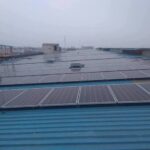
How DISCOMs Implement Net Metering for Solar Power Plants
Net metering is a critical dimension on the early and effective implementation of net metering depends on the success of the grid-connected solar rooftop program. SERCs of 19 States/UTs have notified regulations for implementation of net metering /feed-in-tariff mechanism, namely, Andhra Pradesh, Chhattisgarh, Delhi, Haryana, Karnataka, Kerala, Tamil Nadu, Uttarakhand and West Bengal, Andaman & Nicobar, Chandigarh, Dadra & Nagar Haveli, Daman & Diu, Lakshadweep, Pondicherry, Goa, UP, Rajasthan and Odisha. However, implementation of net metering has so far been tardy which is impeding project development and deployment.
The following issues require urgent attention and action on the part of the discoms to expedite installations:
Applications –
Simplification of process with time-lines for inviting, processing and time-bound approval of applications, and registration of applicants.
Metering –
Bidirectional net meters capable of recording both export and import of electricity should be procured in bulk, tested and provided by the discoms with cost to be borne by consumers, if necessary; alternatively, clear specifications need to be provided by the discoms, with list of approved suppliers alongwith price, in case they are to be procured by the consumers; to be followed by time-bound approval of installation and connectivity.
Distribution Transformers –
The installation is required to be connected to a distribution transformer of the discom; limits are to be prescribed by the discom for the capacity of the installations to be connected as per the rated capacity of the concerned distribution transformer; the discoms should publicise a list of distribution transformers alongwith permissible capacity of installations that can be connected to each transformer.
Standards –
The discoms need to ensure that relevant CEA Regulations and Standards on Inter-connectivity and Safety are followed and should provide time-bound clearance.
Billing and Accounting –
Necessary procedures and mechanisms with associated software need to be put in place by each discom for billing and accounting of electricity (consumed/exported/imported/surplus carry forward) of the consumers having rooftop installations set up under different implementation modes.
Discoms should create dedicated Cells within their set-up to provide single-point facility to installers and consumers relating to all aspects of implementation of net metering in their respective service areas. Training of discom officials could also be organized on technical and accounting aspects. Consumer awareness about solar rooftop, in general, and net metering, in particular, is another area that can be looked at.
Suggested Articles

Rooftop Solar: Reduce Your Electricity Bill and Increase Savings
Discover how installing a rooftop solar system can help you save on electricity bills, reduce peak demand charges, and take advantage of government incentives.
6 Innovative Applications of Solar Energy You Should Know About
Explore how solar energy is revolutionizing daily life and industries. From solar-powered transport to smart cities, discover six groundbreaking solar applications shaping a cleaner, smarter future.

Law Change Makes It Hard to Receive Compensation for Solar Developers
A recent law change creates hurdles for solar developers seeking compensation, impacting project viability.

Market Demand of Solar PV Installer in India – Growth, Opportunities & Future Scope
India’s solar energy sector is expanding rapidly, creating strong demand for skilled solar PV installers across rooftop, commercial, and utility-scale projects. With increasing investments in renewable energy and rising industrial solar adoption, trained installers are becoming critical to project execution and performance. This blog explores market growth trends, career opportunities, salary potential, and the future scope of solar PV installation jobs in India’s booming renewable energy industry.
What Is Global Tilted Irradiation (GTI) in Solar Energy? Explained Simply
Solar panel wattage and ratings decide how much electricity you generate. This guide explains panel output, efficiency, and how to choose the right solar panel for your needs.

New IREDA Loan Scheme for Solar Rooftop Projects: Benefits, Eligibility & Interest Rates
India’s renewable energy push gets a major boost with the new IREDA loan scheme for solar rooftop projects. This scheme offers low-interest financing, simplified approvals, and better support for residential, commercial, and industrial consumers. Here’s a detailed look at its benefits, eligibility, interest rates, and how to apply for funding.
Earthing and Lightning Protection Required for Solar Installation – Complete Guide for Solar Installers
Earthing and lightning protection are critical safety components in solar PV installations. This guide explains their importance, types, components, and best practices for solar installers.

Benefits of Solar Energy: Why Switching to Solar Makes Sense
Switching to solar energy offers numerous benefits, from lowering electricity bills to reducing your carbon footprint. This guide explores how solar power supports sustainable living, provides cost savings, and creates a cleaner environment for homes, businesses, and industries. Learn why adopting solar energy is not just smart, but essential for a greener future.