
Haryana’s GEOA 2025: A Boost for Captive Solar Plants and Wind Energy Developers
The Haryana Electricity Regulatory Commission (HERC) introduced new changes to Green Energy Open Access (GEOA) in February 2025. These updates are expected to streamline renewable energy adoption in the state, making it easier for industries and large consumers to tap into solar and wind power.
But what exactly do these regulations mean, and who benefits the most? Let’s break it down step by step.
What is Green Energy Open Access?
Green Energy Open Access is a policy framework that allows electricity consumers to directly buy renewable energy (like solar and wind) from the open electricity market, rather than being completely dependent on the DISCOMs.
In simple terms, the businesses and industries can source clean energy at competitive prices. This lowers the electricity bills and helps them achieve sustainability targets by reducing dependencies on fossil fuels.
GEOA has introduced special facilities for industries that have distributed electricity facilities across multiple factories. This ensures flexibility for consumers to choose where to buy power from. It simultaneously creates demand for renewable developers by encouraging more green projects.
What Was the Previous Regulation?
The Green Energy Open Access regulations, which were implemented in 2023, had some restrictions. Highlighted key points are:
- Charges involved: Wheeling charges, cross-subsidy surcharges, and additional fees made renewable open access costlier for many users.
- Limited scope: Consumers could not always use renewable power flexibly across different units or facilities.
Many medium-sized businesses and captive power plant owners could not benefit fully due to high entry barriers and cost restrictions.
What Are the New Changes in the Implementation?
The 2025 regulation update by HERC has made key improvements that have boosted renewable adoption:
- Flexibility across facilities: Consumers with multiple units can now club their sanctioned load under the same electricity operation division of the distribution, if above 100 kW.
- Rationalized charges: Cross-subsidy and other charges have been simplified, making renewable power more cost-competitive.
These changes mean that even smaller industries, educational institutions, hospitals, and commercial buildings can now adopt green power without facing heavy restrictions.
Who Can Benefit?
The new regulations bring direct advantages to a wide set of consumers and stakeholders:
1. Industrial Consumers with Multiple Units
Industries with multiple factories and offices across different sites can now pool the entire load and opt for cheaper renewable energy.
2. Captive Power Plant Owners
Businesses with their own solar plants can easily transfer and sell power across other facilities and in the open market.
3. Solar & Wind Developers
The demand for renewable projects is now slowly growing, with additional help from the government, providing larger markets for the developers and offering open access.
4. Consumers on Shared Feeders
With shared electricity lines, now you can participate under the new framework and expand the reach for open access.
Conclusion
The 2025 HERC regulation changes mark a big step towards making renewable energy more accessible in Haryana. This not only supports India’s renewable energy targets but also gives industries a clear pathway to cut costs and meet sustainability goals.
At Smart Roof Solar, we help businesses and institutions navigate such policies and make the switch to solar smoothly. If you’re considering going green and want expert guidance, connect with us today, and let’s make your energy transition smart, affordable, and future-ready.
FAQs
Q1. Can consumers switch between DISCOM supply and open access?
Ans: Yes, it is possible, but it is important to follow the HERC’s switching protocols and timelines.
Q2. Are rooftop solar systems eligible under GEOA?
Ans: Rooftop solar systems are eligible only if they fall under any group arrangement.
Q3. Is there a cap on how much renewable energy a consumer can buy?
Ans: There is no fixed cap, but the arrangement must align with sanctioned load and grid availability.
Q4. How long does it take to get GEOA approval?
Ans: The actual timelines may vary, but HERC aims for approvals within 15–30 days.
Q5. Are banking facilities allowed under GEOA in Haryana?
Ans: Banking provisions are limited; consumers must align generation and consumption closely.
Suggested Articles

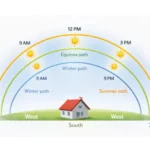
Sun Path Diagram for a Specific Location and Time: Solar Installer Guide
Earthing and lightning protection are critical safety components in solar PV installations. This guide explains their importance, types, components, and best practices for solar installers.
Haryana and UP Face Delays in Solar Net Metering Approvals
Net metering for rooftop solar in Haryana and Uttar Pradesh faces procedural delays, affecting solar adoption and efficiency for residential and commercial consumers
What Is Renewable Energy? What Is the Best Source of Renewable Energy and Why? – Complete Guide
Renewable energy comes from natural sources like sunlight, wind, water, and biomass that are constantly replenished. As India accelerates its transition toward clean energy, understanding different renewable energy sources and identifying the most efficient and cost-effective option is crucial. This complete guide explains renewable energy types, their advantages, and compares them to determine the best source based on sustainability, scalability, and long-term benefits.

1 MW Solar Power Plant Cost in Madhya Pradesh | A Complete Industrial Solar Guide
A detailed guide on the cost of setting up a 1 MW solar power plant in Madhya Pradesh. Learn about pricing, EPC components, land requirements, subsidies, and expected payback for commercial and industrial users.
Solar Inverter Troubleshooting Guide for Solar PV Systems
A complete guide to troubleshooting charge controllers in solar PV systems, including fault diagnosis, electrical testing, error identification, and corrective maintenance for reliable system performance.
Solar PV Mounting Structures: Types & Installation Guide
A complete guide to solar mounting structures types in PV systems, covering fixed tilt, tracking, and rooftop installations for installers.

What Is an Array Junction Box in Solar PV Modules? | Complete Guide
The Array Junction Box (AJB) is a critical component in solar PV systems, connecting multiple solar modules and ensuring safe flow of electricity to the inverter. This blog explains what an AJB is, its key features, types, and why it is essential for both residential and commercial solar installations. Understand how AJBs protect your system from overload, short circuits, and environmental factors while maintaining optimal performance.
Benefits of Site Survey in Solar PV Installation
Shadow analysis is a critical step in solar site assessment. It helps solar installers identify shading obstacles and optimize panel placement for maximum energy generation.