Group Net Metering for Solar Projects: A Smart Way to Maximize Solar Energy Generation
Group Net Metering Case Study
The Sri Aurobindo International Centre of Education (SAICE) of the Aurobindo Ashram in Puducherry is perhaps the first educational institution to become self-reliant by meeting all its energy requirements through solar energy.
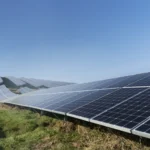
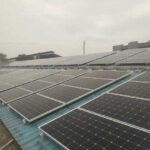
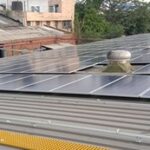
Grid-tied solar power plants have been installed on the rooftop of the Centre of Education building, Salle d’Art, Library and the Dining Hall with a cumulative capacity of around 130 kW. Subsequently, these rooftop power plants produce over 16,000 units of electricity per month.
The four buildings altogether themselves consume less than half of the electricity generated. Excess electricity is exported to compensate for the electricity consumed by other Ashram buildings. Thereby avoiding transmission and distribution losses.
Group Net Metering
The Ashram did not avail any Government capital subsidy and instead opted for the Group Net Metering facility. A unique feature of the Solar Energy Regulations of December 2014 by the Joint Electricity Regulatory Commission (JERC) for Goa and Union Territories. These Regulations provide for the surplus solar energy produced by a consumer to be adjusted in the electricity bill of another service connection (Group Net Metering) of the consumer within the State or Union Territory.
This provision facilitates optimal usage of rooftops that are suitable for solar energy in cities where land availability is limited. The performance of the four solar power plants is being tracked online using a remote monitoring system called Wattmon developed in Auroville.
The Wattmon system also monitors voltage, current, power output, solar inverter efficiency, cumulative electricity produced at any time of the day.
Suggested Articles

Solar Microgrids: All you need to know
Discover how solar batteries store excess energy, maximize your solar system’s efficiency, and provide reliable power during outages. Learn about the types, benefits, lifespan, and maintenance tips to make the most of your solar investment.

How to Identify the Type of Footing Required for Solar PV Installations: Complete Guide
Learn how to identify the right footing for solar PV installations based on soil conditions, load requirements, and site factors. This complete guide covers different foundation types, selection criteria, and practical insights for safe and efficient solar system design.

Difference Between Solar Power and Photovoltaic: Explained Simply
Total solar PV power represents the combined power output of a solar photovoltaic system. This guide explains its meaning, calculation, and how it directly impacts solar performance, efficiency, and long-term energy generation.

Industrial Solar Plants with Diesel Generator Backup: What You Need to Know
Discover how industries can efficiently run rooftop solar plants alongside diesel generators (DG). Learn the benefits, setup tips, and hybrid system strategies to ensure uninterrupted power and maximize energy savings.

How to Check Materials Received on Site for Solar PV Projects: Complete Inspection Checklist
Ensuring the quality of materials received at site is critical for successful solar PV installation. This guide provides a detailed inspection checklist to verify solar components before installation.

Delhi charges one of the highest tariffs for commercial load and industrial – average over Rs 10.00 per kWh
Delhi imposes some of the highest electricity tariffs for commercial and industrial consumers, averaging over ₹10 per kWh, impacting businesses and operating costs
Solar Energy Gadgets in India: 9 Cool Devices to Explore
Explore 9 innovative solar-powered gadgets in India that make daily life more sustainable, energy-efficient, and eco-friendly.

Fire Hazard in a Solar Setup at Rice Mill, Kaithal – Case Study and Safety Insights
A recent fire incident at a rice mill in Kaithal highlights the critical importance of safety in solar installations. This case study analyzes the root causes, system faults, and preventive actions that can help industries avoid similar hazards in their solar setups.