
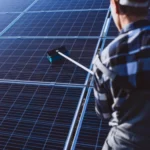
How to Maintain Solar Power System for Homes, Industries & Commercial Buildings
A solar power generating system converts sunlight into electricity for residential, industrial, and commercial use. This blog explains the components, working, and benefits of solar systems, helping you understand how to harness solar energy efficiently and sustainably.
Rooftop Solar for Factories: Maximum kW You Can Install
Industrial rooftop solar guide: Understand KW capacity limits, installation guidelines, and best practices for factories and manufacturing units
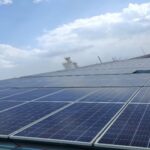
How to Clean and Maintain Solar Power System for Maximum Efficiency
Regular cleaning of your solar power system is essential to maintain maximum efficiency and energy output. Dust, bird droppings, and pollution can reduce performance by up to 20%. This blog explains the right cleaning methods, schedules, and safety tips for residential, industrial, and commercial solar systems.

1MW Solar Power Plant Construction Cost & Profit in India
Choosing the right industrial solar EPC is critical for plant performance and ROI. This guide explains how Indian industries can select the best solar EPC partner.
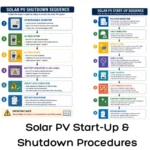
Solar PV Start-Up and Shutdown Procedures
A complete guide to demonstrating safe start-up and shutdown procedures for solar PV systems, covering pre-start checks, equipment sequencing, isolation, inverter operation, and system verification.
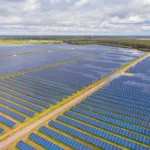
Fire Hazard in a Solar Setup at Rice Mill, Kaithal – Case Study and Safety Insights
A recent fire incident at a rice mill in Kaithal highlights the critical importance of safety in solar installations. This case study analyzes the root causes, system faults, and preventive actions that can help industries avoid similar hazards in their solar setups.
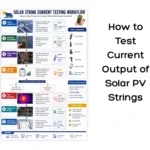
How to Test Current Output of Solar PV Strings
A complete guide to solar PV string current testing, including current measurement, comparison of string outputs, fault identification, and troubleshooting techniques for optimal system performance.
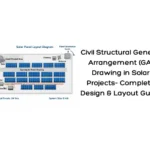
Civil Structural General Arrangement (GA) Drawing in Solar Projects: Complete Design & Layout Guide
A Civil Structural General Arrangement (GA) drawing in solar projects is a detailed layout that defines the placement of solar modules, mounting structures, inverters, and civil foundations. It plays a crucial role in ensuring accurate design, optimal space utilization, and smooth execution of both rooftop and ground-mounted solar installations. This guide explains the key components, design considerations, and best practices for creating effective GA drawings in solar EPC projects.