Solar Industry Faces Growing Losses from Underperforming Equipment
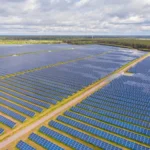
According to the Raptor Maps’ Global Solar Report, the amount of power loss due to equipment anomalies has nearly doubled from 1.61% in 2019 to 3.13% in 2022. This trend is expected to continue, with anomaly-driven power loss potentially growing to almost 6% by 2025.
The report also found that for sites larger than 200 MW, average underperformance due to anomalies has more than tripled since 2019, resulting in an estimated annual revenue loss of $82M for the 24.5 GW of assets analyzed in 2022, translating to an average loss of $3,350 per MW. Extrapolating these findings to the total global installed PV capacity (excluding residential) as of the end of 2021, the report estimates that the industry is facing a $2.5B annual revenue loss.
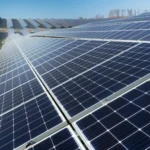
Furthermore, the report revealed that polycrystalline modules are more likely to show module-level and submodule-level anomalies on inspection compared to thin film and monocrystalline modules. Asset owners are increasingly looking for more granular data, with 32% of Raptor Maps customers requesting IEC-compliant Comprehensive Inspections in 2022, up from 23% in 2021.
The report emphasizes the need for asset owners and managers to monitor equipment performance over time and proactively identify maintenance issues and warranty claim opportunities.
Overall, the Raptor Maps Global Solar Report emphasizes the importance of proactive monitoring and maintenance to ensure the long-term health and profitability of solar assets. With the use of innovative technologies solar stakeholders can take steps to address the growing issue of equipment anomalies and underperformance, and help solar installations flourish for decades to come.
In conclusion, the solar industry needs to take proactive steps to address the growing problem of underperformance due to equipment anomalies. Raptor Maps’ Global Solar Report provides valuable insights and benchmarks to help asset owners and managers monitor their solar assets’ health and identify issues before they become costly problems.
Suggested Articles

How to Connect a Solar Panel to an MPPT Charge Controller: Step-by-Step Guide
This guide explains how to connect a solar panel to an MPPT charge controller step by step. Learn correct wiring, safety tips, and best practices to ensure efficient and reliable solar power performance.

Electrical Measuring Instruments Every Solar Installer Must Know
Solar installers rely on accurate electrical measurements for safe and efficient system performance. This guide explains the role of voltmeters, ammeters, digital multimeters, and clamp meters in solar installations.

Fire Hazard in a Solar Setup at Rice Mill, Kaithal – Case Study and Safety Insights
A recent fire incident at a rice mill in Kaithal highlights the critical importance of safety in solar installations. This case study analyzes the root causes, system faults, and preventive actions that can help industries avoid similar hazards in their solar setups.

Solar Installation Cost in Haryana: Pricing, Savings & Subsidy Guide
Solar installation cost in Haryana varies by system size, components, and subsidy eligibility. This guide explains per-kW pricing, government incentives, and how much owners can save with rooftop solar in 2025, helping you choose the right system at the right budget.

Sanctioned Load & Rooftop Solar: Everything You Need to Know
Learn why sanctioned load is crucial before rooftop solar installation. Understand its role, process, and impact on solar panel efficiency and subsidy eligibility.

Everything You Should Know About Solar Batteries
Discover how solar batteries store excess energy, maximize your solar system’s efficiency, and provide reliable power during outages. Learn about the types, benefits, lifespan, and maintenance tips to make the most of your solar investment.

UP Government Incentive: Stamp Duty Exemption for Solar Land
Uttar Pradesh offers stamp duty exemption on land for solar projects, encouraging investment and growth in renewable energy.

Sir! Solar Mein Itna Chalta Hai!” When to Reject a Site: The Truth About Shadow Analysis
Discover the importance of solar site assessment and shadow analysis to optimize rooftop solar performance, prevent shading losses, and maximize energy generation.