
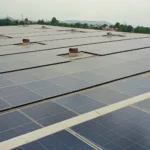
How Installers Cut Costs on Solar PV Module Mounting Structures
Solar PV mounting structures can significantly impact project cost. Explore how expert installers optimize design, materials, and labor to achieve safe, durable, and cost-effective solar installations
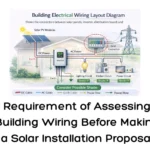
Electrical Wiring Requirements Before Installing a Solar Power System
Before designing a solar power system, assessing the building’s electrical wiring is essential. Proper inspection ensures the wiring can safely handle solar power integration, prevents electrical risks, and improves overall system efficiency.

Solar for Warehouses and Malls: Cost, Benefits, Installation & ROI in India
A complete guide on solar for warehouses and malls in India covering installation cost, benefits, ROI, system sizing, and installation process.

Everything You Should Know About Solar Batteries
Discover how solar batteries store excess energy, maximize your solar system’s efficiency, and provide reliable power during outages. Learn about the types, benefits, lifespan, and maintenance tips to make the most of your solar investment.
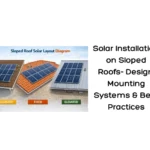
Solar Installation on Sloped Roofs: Design, Mounting Systems & Best Practices
A practical guide to flat roof solar installation covering key design considerations, mounting system types, and best practices for efficient and reliable performance.
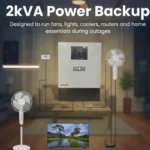
Introducing the ESS-2000-24V Hybrid Solar Inverter: Smart Power for Modern Homes & Businesses
The ESS-2000-24V Hybrid Solar Inverter delivers intelligent power management for homes and businesses. With advanced solar charging, lithium battery support, and seamless backup, it ensures uninterrupted, efficient, and clean energy for modern users.
Connection in Series and Parallel: Meaning, Differences, Formula & Applications
Understanding the difference between single-phase and three-phase voltage is essential for solar PV installers. While single-phase supply is common in residential systems, three-phase power is widely used in commercial and industrial solar projects. This complete guide explains electrical phase differences, applications in solar installations, and how choosing the right phase connection impacts system efficiency, safety, and performance.
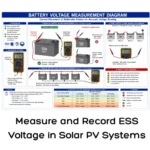
Measure and Record ESS Voltage in Solar PV Systems
A complete guide to measuring and recording energy storage system voltage for battery performance monitoring, troubleshooting, and maintenance.