
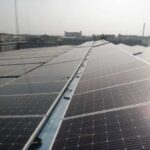
Can Solar Systems Support Industrial Motors and Machines? A Complete Guide
Discover how using solar for heavy machines can power industrial equipment reliably and cost-effectively for greener operations.
Solar Power Output Checks: Dust, Shade & Performance Guide
A complete guide to identifying and preventing factors such as dust, shade, dirt, and debris that interrupt solar power output and reduce PV system efficiency.

How Solar Energy Is Converted into Electricity Using Solar Panels – Complete Guide
Solar panels convert sunlight into usable electricity through the photovoltaic effect. From photon absorption to inverter conversion and grid connection, each component plays a critical role in solar power generation. This complete guide explains the step-by-step process of how solar energy becomes electricity for homes, businesses, and industries, helping you understand the technology behind India’s growing renewable energy movement.
Steps Required for Conducting a Site Assessment Prior to Solar Installation
A solar site assessment helps installers evaluate location, shading, structure, and energy requirements before installation. This guide explains the essential steps for accurate solar system planning.
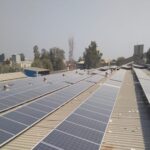
Why Go Solar: A Complete Guide to Solar Power for Homes and Industries
Switching to solar energy offers significant savings and environmental benefits. This guide explains why going solar is a smart choice, covering financial incentives, reduced electricity bills, and positive impacts on the planet.
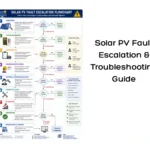
Solar PV Troubleshooting Guide: Fault Diagnosis & Solutions
A complete solar PV troubleshooting guide covering fault diagnosis, testing procedures, root cause analysis, and corrective actions to ensure safe, reliable, and efficient system operation.
UP Electricity Tariff Increase 2015-16: Rates Rise by Rs 0.40–1.00 per Unit – What Consumers need to know
Uttar Pradesh has increased electricity tariffs for 2015-16, ranging from Rs 0.40 to 1.00 per unit. This update explains the revised rates, the sectors affected, and what consumers need to know about the tariff hike.

Solar Energy for Industries Explained: Everything You Need to Know
Solar energy can greatly benefit industrial and factory owners as they require a constant and substantial source of electricity 24/7.