
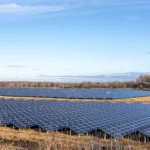
Solar String Sizing Check: Did Your Installer Get It Right?
A Solar PV Rooftop system will give its optimum performance only when the string sizing has been done correctly. In this blog, we will be talking on correct methods of string sizing.
Now let us first understand what a String is. When we connect Solar PV panels, used in solar power plant for generating solar energy for home/industrial/commercial roof top or ground mounted, in series, then it is called a String. String sizing means, what should be the minimum and maximum number of Solar PV panels to be connected in a string, so that system operates at its highest efficiency.
Output parameters of Solar PV panel , used in solar power plant for generating solar energy for home/industrial/commercial roof top or ground mounted ,should match the input parameters of the Inverter, so that the system works at its highest efficiency. If the parameters do not match, or falls out of the range, the system will shut down or will work with very less efficiency. Hence, String sizing must be done correctly.
Parameters of Solar PV vary with change in temperature. With increase in temperature the voltage of Solar PV panel decreases and this need to be consider while sizing the string. One needs to check the Technical Data Sheet of Solar PV panel (as given by manufacturer) for calculating the effect of temperature on a particular Solar PV Panel and then match that with the Inverter input parameters. Until and unless this is done, we can’t say that the system is designed perfectly and will perform best.
For example, if the strings are not sized considering the temperature factor and inverter input parameters, then there may be situations when the Solar PV Panel parameters will not match the inverter input parameters and the system will shut down or will under perform.
Our string sizing goals should be ::That we make sure never to supply the inverter excess voltage which may kill it—Max string length. Voc adjusted for temp will decide Max string length.
And also to ensure that we always supply enough voltage to inverter to turn it on—minimum string length. Vmp adjusted for temp will decide Min string length.
So you need to ask your installer, did he consider these parameters while string sizing ? Has he actually done string sizing or made a string by just counting the even numbers of PV panels in series?
Keep visiting our website for more such blogs.
Suggested Articles

100 kW Solar Plant Cost in Rajasthan: Latest Cost, Maintenance & Payback Time
Installing a 100 kW solar plant in Rajasthan costs around ₹40–60 lakh in, with annual savings up to ₹10–12 lakh. Discover maintenance needs, ROI, and payback period of 4–6 years.
Solar Panel Sizes and Features in Delhi/NCR: A Complete Guide
Planning to install solar panels in Delhi/NCR? Explore the different sizes, technologies, and key features of solar panels available for residential, industrial, and commercial use. Learn how to choose the right one for your energy needs and roof space.
Yes, I Have Installed an Optimized Solar PV Rooftop System at My Premises
A solar power generating system converts sunlight into electricity for residential, industrial, and commercial use. This blog explains the components, working, and benefits of solar systems, helping you understand how to harness solar energy efficiently and sustainably.
Photovoltaic Power Output Explained: A Practical Guide for Homes & Businesses
Photovoltaic power output determines how much electricity a solar system can generate. This simple guide explains PV output, how it is calculated, and what it means for homes and businesses planning to go solar.
Solar Cell Technology: Monocrystalline vs Polycrystalline vs Thin-Film
Explore the different types of solar cells, including monocrystalline, polycrystalline, and thin-film, and learn their efficiency, applications, and benefits for solar energy systems.
India and Japan Strengthen Renewable Energy Cooperation
India and Japan have initiated a partnership under the Asia Energy Transition Initiative (AETI) to support India’s clean energy transition. India has set an ambitious target of achieving net-zero by 2070, while Japan aims to achieve the same by 2050.
Everything you Need to Know about Bifacial Solar Panels technology
Learn how bifacial solar panels capture sunlight on both sides, boosting energy efficiency and maximizing solar power generation for homes and businesses.
How DISCOMs Implement Net Metering for Solar Power Plants
Discover the process of net metering implementation by DISCOMs for solar power plants. Understand the benefits, billing mechanism, and how it maximizes solar energy utilization.