
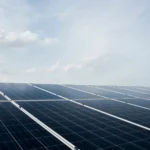
Developers fear unfair state-specific levies will make solar more expensive
Madhya Pradesh’s new levy on solar developers selling power to entities other than the state distribution companies (DISCOMs) has confirmed the industry’s fear that more states are formulating laws to squeeze solar projects through state-specific levies. The state has announced a Harit Urja Vikas fee of Rs. 0.10/kWh on electricity sold to non-DISCOM consumers. This fee will be applicable to all renewable energy projects with consumers outside Madhya Pradesh. Additionally, in the case of open-access projects, the levy will apply to the entire electricity generated by projects.
Madhya Pradesh’s levy goes a step further in scope than Rajasthan, which imposes a cess between Rs. 200,000 and Rs. 500,000 per MW annually on developers for supplying power to utilities other than DISCOMs in Rajasthan. While the Rajasthan levy is effective on DISCOMs of other states, the green energy levy in Madhya Pradesh will also be borne by commercial and industrial units (C&I) located within the state and procuring solar power through open access.
A developer stated that other states would also start looking at solar projects as an easy and attractive source of revenue. “The Madhya Pradesh fee is akin to the state shooting itself in the foot as its domestic C&I base will suffer due to more expensive solar power.” Another developer specializing in solar open-access projects mentioned that “the Rs. 0.10/kWh levy will not make projects unviable but will surely eat into the profits. Also, the question is not about how it will affect captive or third-party projects but the fairness of imposing such fees. This goes against the growth and development of the renewables sector.”
Over the past few years, C&I consumers all across the country have moved towards renewable energy, especially solar energy, as it has provided meaningful savings in energy costs. By going green, C&I units have gained more credibility and attracted fresh business while being able to secure loans at a reasonable rate as well.
The suite of fees imposed by DISCOMs is adding pressure on developers by cutting into their profits and potentially increasing the cost of projects. States must ensure that the growth of renewables is not hampered if they aim to contribute meaningfully to India’s renewable energy goals.
Suggested Articles

How Quickly Can Solar Panels Pay for Themselves? Payback Period Explained
Learn how the solar panel payback period works, factors that affect ROI, and how soon you can recover your solar investment.
COP27: Harnessing Solar Energy for a Sustainable Future
COP27 is the latest in a long line of global climate conferences, which have been held regularly since 1994. The United Nations Framework Convention on Climate Change (UNFCCC) was created at the 1992 Rio Earth Summit.

Solar Loans, Subsidies & EMI Plans: Financing Made Easy
Explore solar loans, government subsidies, and flexible EMI plans to make installing solar panels affordable and hassle-free.
Solar Power System Efficiency: How to Calculate for Residential, Industrial & Commercial Use
Understand and measure your solar system’s performance. Maximize energy output at home, industrial units, and commercial buildings

How to Safely Install Solar Panels on Metal and Asbestos Rooftops
Discover how solar systems can be installed on metal sheds and asbestos roofs, making factories more energy-efficient and sustainable
Benefits of Solar Energy: Why Switching to Solar Makes Sense
Switching to solar energy offers numerous benefits, from lowering electricity bills to reducing your carbon footprint. This guide explores how solar power supports sustainable living, provides cost savings, and creates a cleaner environment for homes, businesses, and industries. Learn why adopting solar energy is not just smart, but essential for a greener future.
Latest 100 kW Solar Plant Price in Delhi | Subsidy, ROI & Payback
Thinking about installing a 100 kW solar system in Delhi? This 2025 guide breaks down the 100 kW Solar Plant Cost in Delhi, explaining price per watt, total investment, energy generation, and key benefits for industries and businesses.

Why Is Investing In Grade A Panels Important?
Investing in Grade A solar panels guarantees superior performance, safety, and maximum return on your solar investment.