

India Solar Energy Policies: Key Updates and Government Initiatives
India is one of the leading countries in terms of solar energy development, having become the fastest-growing market for solar power globally. India’s solar energy capacity has more than quadrupled in the past five years, increasing from 13,114 MW in 2017 to 57,705 MW in 2022.
India has an ambitious target to achieve Net Zero Emissions by 2070, in addition to attaining the short-term targets which include, Increasing renewables capacity to 500 GW by 2030.
To meet this goal, the government has introduced several policy initiatives and incentives such as increased financing, state initiatives, and tax benefits. These policies have helped to reduce the costs associated with solar energy projects, making them more attractive investments for both domestic and international investors. Furthermore, India’s strong technical know-how and its extensive infrastructure has enabled it to set new standards in solar energy production. As a result of these efforts, India is now a major exporter of solar energy, with most of its exports going to neighboring countries such as Bangladesh, Nepal and Sri Lanka.
Benefits of solar energy for India
1. Increased energy independence
Solar energy provides India with a source of renewable energy that can be used to reduce its dependence on fossil fuels and other imported resources.
2. Cost savings
Installing solar technology is becoming increasingly cost competitive in India with the decreasing prices of photovoltaic (PV) modules and other components.
3. Job creation
Solar energy projects in India are creating thousands of jobs, ranging from manufacturing to installation and maintenance.
4. Cleaner environment
By replacing traditional sources of power with solar energy, India can reduce its carbon emissions and help address climate change.
5. Improved access to electricity
Solar energy projects in rural areas are helping to fill the gap in access to electricity, providing clean and reliable power for people who don’t have access to traditional grids.
The government has introduced several policy initiatives and incentives that have helped to reduce costs, encourage adoption and attract investors towards solar energy.
Suggested Articles

Solar Farm Development: Overcoming the Rising Challenge of Wiring Costs
Wiring costs are soaring in solar farms, affecting project budgets and timelines. Learn why infrastructure is becoming a key challenge.

UP Government Incentive: Stamp Duty Exemption for Solar Land
Uttar Pradesh offers stamp duty exemption on land for solar projects, encouraging investment and growth in renewable energy.
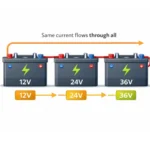
Series Connection of PV Modules – Effect on Voltage and Current
Connecting PV modules in series is a common practice in solar installations. This guide explains how series connections affect voltage and current and why they are used in solar PV systems.

Grid-Connected Solar PV System Startup Guide
A complete guide to starting up a grid-connected solar PV system, including commissioning, grid synchronization, electrical safety checks, and operational verification.

Everything You Need to Know About Net Metering
Discover everything about net metering – how it works, benefits, installation process, and how it helps you save on electricity bills.

Personal Safety Hazards in Solar PV Installations
A complete guide to personal safety hazards in solar PV installations, covering common workplace risks and practical measures to protect solar workers.

100 kW Solar Plant Cost in Rajasthan: Latest Cost, Maintenance & Payback Time
Installing a 100 kW solar plant in Rajasthan costs around ₹40–60 lakh in, with annual savings up to ₹10–12 lakh. Discover maintenance needs, ROI, and payback period of 4–6 years.

Battery Bank Installation in Solar Projects: Site Selection & Best Practices
Battery banks are essential for energy storage in solar projects. This guide explains site selection, installation procedures, safety measures, and best practices for solar battery systems.