Delhi Government Pledges to Boost Renewable Energy Generation
Delhi, the capital city of India, is moving towards a greener future through renewable energy. Their plan is to generate an additional 6,000 MW of electricity using Renewable Energy sources.
This goal has been set by Manish Sisodia, the Deputy Chief Minister of Delhi. He stated that the city government is determined to reduce the city’s dependence on fossil fuels. Their aim is to make Delhi self-sufficient in its energy requirements.
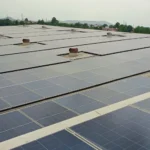
In a recent meeting of the energy department, Sisodia stressed the importance of adopting rooftop solar panels faster, in line with the city’s new solar policy.
The policy encourages residents to install solar panels on their rooftops with a generation-based incentive of Rs 2-3 per unit for residential and Re 1 per unit for commercial. The policy also includes a subsidy of Rs 2000 per kilowatt per consumer, with a maximum of Rs 10,000.
The draft solar policy recommends that all government buildings with rooftop areas of 500 square meters or more be solarized. It targets the installation of 500 MW additional rooftop solar plants over the next three years.
The energy department is currently looking for potential locations to set up solar energy plants and is exploring initiatives such as floating solar plants above lakes.
According to officials, Delhi’s power distribution companies currently have tie-ups to generate an estimated 8,471 MW of electricity. Generation will include around 33% (around 2,826 MW) from renewable sources.
The main sources of renewable energy are solar and wind, which contribute around 2,000 MW to Delhi’s power supply.
The distribution companies are also in consultation with different agencies for an additional renewable energy supply of 3,000 MW.
In June 2022, Delhi’s highest electricity demand was 7,265 MW. With the completion of various renewable energy generation projects, Delhi can expect to receive an additional 2,100 MW of electricity sourced from renewable energy.
These actions are expected to result in an increase of sustainable power generation capacity of up to 6,000 MW in the next three years.
In conclusion, Delhi’s new solar policy is a significant step towards a greener future. The city government’s commitment to generating electricity from renewable energy sources will ensure an uninterrupted supply of electricity for its residents.
The Delhi government’s efforts to meet the growing electricity demand and reduce dependence on fossil fuels is commendable. It sets an example for other cities to follow.
Suggested Articles

Ground Mounted Solar Systems: Complete Guide for Commercial & Industrial Projects in India
Ground mounted solar systems are ideal for commercial and industrial projects with available land. This guide explains cost, land requirement, installation process, and ROI in India.

Solar PV Conduit & Cable Routing Plan Guide
A complete guide to preparing solar PV conduit and cable routing plans, including layout design, routing methods, and installation best practices.

Everything You Need to Know About Net Metering
Discover everything about net metering – how it works, benefits, installation process, and how it helps you save on electricity bills.

Rooftop Solar for Factories: Cost, Benefits, ROI & Installation Guide in India
Learn how rooftop solar for factories in India lowers power costs with high ROI, faster payback, and long-term energy savings for industrial facilities.

What Is Global Tilted Irradiation (GTI) in Solar Energy? Explained Simply
Solar panel wattage and ratings decide how much electricity you generate. This guide explains panel output, efficiency, and how to choose the right solar panel for your needs.

Solar Power Set to Overtake Coal as World’s Largest Energy Source in Four Years
Solar power has come a long way in the past decade, moving from being an also-ran to one of the major players in the global energy race. According to the International Energy Agency, next year, solar photovoltaic capacity will surpass hydropower, followed by gas-fired generation in three years and coal in four years.

Steps for Conducting a Load Assessment Before Solar Installation and Its Requirements
Load assessment is an essential step before installing a solar PV system. It helps determine electricity consumption and ensures accurate system sizing for optimal solar performance.

Choosing the Right Solar Panel: Complete Guide for India
Solar is among the fastest-growing industries in India. This is mainly because solar energy is not only renewable but is also attractive from a financial point of view.