Electricity is one of the highest recurring expenses for factories and manufacturing units. Rising tariffs, demand charges, and peak-hour penalties significantly impact operational profitability. This is why many businesses are actively exploring ways to cut factory electricity bills through solar power solutions and energy optimization strategies.
Installing a factory solar power system allows industries to generate their own electricity, reduce grid dependency, and stabilize long-term energy expenses while moving toward sustainability goals.
Why Factory Electricity Bills Are Increasing
Before understanding the solution, it is important to know the common reasons behind high industrial electricity costs:
- Increasing grid tariff rates
- High connected load and maximum demand charges
- Peak-hour usage penalties
- Inefficient machinery and energy wastage
- Power factor penalties
- Dependence on diesel generators during outages
These factors collectively raise the cost per unit of electricity, directly affecting factory margins.
How Solar Energy Helps Cut Factory Electricity Bills
A well-designed industrial solar power plant offsets a large portion of daytime electricity consumption. Since most factories operate during sunlight hours, solar electricity generation aligns perfectly with usage patterns.
Key advantages include:
- Immediate reduction in monthly power bills
- Protection from tariff hikes
- Predictable long-term electricity costs
- Reduced reliance on diesel generators
- Strong solar ROI for business
Types of Solar Systems for Factories
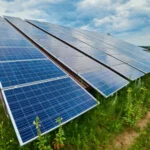
Rooftop Solar for Factories
Ideal for factories with large roof areas. No additional land is required, and installation is faster.
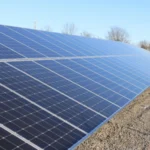
Ground Mounted Solar Systems
Suitable for factories with open land availability and higher energy demand.
Hybrid Solar Systems
Include battery backup to supply power during outages or night operations.
Additional Ways to Reduce Industrial Electricity Costs
While commercial solar installation is the most effective strategy, combining it with energy efficiency measures enhances savings:
- Upgrading to energy-efficient motors and machinery
- Installing LED lighting systems
- Improving power factor through capacitor banks
- Smart energy monitoring and automation
- Load scheduling during off-peak hours
- Regular electrical maintenance and audits
Together, these practices create a comprehensive industrial energy management plan.
Key Components of a Factory Solar Power System
A professional C&I solar installation company typically deploys:
- High-efficiency solar panels (Mono PERC / TOPCon / Bifacial)
- Solar inverters with MPPT technology
- Mounting structures and cabling systems
- SCADA monitoring dashboards
- Protection and safety equipment
- Net-metering or open-access connectivity
Quality components ensure higher solar panel efficiency and consistent power output.
Cost & ROI Considerations
The solar panel system cost for factories depends on capacity, technology, and infrastructure. However, businesses generally experience:
- Noticeable reduction in monthly electricity bills from day one
- Payback within a few years depending on tariffs
- Long-term savings for 25+ years
- Lower levelized cost of energy (LCOE) compared to grid electricity
As electricity prices continue to rise, the financial attractiveness of solar energy for industries increases further.
Technology Trends Supporting Industrial Solar Savings
Modern industrial solar EPC companies use advanced tools to maximize savings:
- Smart SCADA and real-time monitoring systems
- AI-based performance analytics
- High-capacity MPPT inverters
- Automated or robotic panel cleaning
- Bifacial solar modules for higher yield
These technologies improve the solar performance ratio and minimize energy losses.
Why Solar Is Making Electricity Economical for Factories
Declining solar panel prices, better financing models, and professional EPC execution are making solar energy economical for factories across India. By combining renewable energy with efficient energy management practices, industries can significantly lower operating expenses and achieve energy independence.
Conclusion
To cut factory electricity bills, businesses must move beyond temporary cost-saving tactics and adopt long-term solutions like industrial solar power systems. Solar energy not only reduces electricity expenses but also improves sustainability credentials and operational stability. With the right C&I solar installation partner, factories can transform unused rooftop or land space into a reliable power asset that delivers consistent savings for decades.
FAQs
Q1. What is the most effective way to reduce factory electricity bills?
Ans: Installing a solar power system combined with energy-efficient equipment.
Q2. How much can factories save using solar energy?
Ans: Savings vary by consumption but can significantly lower monthly electricity costs.
Q3. Is rooftop solar enough for large factories?
Ans: It depends on roof area; large factories may also need ground-mounted systems.
Q4. What is the payback period for factory solar installations?
Ans: Typically a few years depending on tariffs and financing.
Q5. Do solar systems work during power cuts?
Ans: Hybrid systems with batteries can provide backup power.