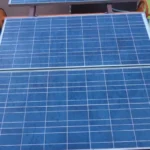
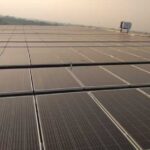
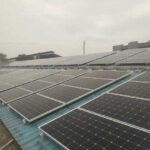
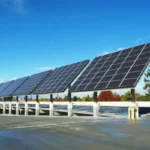
Haryana has rapidly emerged as one of India’s strongest adopters of solar power, driven by rising electricity tariffs, reliable sunlight availability, and supportive state policies. Whether it’s a home rooftop, commercial building, or industrial facility, thousands of consumers are switching to solar to reduce electricity bills and secure long-term energy savings.
The demand for solar installation in Haryana has grown even further, especially with new subsidy rules, improved technology, and affordable pricing.
This blog gives you a clear and easy overview of solar installation cost in Haryana, system types, sizing, subsidies, and price factors, without jargon or complexity.
Why Are People in Haryana Shifting to Solar?
1. High Electricity Rates
Haryana has one of the higher tariff slabs for both domestic and C&I consumers. Solar helps reduce daytime consumption drastically.
2. Excellent Sunlight
Haryana receives 5.5–6 kWh/m²/day, making it perfect for high solar generation.
3. Strong Government Push
Under the PM Surya Ghar Muft Bijli Yojana, Haryana consumers benefit from central subsidies for residential rooftop systems.
4. Massive Savings
Solar significantly cuts recurring bills and makes solar electricity far cheaper than grid power.
Solar System Types in Haryana
Before discussing price, it’s important to understand the types of systems:
1. On-Grid Solar System (Most Popular)
- No battery
- Best for savings
- Works with net-metering
- Ideal for homes, shops, offices, factories
2. Hybrid Solar System
- Solar + battery backup
- Useful in areas with power cuts
3. Off-Grid System
- Completely independent from the grid
- Suitable for remote areas
Each system type affects the total cost of solar installation in Haryana because of differences in components, batteries, and inverter rating.
Solar Installation in Haryana
Below are typical consumer categories:
Capacity | Estimated Cost (excluding GST) |
100 kW in Haryana | Starting from ₹24,00,000* |
200 kW in Haryana | Starting from ₹47,00,000* |
300 kW in Haryana | Starting from ₹70,50,000* |
400 kW in Haryana | Starting from ₹94,00,000* |
500 kW in Haryana | Starting from ₹1,17,50,000* |
600 kW in Haryana | Starting from ₹1,41,00,000* |
700 kW in Haryana | Starting from ₹1,64,50,000* |
800 kW in Haryana | Starting from ₹1,88,00,000* |
900 kW in Haryana | Starting from ₹2,11,50,000* |
1 MW in Haryana | Starting from ₹2,35,00,000* |
*Prices quoted are indicative starting rates for 100 kW solar installations and may vary based on project-specific requirements, including ground mount or tin-shed structures, RC installation types, additional accessories like DG sync, safety rails, etc. Final pricing will be confirmed upon detailed site evaluation and project scope assessment.
How Much Space Do You Need?
Most modern mono PERC or TOPCon solar panels need:
- 80–110 sq. ft. per kW
- Depends on layout, shade, and mounting structure
Understanding the solar panel area per kW helps plan installations on both RCC and sheet roofs.
Factors Affecting Solar Energy Installation Cost in Haryana
Several components influence the price of a solar plant:
1. Solar Panel Type
- Mono PERC, TOPCon, Bifacial
- Affects solar module price per watt
2. Inverter Type
- String / Hybrid / Central
- Impacts reliability and long-term performance
3. Mounting Structure
- RCC / sheet roof / elevated
- Crucial in Haryana due to strong winds
4. Cables & Safety Material
- MC4 connectors, AC/DC cables, earthing, these affect solar installation charges and safety.
5. Labour & Engineering
- Design quality influences generation and system stability.
Solar Electricity Generation in Haryana
On average:
- 1 kW generates 4-5 units/day
- 5 kW generates 600-700 units/month
- 10 kW generates 1,200-1,500 units/month
This makes solar electricity much cheaper than the grid, helping with making solar energy economical for all consumer types.
Industrial Solar in Haryana
Haryana’s industries, textile, automotive, food processing, packaging, agriculture, are now widely adopting solar to reduce heavy consumption charges.
- Most industrial plants see payback in 2.5-4 years.
Common capacities:
- 100 kW
- 250 kW
- 500 kW
- 1 MW and above
Industrial installations rely on accurate solar panel system cost, efficient space utilisation, and sturdy roof structures.
Conclusion
Solar installation in Haryana is one of the smartest investments today, offering high generation, stable sunlight, lower electricity bills, and strong financial returns. With transparent pricing and central subsidies for homes, solar energy is now more accessible than ever.
Whether you’re a homeowner, business owner, or factory operator, solar ensures long-term savings and energy independence.
At Smart Roof Solar, we design and install high-performance rooftop solar solutions for homes, businesses, and industries across Haryana. From engineering to installation to long-term O&M, we handle everything end-to-end.
FAQs
Q1. Is solar installation in Haryana cheaper for commercial or residential users in Haryana?
Ans: Commercial systems have a lower per-watt cost due to larger scale, while homes benefit from subsidies.
Q2. What is the life of a solar system installed in Haryana?
Ans: Solar panels last 25+ years, while inverters may need replacement after 8-12 years.
Q3. Do solar systems work during power cuts in Haryana?
Ans: On-grid systems don’t, but hybrid and off-grid systems provide backup using batteries.
Q4. How much can I save monthly after installing solar?
Ans: Most homes save 70–90% on electricity bills; industries can cut power costs by 40–60%. Learn more about it through our blog – Maximize Solar Savings by reducing bill – Smart Roof Solar
Q5. Is net-metering available across Haryana?
Ans: Yes, Haryana DISCOMs provide net-metering for residential and C&I consumers.