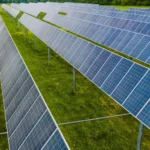
How to Clean and Maintain Solar Power System for Maximum Efficiency
After the solar panels used in solar power plant for generating solar energy for home/industrial/commercial roof top or ground mounted, are installed , the dirt starts to built up over the panels and can substantially affect system performance. It is required to be cleaned up from time to time regularly to avoid losses of solar energy. But while cleaning can enhance the system performance but wrong cleaning processes of materials used can lead to bad performance of the system. Therefore one needs to be careful in selecting the right materials , tools and processes for cleaning the solar power system. While the right materials , tools and processes are necessary , it is equally important to have trained manpower to do the job.
Given below are our recommendations for solar panels cleaning used in solar power plant for generating solar energy for home/industrial/commercial roof top or ground mounted.
Safety of workmen involved in cleaning:
Solar panels used in solar power plant for generating solar energy for home/industrial/commercial roof top or ground mounted, are connected in series and it can generate upto 1000V DC. Cracks in modules or damaged cable or joints in a string can pose serious dangerous situation for workmen involved in cleaning particularly when the modules are sprayed with water and are yet wet.
Even during early morning / late evening hrs of sunlight the array will generate lethal voltage. It is therefore important to inspect solar panels thoroughly for micro cracks, glass shield damage, and loose connections before solar panel cleaning is resorted to. workmen involved in cleaning should be made to wear appropriate electrically insulating gloves/shoes during cleaning. Or else the system should be switched off and cleaning should be done in zero sunlight hours.
Suitable Time for cleaning:
The recommended time for cleaning is when risk of electrical shock is minimum. That is when there is almost zero sunlight/ either just after sunrise or just before sunset.
Quality of water :
Soft water should be used to clean the modules. If soft water is not available, rainwater or potable tap water can be used. Water should have hardness of less than 75ppm. Water should be free of grit and particles or else we may see damage of panels over a period of time. cleaning agent: cleaning agent is not recommended but if one wishes then mild, non-abrasive, non-caustic detergent with water may be used. Alkali based or acidic detergents must not be used.
Removing spots:
Removing dead mosquitoes , dirts such as birds dropping, tar etc., use a soft sponge based wiper after spraying water over the spots and after wiping again cleaning with lots of water.
Drying:
Wipe the module surface with a little bit of pressure by hand through wiper from top to bottom to remove any residual water from the solar panels.
Water pressure:
Normal tap water pressure is enough at the cleaning end of nozzle. Use of high pressure for cleaning may damage the solar panels.
Water temperature:
Ambient temp of water is good enough for cleaning of panels and water should not be sprayed when the modules are hot to avoid thermal shocks. Or else we will have chances of developing micro cracks in the solar panels.
Suggested Articles

Everything You Need to Know About Net Metering
Discover everything about net metering – how it works, benefits, installation process, and how it helps you save on electricity bills.
AVANCIS Pushes CIGS Thin-Film Solar Modules Beyond 20% Efficiency
AVANCIS achieves a breakthrough in solar technology, pushing CIGS thin-film modules beyond 20% efficiency for higher performance and energy output.

Solar Energy for Industries Explained: Everything You Need to Know
Solar energy can greatly benefit industrial and factory owners as they require a constant and substantial source of electricity 24/7.
C&I Solar Installation Company: Complete Guide for Commercial & Industrial Solar Projects in India
Ground mounted solar systems are ideal for commercial and industrial projects with available land. This guide explains cost, land requirement, installation process, and ROI in India.
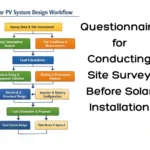
Questionnaire for Conducting Site Survey Before Solar Installation
A proper site survey is critical before solar installation. This questionnaire helps evaluate roof condition, load requirements, shading, and electrical infrastructure to ensure accurate system design and optimal performance.
How Azimuth Angle Impacts Solar Panel Efficiency for Homes, Industries, and Commercial Buildings
Discover how solar panel azimuth impacts energy generation in homes, industries, and commercial buildings. Maximize efficiency with correct orientation.
Solar Panel Efficiency and Temperature: What You Need to Know
The stronger the sun, the higher the temperature and more energy your solar panels produce, right? No.

Solar Site Assessment: Shadow Analysis for Maximum Energy Generation
Shadow analysis is a critical step in solar site assessment. It helps solar installers identify shading obstacles and optimize panel placement for maximum energy generation.