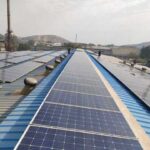
With electricity prices steadily increasing and sustainability becoming a business priority, many industries are investing in CAPEX industrial solar systems. Unlike third-party solar models, CAPEX allows companies to own their solar power plant, enabling long-term savings and complete energy independence.
A CAPEX solar model involves direct investment by the industry in purchasing, installing, and maintaining a solar energy system. While the initial cost is higher, the long-term financial and operational benefits make it a preferred choice for asset-focused organizations.
What Is a CAPEX Industrial Solar System?
In the CAPEX solar model, the industry finances and owns the solar panel system from day one. All generated solar electricity is used internally, reducing dependence on grid power and lowering operational energy expenses.
Key characteristics:
- One-time capital investment
- Full ownership of the solar plant
- Maximum long-term savings
- Eligibility for tax benefits and depreciation
- Greater operational control
This model is ideal for businesses with available capital and long-term expansion strategies.
How a CAPEX Solar System Works for Industries
A typical industrial solar installation under CAPEX includes:
1. Site survey and energy audit
2. Engineering and design of solar layout
3. Procurement of solar panels, inverters, and structures
4. Installation and commissioning
5. Net-metering approvals (if applicable)
6. Ongoing operation and maintenance
The industry either manages maintenance internally or signs an AMC with a solar EPC company.
Benefits of CAPEX Industrial Solar Systems
1. Maximum Electricity Savings
Since there is no per-unit tariff, industries enjoy the lowest cost of solar per kWh installed over the plant lifetime.
2. Long-Term ROI
Return on investment typically occurs within 3–5 years, after which electricity is nearly free.
3. Asset Ownership
The solar plant becomes a fixed asset, improving company valuation and balance sheet strength.
4. Tax & Depreciation Benefits
Industries may claim accelerated depreciation and other financial incentives as per prevailing regulations.
5. Energy Independence
Reduced exposure to grid tariff fluctuations ensures predictable operational costs.
CAPEX Industrial Solar vs OPEX Solar Model
Parameter | CAPEX Model | OPEX Model |
Upfront Cost | High | Nil |
Ownership | Industry | Provider |
Maintenance | Industry/AMC | Provider |
Savings | Highest long-term | Immediate moderate |
Risk | Industry | Provider |
Companies with strong financial capacity often choose CAPEX for maximum lifetime savings.
CAPEX Industrial Solar Installation Cost
The solar installation cost depends on system size, technology, and location. Broad influencing factors include:
- Solar panel efficiency and wattage
- Inverter capacity and brand
- Mounting structure and land/roof type
- Electrical infrastructure and cabling
- Regulatory approvals and engineering design
Although the solar panel system cost is upfront, the lifetime cost per unit of electricity is significantly lower than grid power.
ROI & Payback Period
A well-designed industrial solar power plant can deliver:
- 20-35% reduction in annual electricity bills
- Payback within 3-5 years
- 25+ years of energy generation
- Internal Rate of Return (IRR) often exceeding traditional investments
High daytime consumption industries achieve faster payback and stronger profitability.
Industries Best Suited for CAPEX Solar
CAPEX solar works particularly well for:
- Manufacturing and engineering units
- Metal and fabrication industries
- Pharma and chemical plants
- FMCG factories
- Warehouses and logistics centers
- Cold storage and food processing facilities
These sectors benefit from consistent load and large roof or land availability.
Technology & Components in CAPEX Industrial Solar Systems
Modern renewable energy systems use:
- High-efficiency mono-PERC or TOPCon solar panels
- String or central solar inverters with MPPT
- Real-time performance monitoring software
- Safety protection systems and surge arrestors
- Durable mounting structures
Advanced technology ensures optimal output, longer lifespan, and minimal losses.
Why CAPEX Solar Is Making Solar Energy Economical
Falling cost of solar panels, improved inverter efficiency, and supportive renewable policies are making solar energy economical for industries willing to invest upfront. Ownership translates into stronger financial returns and sustainability leadership.
Conclusion
A CAPEX industrial solar system is a strategic long-term investment for industries seeking energy independence, asset creation, and maximum electricity savings. While the initial expenditure is higher, the benefits in ROI, operational stability, and environmental impact make CAPEX solar one of the most powerful renewable energy decisions an industry can make.
FAQs
Q1. What is a CAPEX solar model?
Ans: It is a solar system where the industry invests upfront and owns the plant completely.
Q2. Is CAPEX solar cheaper than OPEX in the long run?
Ans: Yes, lifetime electricity cost is usually lower in CAPEX due to ownership.
Q3. What is the average payback period for CAPEX solar?
Ans: Typically between 3–5 years depending on energy consumption and tariffs.
Q4. Who maintains the plant in CAPEX?
Ans: The industry or an AMC provider manages maintenance.
Q5. Are tax benefits available for CAPEX solar?
Ans: Yes, accelerated depreciation and other incentives may apply.