
Before investing in solar, one of the most common questions people ask is: “How much electricity will my solar system actually generate?”
The answer lies in understanding PV power output. Whether you are planning solar energy for home use, a commercial setup, or an industrial plant, calculating PV output helps you estimate savings, payback, and the total cost of solar installation.
In this blog, we explain how to calculate PV power output in easy steps, what factors affect it, and how it directly impacts your solar panel system cost and long-term returns.
What Is PV Power Output?
PV power output is the amount of solar electricity produced by a photovoltaic system under real conditions. It is usually measured in kilowatt-hours (kWh) per day, month, or year.
PV output helps you:
- Decide the right system size
- Estimate electricity savings
- Compare solar installation cost per kWh
- Understand the actual value of your solar panel in rooftop installation
Higher output means better savings and faster payback, which is why this calculation is critical.
Basic Formula to Calculate PV Power Output
The simplest formula used across the solar industry is:
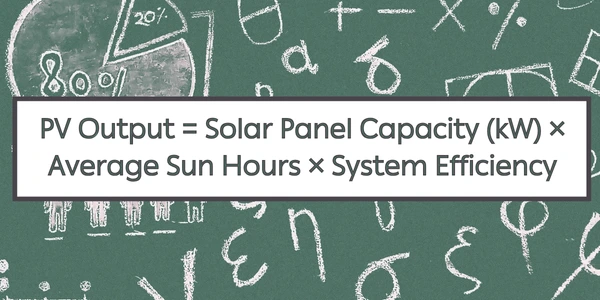
Let’s understand each part:
- System Size (kW): Total installed solar capacity
- Sun Hours: Average daily sunlight available in your location
- Performance Ratio (PR): Accounts for losses (usually 75-85%)
This formula helps estimate realistic output rather than ideal lab conditions.
Step-by-Step Guide to Calculate PV Power Output
Step 1: Identify Your Solar System Size
Your system size depends on your electricity usage and roof space.
Example sizes:
- 1 kW for small households
- 3-5 kW for average homes
- 10 kW+ for commercial users
This also impacts home roof solar panels cost and solar module price per watt.
Step 2: Check Average Sun Hours in Your Location
Different states receive different sunlight:
- Haryana / UP: 4.5-5 hours
- Rajasthan: 5.5-6 hours
- MP: 5-5.5 hours
More sun hours = higher output = lower cost of solar per kWh installed.
Step 3: Apply Performance Ratio (PR)
No system works at 100% efficiency due to:
- Dust
- Heat losses
- Inverter losses
- Cable losses
Most Indian solar systems use a PR of 0.75-0.8.
Step 4: Final PV Output Calculation (Example)
For a 5 kW solar system in Haryana:
- 5 kW × 5 sun hours × 0.8 = 20 units/day
Monthly output:
- 20 × 30 = 600 units
This helps estimate solar electricity savings and ROI.
How PV Power Output Impacts Solar Installation Cost
PV output directly affects:
- Solar energy installation cost
- Solar installation charges
- Average cost of solar panels on a house
If your system generates more units per kW:
- Payback is faster
- Electricity bills are reduced more
- Solar becomes more economical
This is why correct calculation is essential before finalizing solar roof installation cost.
Roof Area Required Based on PV Power Output
PV output also determines space requirements:
- 1 kW system: 80–100 sq. ft.
- Higher efficiency panels = less area
This helps plan solar panel area per kW and ensures optimal roof usage.
PV Power Output for Home vs Commercial Systems
For Homes
- Reduces monthly bills
- Supports net metering
- Works well with the government solar subsidy scheme
For Commercial Use
- Cuts daytime energy costs
- Improves ROI
- Lowers dependency on grid power
PV output helps businesses compare solar panel system cost against long-term savings.
Factors That Can Change Actual PV Power Output
Even after calculation, real output can vary due to:
- Panel quality
- Orientation & tilt
- Shading
- Cleaning frequency
- Inverter efficiency
Choosing reliable components helps maintain consistent generation and ensures renewable energy technology delivers long-term value.
How to Increase Your PV Power Output
To maximize generation:
- Use high-efficiency panels
- Avoid shadows
- Maintain proper tilt
- Clean panels regularly
- Choose quality inverters
- Ensure professional installation
These steps improve performance and help make solar energy economical.
Why PV Output Calculation Matters Before Installation
Calculating PV output helps you:
- Avoid oversizing or undersizing
- Plan accurate budgets
- Compare the cost of solar panels realistically
- Maximize the benefits of subsidised solar panels for home
It ensures your solar system delivers exactly what you expect.
Conclusion: Calculate Right, Save More
Knowing how to calculate PV power output allows you to make informed decisions about solar capacity, costs, and savings. It directly impacts your solar energy installation cost, monthly savings, and long-term ROI.
At Smart Roof Solar, we help customers calculate accurate PV output based on location, roof area, and energy needs, so your investment in renewable solar delivers maximum returns.
FAQs
Q1. Can PV power output be predicted accurately for an entire year?
Ans: Annual PV output can be estimated reliably, but seasonal weather variations may cause short-term fluctuations.
Q2. How does temperature impact solar power generation?
Ans: Higher temperatures slightly reduce panel efficiency, even on sunny days.
Q3. Can PV output be monitored in real time?
Ans: Yes, our modern solar systems include monitoring apps that track daily and lifetime generation.
Q4. How does grid availability impact PV power output?
Ans: In grid-tied systems, power generation may stop during outages unless battery backup is installed.
Q5. Can nearby pollution affect solar output?
Ans: Yes, high pollution levels can reduce sunlight penetration and lower generation slightly.

Solar Projects Challenges in India: Module Supply Shortages and Policy Delays Slow Growth
India’s utility-scale solar projects face delays due to module supply shortages and policy challenges, impacting the growth of renewable energy.

Complete Guide To 100 kW Solar Setup Cost And Benefits In Uttar Pradesh
Planning to install a 100 kW solar power plant in Uttar Pradesh? This guide covers everything — from installation costs and available subsidies to long-term savings and payback time. Learn how investing in solar can reduce your electricity expenses and support a sustainable energy future for your business.

Eco-Friendly Solar Panels: The Future of Sustainable Power
Eco-friendly solar panels are revolutionizing the way we generate clean energy. This blog explores their benefits, sustainable materials, and role in reducing carbon footprint while providing efficient energy solutions for residential, industrial, and commercial use. Learn why investing in eco-friendly solar technology is the future of sustainable power.
Solar Savings Made Simple: Know Your Cost Cuts in 2025
Maximize your solar savings in 2025. Learn how solar energy reduces electricity costs for homes and businesses.
Rooftop Solar: Reduce Your Electricity Bill and Increase Savings
Discover how installing a rooftop solar system can help you save on electricity bills, reduce peak demand charges, and take advantage of government incentives.

India’s Solar Capacity Growth Slows Down in Q1 2023
India’s solar capacity growth slowed in Q1 2023. Explore the factors behind the slowdown and its impact on the country’s renewable energy progress.
How to Improve Solar Panel Performance for Optimal Energy Output
Performance degradation in solar panels reduces energy output over time. This guide explains how to factor in degradation when calculating annual yields, ensuring accurate estimates for residential, commercial, and industrial solar installations.
Why Go Solar: A Complete Guide to Solar Power for Homes and Industries
Switching to solar energy offers significant savings and environmental benefits. This guide explains why going solar is a smart choice, covering financial incentives, reduced electricity bills, and positive impacts on the planet.