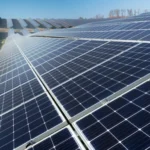
7 Common Myths about Solar Energy in India
Myths About Solar Energy in India -
Solar power is not only less expensive, but it is also the most abundant source of clean energy. Although people are much more aware of solar energies and their importance, there are still some misconceptions about solar energy. Here are some common myths about solar energy that need to be debunked in order to speed our country’s green energy adoption.
1. All solar systems keep working during power outages.
In the event of a power outage, a building powered by a grid-connected solar power system will lose power. During daytime power outages, buildings that are completely off the grid (off-the-grid) or run on a hybrid system will continue to use solar power. For 100 percent uptime, backup batteries can be connected to a grid-tied system. You’ll have power even if there’s a power outage if you install backup batteries. Your solar plant could also be connected to a DG for uninterrupted power.
2. Warmer climates are better for solar power generation.
When it comes to performance, solar panels perform efficiently in sunny, cold, and even cloudy conditions. Solar panels use the sun’s light rather than its heat to generate electricity. Solar panels lose efficiency as the temperature rises. During overcast or rainy seasons, solar panels do not totally shut off. They continue to operate at a lower efficiency level.
3. Solar panels require a lot of maintenance.
The simplest approach to keep your solar panels in proper working order is to keep them free of debris and dirt and to remove any causes of shadowing. If you have concerns about system faults or efficiency, see your system’s user manual and speak with your installer immediately for assistance.
4. Most Indians cannot afford to own a solar power system.
Many of us believe that switching to solar is a luxury and that it is only available to the wealthy. Well, this is not the case. Solar has become a viable choice for all property owners due to falling costs and the availability of attractive financing options.
5. Solar panels damage your roof.
The solar panels protect the area of the roof they cover from external influences like birds and weather. The panels themselves aren’t heavy or large enough to cause damage to the house’s roof. Solar installers are also well-trained and work with the roof’s condition to ensure the optimum fit in terms of utility and aesthetics.
6. You can’t relocate once you shift to solar power.
A person has the option of relocating at any time. When selling a home, a homeowner has two options: sell the house with the solar panels attached, which will almost certainly increase the property’s value; or detach the solar panels and reinstall them at a different location.
7. I can’t switch to solar because I don’t have my own house.
Community solar programs allow you to use solar energy if you rent your home or reside in an apartment building. Multiple people can benefit from a single, shared solar plant thanks to community-based schemes. These can be installed on-site or off-site, depending on your needs. The costs of purchasing and installing the solar energy system are then split among all of the participants.
Solar power is most effective when you make an informed decision, and getting information from reputable sources will eliminate rumors and misinformation. We hope that with this article, you now have a better understanding of the affordability and effectiveness of solar power systems. You can not only save money over time by switching to solar, but you can also lower your carbon footprint and help the environment.
For more such informative blog, check our blogs page. and head over to our LinkedIn Page for more updates on solar Industry
Suggested Articles

How to Connect Solar Panels to Battery: Step-by-Step Guide
Connecting solar panels to a battery is essential for storing solar energy and ensuring power availability when sunlight is low. This step-by-step guide explains how to connect solar panels to a battery safely using a charge controller, wiring diagrams, and best practices for beginners and professionals alike.
Inspection Reporting and Corrective Actions
A complete guide to preparing solar PV inspection reports and implementing corrective actions to ensure quality, compliance, and project performance.
UP Electricity Tariff Increase 2015-16: Rates Rise by Rs 0.40–1.00 per Unit – What Consumers need to know
Uttar Pradesh has increased electricity tariffs for 2015-16, ranging from Rs 0.40 to 1.00 per unit. This update explains the revised rates, the sectors affected, and what consumers need to know about the tariff hike.
Solar for Food Processing Units: Cost, Benefits, Installation & ROI in India
A complete guide on solar systems for the FMCG industry in India covering installation cost, benefits, ROI, system sizing, and the installation process.
500 kW Rooftop Solar for Industries in India: Complete Guide 2026
A complete guide to 500 kW solar for industries covering installation cost, energy generation, ROI, savings, and why it is a smart business investment.
Industrial Solar CAPEX Model in India: Meaning, Investment & Payback
A CAPEX industrial solar system allows Indian industries to own their solar power plant by investing upfront. This guide explains meaning, cost, benefits, and ROI.
Complete Guide To 100 kW Solar Setup Cost And Benefits In Uttar Pradesh
Planning to install a 100 kW solar power plant in Uttar Pradesh? This guide covers everything — from installation costs and available subsidies to long-term savings and payback time. Learn how investing in solar can reduce your electricity expenses and support a sustainable energy future for your business.
Solar Inverters India: How to Choose the Best for Your Solar System
India’s solar market offers a wide range of inverters, making selection challenging. This guide explains key factors to consider, helping users choose the right inverter for residential, commercial, and industrial solar projects effectively.