
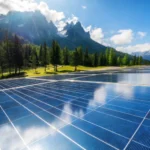
7 Common Myths about Solar Energy in India
Myths About Solar Energy in India -
Solar power is not only less expensive, but it is also the most abundant source of clean energy. Although people are much more aware of solar energies and their importance, there are still some misconceptions about solar energy. Here are some common myths about solar energy that need to be debunked in order to speed our country’s green energy adoption.
1. All solar systems keep working during power outages.
In the event of a power outage, a building powered by a grid-connected solar power system will lose power. During daytime power outages, buildings that are completely off the grid (off-the-grid) or run on a hybrid system will continue to use solar power. For 100 percent uptime, backup batteries can be connected to a grid-tied system. You’ll have power even if there’s a power outage if you install backup batteries. Your solar plant could also be connected to a DG for uninterrupted power.
2. Warmer climates are better for solar power generation.
When it comes to performance, solar panels perform efficiently in sunny, cold, and even cloudy conditions. Solar panels use the sun’s light rather than its heat to generate electricity. Solar panels lose efficiency as the temperature rises. During overcast or rainy seasons, solar panels do not totally shut off. They continue to operate at a lower efficiency level.
3. Solar panels require a lot of maintenance.
The simplest approach to keep your solar panels in proper working order is to keep them free of debris and dirt and to remove any causes of shadowing. If you have concerns about system faults or efficiency, see your system’s user manual and speak with your installer immediately for assistance.
4. Most Indians cannot afford to own a solar power system.
Many of us believe that switching to solar is a luxury and that it is only available to the wealthy. Well, this is not the case. Solar has become a viable choice for all property owners due to falling costs and the availability of attractive financing options.
5. Solar panels damage your roof.
The solar panels protect the area of the roof they cover from external influences like birds and weather. The panels themselves aren’t heavy or large enough to cause damage to the house’s roof. Solar installers are also well-trained and work with the roof’s condition to ensure the optimum fit in terms of utility and aesthetics.
6. You can’t relocate once you shift to solar power.
A person has the option of relocating at any time. When selling a home, a homeowner has two options: sell the house with the solar panels attached, which will almost certainly increase the property’s value; or detach the solar panels and reinstall them at a different location.
7. I can’t switch to solar because I don’t have my own house.
Community solar programs allow you to use solar energy if you rent your home or reside in an apartment building. Multiple people can benefit from a single, shared solar plant thanks to community-based schemes. These can be installed on-site or off-site, depending on your needs. The costs of purchasing and installing the solar energy system are then split among all of the participants.
Solar power is most effective when you make an informed decision, and getting information from reputable sources will eliminate rumors and misinformation. We hope that with this article, you now have a better understanding of the affordability and effectiveness of solar power systems. You can not only save money over time by switching to solar, but you can also lower your carbon footprint and help the environment.
For more such informative blog, check our blogs page. and head over to our LinkedIn Page for more updates on solar Industry
Suggested Articles

US Lawmakers Approve Tariffs on Solar Imports from Southeast Asia
US lawmakers vote to restore tariffs on solar imports from Southeast Asia, affecting pricing, supply, and the solar industry landscape.
COP27: Harnessing Solar Energy for a Sustainable Future
COP27 is the latest in a long line of global climate conferences, which have been held regularly since 1994. The United Nations Framework Convention on Climate Change (UNFCCC) was created at the 1992 Rio Earth Summit.

Delhi Jal Board Solar Project: A Step Towards Sustainable Energy
Delhi Jal Board has embraced solar power, becoming a leader in renewable energy adoption. This initiative highlights the benefits of solar energy, including cost savings, sustainability, and promoting clean energy practices in institutional operations.
Save on Electricity in Haryana Using Net Metering: A Complete Guide
Learn how to save on electricity in Haryana with net metering. Step-by-step guide on benefits, installation, and cost savings for your home or business
How DISCOMs Implement Net Metering for Solar Power Plants
Discover the process of net metering implementation by DISCOMs for solar power plants. Understand the benefits, billing mechanism, and how it maximizes solar energy utilization.

Commercial Solar Power Plant Subsidy in India: What Businesses Need to Know
Businesses in India can reduce their solar installation costs through various MNRE-backed subsidies and state incentives. Learn eligibility, benefits, and the application process for commercial solar plants.
Solar Power Set to Overtake Coal as World’s Largest Energy Source in Four Years
Solar power has come a long way in the past decade, moving from being an also-ran to one of the major players in the global energy race. According to the International Energy Agency, next year, solar photovoltaic capacity will surpass hydropower, followed by gas-fired generation in three years and coal in four years.

Solar Installation Cost in Haryana: Pricing, Savings & Subsidy Guide
Solar installation cost in Haryana varies by system size, components, and subsidy eligibility. This guide explains per-kW pricing, government incentives, and how much owners can save with rooftop solar in 2025, helping you choose the right system at the right budget.