The demand for 1MW solar farm construction is rapidly increasing in India as businesses, investors, and developers look toward renewable energy projects for long-term financial returns and sustainability goals. A 1 megawatt solar power plant is considered an ideal mid-scale capacity that balances investment size, land availability, and electricity generation potential.
Whether it is for captive use, open access, or power sale through a PPA model, constructing a 1MW solar farm requires technical planning, regulatory approvals, and expert execution by an experienced solar EPC company.
What Is a 1MW Solar Farm?
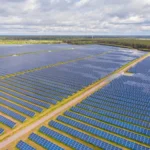
A 1MW solar farm is a ground-mounted solar power plant capable of generating approximately 1.4-1.7 million units (kWh) of electricity annually, depending on location and solar irradiation levels. It is widely adopted by:
- Industrial groups
- Independent power producers (IPPs)
- Commercial energy investors
- Open-access consumers
- Renewable energy developers
This scale offers a strong balance between manageable investment and attractive solar ROI.
Land Requirement for 1MW Solar Farm Construction
One of the most searched aspects of solar farm installation is land size. On average:
- 4-5 acres of land are required for a 1MW ground-mounted solar plant
- Flat, shadow-free land with good solar exposure is preferred
- Proximity to transmission lines reduces infrastructure costs
- Soil quality should support mounting structures
Locations with high Global Horizontal Irradiation (GHI) yield better annual energy production.
Key Components in a 1MW Solar Power Plant
A professionally designed 1MW solar energy system includes:
- High-efficiency solar panels (Mono PERC / TOPCon)
- String or central solar inverters with MPPT
- Module mounting structures (fixed tilt or tracker)
- DC and AC cabling with protection systems
- SCADA or remote monitoring system
- Transformer and switchgear
- Earthing and lightning protection
Using Tier-1 components ensures better solar panel efficiency and long-term durability.
Step-by-Step 1MW Solar Farm Construction Process
1. Feasibility Study & Site Survey
Solar irradiation analysis, load planning, and financial projections are evaluated.
2. Land Acquisition or Lease
Developers either purchase land or sign long-term lease agreements.
3. Engineering & Design
Layout planning, tilt angle optimization, inverter sizing, and electrical drawings are prepared.
4. Approvals & Regulatory Compliance
Grid connectivity, DISCOM approvals, environmental permissions, and open-access clearances are obtained.
5. Procurement of Equipment
Solar panels, inverters, structures, and electrical components are sourced.
6. Civil & Electrical Construction
Foundation work, mounting structure installation, panel fixing, and wiring are completed.
7. Testing & Commissioning
Performance ratio checks, synchronization with the grid, and final inspections are conducted.
8. Operation & Maintenance
Regular cleaning, monitoring, and preventive maintenance ensure consistent output.
1MW Solar Farm Construction Cost in India
The solar plant cost for 1MW varies based on technology, land conditions, and infrastructure requirements. Influencing factors include:
- Solar panel wattage and efficiency
- Inverter type and brand
- Mounting structure design
- Distance from grid connectivity point
- Civil works and land preparation
- Monitoring and safety systems
Although the initial investment is significant, the cost per unit of solar electricity becomes highly economical over the plant’s 25-year lifespan.
Electricity Generation & ROI
A well-executed 1MW solar farm project can generate:
- 1.4-1.7 million kWh annually
- Payback period of 3-6 years depending on tariff model
- Stable long-term cash flow through PPAs or captive savings
- IRR often higher than many traditional investments
Industries and investors benefit from predictable returns and reduced exposure to rising grid tariffs.
Benefits of 1MW Solar Farm Construction
- Large-Scale Renewable Energy Generation
- Long-Term Financial Stability
- Lower Carbon Footprint
- Energy Cost Control
- Asset Creation & Valuation Growth
- Eligibility for Green Financing & Incentives
It is a strategic move for companies targeting ESG goals and sustainability compliance.
Technology Trends in Modern Solar Farms
Modern solar power plant construction increasingly adopts:
- Bifacial solar panels
- Solar tracking systems
- Advanced SCADA analytics
- High-capacity string inverters
- AI-based performance monitoring
These innovations improve generation efficiency and reduce operational losses.
Why 1MW Solar Farms Are Making Solar Energy Economical
Falling solar panel prices, better financing options, and strong EPC support are making solar energy economical for developers and industries alike. A 1MW project strikes the right balance between affordability, scalability, and profitability, making it one of the most attractive renewable energy investments today.
Conclusion
1MW solar farm construction is a powerful opportunity for industries and investors seeking reliable energy generation and long-term financial returns. With proper planning, quality components, and an experienced solar EPC partner, a 1MW solar power plant can deliver decades of clean electricity, strong ROI, and sustainable growth. As renewable adoption continues to rise, mid-scale solar farms are becoming a cornerstone of India’s green energy transition.
FAQs
Q1. How much land is needed for a 1MW solar farm?
Ans: Typically 4-5 acres of shadow-free land is required.
Q2. How much electricity does a 1MW solar plant generate annually?
Ans: Around 1.4-1.7 million units depending on location and irradiation.
Q3. What is the lifespan of a 1MW solar power plant?
Ans: Most plants operate efficiently for 25-30 years.
Q4. Can a 1MW solar farm be installed on rooftops?
Ans: It is usually ground-mounted due to space and structural requirements.
Q5. What is the payback period for a 1MW solar project?
Ans: Generally 3-6 years based on tariffs and financing.