As industries across India shift toward renewable energy solutions, selecting the top industrial solar EPC company has become one of the most important business decisions. A reliable Solar EPC provider ensures that the entire solar journey, from design to commissioning, is handled professionally, efficiently, and with long-term performance in mind.
An experienced industrial solar EPC contractor not only installs solar panels but also optimizes energy output, ensures regulatory compliance, and delivers maximum return on investment for factories, warehouses, manufacturing plants, and commercial establishments.
What Is an Industrial Solar EPC?
EPC stands for Engineering, Procurement, and Construction. In the context of solar, an Industrial Solar EPC company is responsible for the complete lifecycle of a solar power plant installation, including:
Engineering: Site survey, feasibility analysis, and solar plant design
Procurement: Sourcing high-quality solar panels, inverters, cables, and structures
Construction: Installation, testing, and commissioning of the solar system
A professional EPC company ensures that the industrial solar power system is efficient, safe, and compliant with local regulations.
Why Choosing the Top Industrial Solar EPC Matters
Selecting the correct solar EPC contractor in India directly impacts the performance and profitability of your solar investment. Poor design or low-quality components can reduce output, increase downtime, and extend payback periods.
A top solar EPC company offers:
- Accurate energy yield estimation
- Use of Tier-1 solar panels and reliable inverters
- Strong project management and timelines
- Net-metering and regulatory support
- Long-term operation and maintenance services
Key Features of a Top Industrial Solar EPC Company
1. Proven Industry Experience
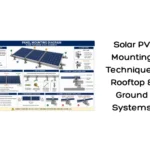
A strong EPC provider has executed multiple industrial solar projects, including rooftop and ground-mounted plants across sectors.
2. In-House Engineering & Design Team
Companies with internal design and technical teams ensure better customization and quicker execution.
3. Quality Procurement Standards
Use of certified solar modules, MPPT inverters, mounting structures, and protection systems guarantees long-term reliability.
4. End-to-End Project Execution
From feasibility to commissioning and after-sales support, a top EPC offers complete lifecycle management.
5. Strong O&M and Monitoring
Real-time monitoring systems and preventive maintenance help maintain a high solar performance ratio.
Industries That Benefit from Industrial Solar EPC Services
A capable solar EPC partner can cater to diverse industries such as:
- Manufacturing and heavy engineering units
- Metal and fabrication industries
- FMCG and food processing plants
- Warehouses and logistics hubs
- Pharma and chemical industries
- Cold storage facilities and malls
Each sector requires tailored solar solutions based on load patterns, roof strength, and energy usage profiles.
How an Top Industrial Solar EPC Project Works
A typical industrial solar installation process includes:
1. Energy audit and feasibility study
2. Solar system design and capacity planning
3. Procurement of panels, inverters, and BOS components
4. Civil and electrical installation
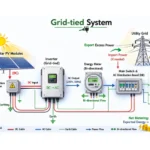
5. Grid synchronization and approvals
6. Performance testing and commissioning
7. Operation & Maintenance support
This structured approach ensures optimal solar electricity generation and faster ROI.
Benefits of Hiring a Top Industrial Solar EPC Company
- Higher Energy Output: Optimized tilt angle, orientation, and technology selection
- Faster Payback Period: Efficient design leads to better financial returns
- Regulatory Compliance: Assistance in net metering and approvals
- Safety & Reliability: Use of certified equipment and protection systems
- Long-Term Support: AMC and monitoring services for sustained performance
Factors to Evaluate Before Selecting a Solar EPC Contractor
- Portfolio of completed industrial solar projects
- Quality certifications and safety standards
- Warranty terms on panels and inverters
- In-house vs outsourced engineering capabilities
- O&M and monitoring infrastructure
- Financial stability and client testimonials
Choosing the right EPC partner ensures that your solar energy investment remains profitable for 25+ years.
Conclusion
Selecting a Top Industrial Solar EPC is not merely about installation, it is about forming a long-term energy partnership. The right EPC contractor delivers efficient engineering, quality procurement, reliable construction, and ongoing support, ensuring maximum savings and uninterrupted solar performance for decades.
For industries aiming to reduce power costs and move toward renewable energy, partnering with a trusted solar EPC provider is a strategic step toward growth and sustainability.
FAQs
Q1. What does a solar EPC company do?
Ans: A solar EPC company manages engineering, procurement, and construction of complete solar power plants.
Q2. Why is EPC important in industrial solar projects?
Ans: EPC ensures professional design, quality components, and reliable installation for long-term performance.
Q3. How long does an industrial solar EPC project take?
Ans: Typically 2-6 months depending on system size and approvals.
Q4. Do EPC companies also provide maintenance?
Ans: Yes, most top EPC providers offer AMC and performance monitoring services.
Q5. Can an EPC help with net metering approvals?
Ans: Yes, regulatory coordination is usually part of EPC services.