
In solar photovoltaic (PV) installations, long-term performance is not only dependent on design and installation quality but also on how well the system is protected against corrosion and weather-related damage. Exposure to moisture, dust, temperature variations, and pollutants can gradually degrade system components, leading to reduced solar electricity generation and increased solar installation charges.
To ensure durability and safety, installers must apply proper corrosion protection and weatherproofing techniques. Environmental protection measures are essential for maintaining the reliability of renewable solar systems.
This blog provides a complete guide to corrosion protection and weatherproofing in solar PV installations, helping prevent seepage, structural damage, and performance loss.
Why Corrosion Protection is Important in Solar Installations
Solar PV systems are exposed to harsh environmental conditions such as:
- Rain and humidity
- Dust and pollution
- Temperature fluctuations
- UV radiation
Without proper protection, these factors can cause:
- Rusting of mounting structures
- Degradation of electrical components
- Reduced system efficiency
- Increased maintenance and solar energy installation cost
Common Causes of Corrosion in Solar Systems
1. Moisture Exposure
Water accumulation leads to rusting and material degradation.
2. Chemical Exposure
Pollution and chemicals can accelerate corrosion.
3. Galvanic Corrosion
Occurs when different metals come in contact.
4. Poor Coating or Finishing
Low-quality coatings lead to faster deterioration.
Components Vulnerable to Corrosion
- Mounting structures
- Fasteners (nuts, bolts)
- Cable trays and conduits
- Junction boxes
- Electrical connections
Proper protection of these components ensures efficient solar electricity generation.
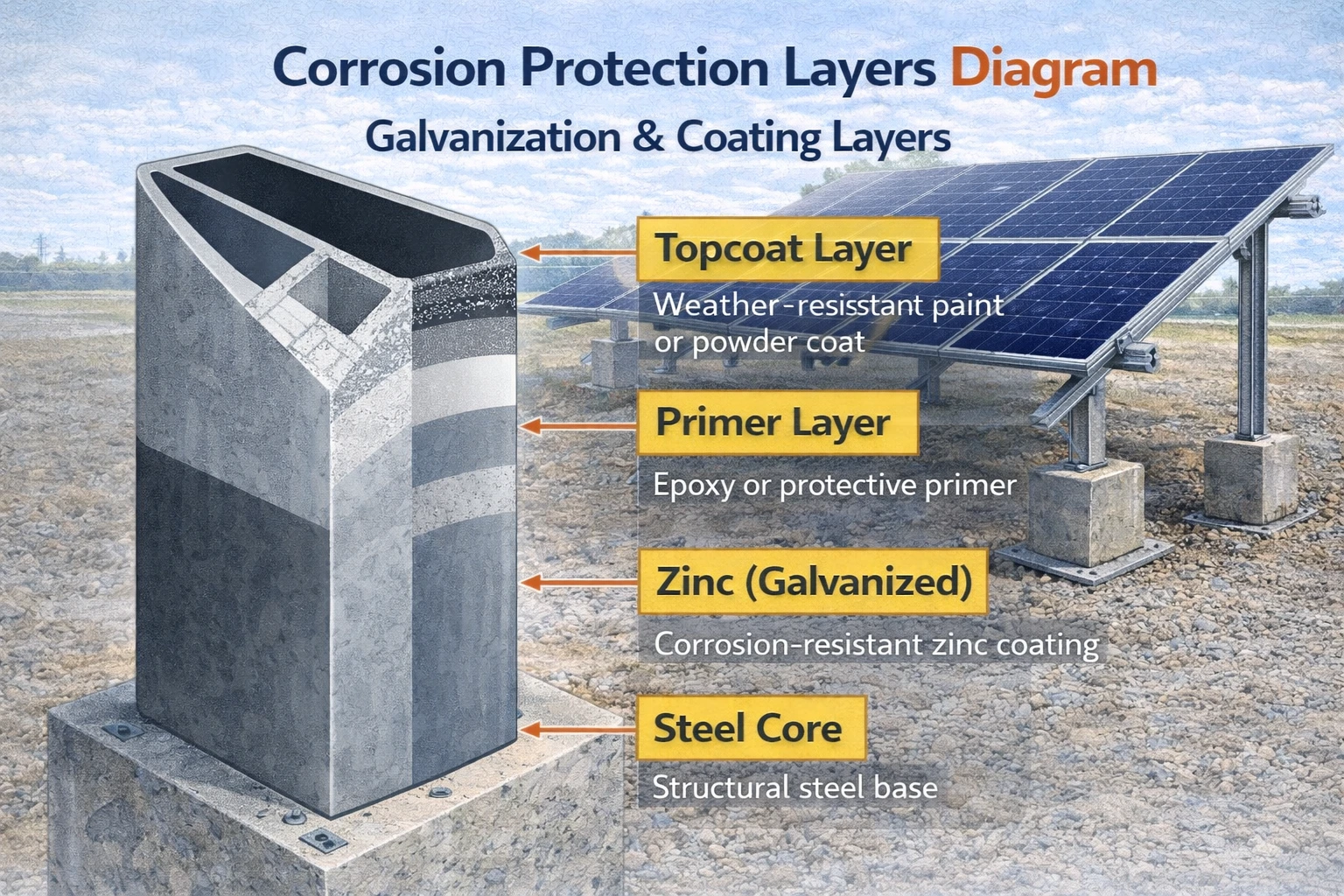
Corrosion Protection Methods
1. Galvanization
Description
Applying a zinc coating to steel components.
Benefits
- High resistance to rust
- Long-lasting protection
2. Powder Coating
Description
Applying a protective powder layer on metal surfaces.
Benefits
- Smooth finish
- Resistant to environmental damage
3. Anti-Corrosion Paint
Description
Special coatings to protect surfaces.
Benefits
- Easy application
- Cost-effective
4. Use of Stainless Steel
Description
Using corrosion-resistant materials.
Benefits
- Long lifespan
- Reduced maintenance
5. Proper Material Selection
Choosing compatible materials prevents galvanic corrosion.
Weatherproofing in Solar Installations
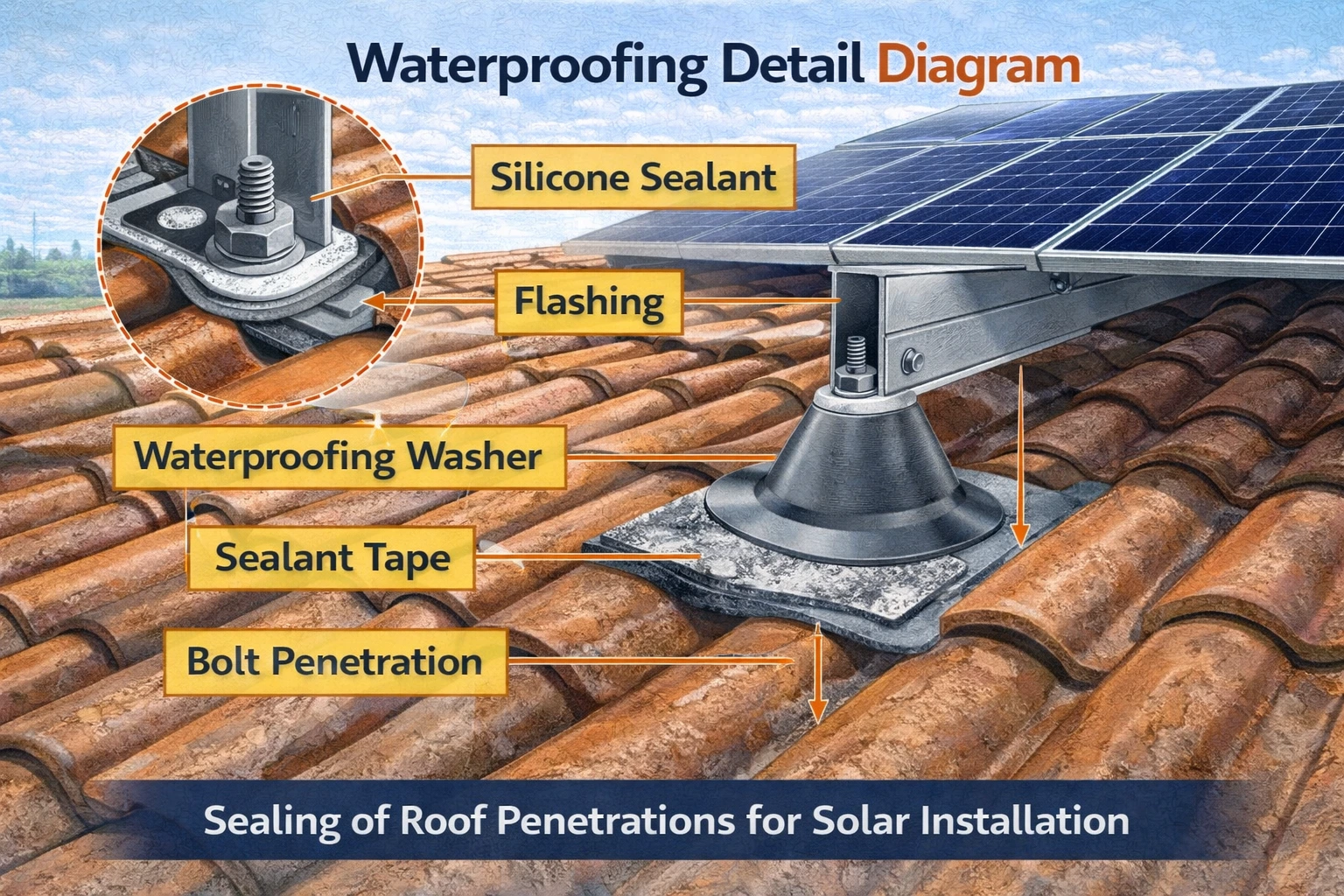
1. Waterproofing of Roof Penetrations
Seal all mounting points to prevent water leakage.
2. Cable Sealing
Use proper glands and sealants to prevent water ingress.
3. Junction Box Protection
Ensure IP-rated enclosures for electrical safety.
4. Drainage Management
Ensure proper water flow to avoid accumulation.
5. Protection of Electrical Components
Use weatherproof enclosures and covers.
Steps to Apply Corrosion Protection & Weatherproofing
Step 1 – Site Assessment
Evaluate environmental conditions such as humidity and pollution.
Step 2 – Select Appropriate Materials
Choose corrosion-resistant materials and coatings.
Step 3 – Apply Protective Coatings
Use galvanization, paint, or powder coating.
Step 4 – Seal All Openings
Seal:
- Roof penetrations
- Cable entry points
Step 5 – Install Weatherproof Components
Use IP-rated junction boxes and connectors.
Step 6 – Inspect and Test
Check for gaps, leaks, and coating defects.
Step 7 – Regular Maintenance
Inspect periodically to ensure protection remains effective.
Impact on Solar Panel System Cost
Proper protection helps:
- Reduce maintenance costs
- Extend system lifespan
- Improve efficiency
- Optimize cost of solar per kWh installed
Neglecting protection increases solar energy installation cost over time.
Conclusion
Applying corrosion protection and weatherproofing is a critical step in solar PV installations to ensure durability, safety, and efficiency. By using appropriate materials, applying protective coatings, and sealing all vulnerable points, installers can prevent seepage and structural damage.
Environmental protection measures are essential for reliable solar installations. Additionally, adherence to standards set by the Ministry of New and Renewable Energy ensures safety and performance.
With proper protection practices, solar professionals can optimize solar panel system cost, enhance solar electricity generation, and support sustainable solar energy for home use and large-scale renewable solar solutions.
FAQs
Q1. Why is corrosion protection important in solar installations?
Ans: It prevents rusting and ensures long-term durability of components.
Q2. What are common methods of corrosion protection?
Ans: Galvanization, powder coating, anti-corrosion paint, and stainless steel usage.
Q3. How is weatherproofing achieved in solar systems?
Ans: By sealing roof penetrations, cable entries, and using weatherproof enclosures.
Q4. What happens if weatherproofing is ignored?
Ans: It can lead to water leakage, damage, and reduced system performance.
Q5. Does corrosion protection affect solar panel system cost?
Ans: Yes, it reduces maintenance and long-term costs.
Optimizing Solar Layout for DC Combiner Box Placement
A complete guide to choosing the best location for DC combiner box placement to improve safety, cable routing, and solar system efficiency.
Important Factors Deciding the Type of Solar PV System to be Installed
A solar site assessment helps installers evaluate location, shading, structure, and energy requirements before installation. This guide explains the essential steps for accurate solar system planning.
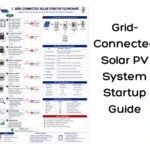
Grid-Connected Solar PV System Startup Guide
A complete guide to starting up a grid-connected solar PV system, including commissioning, grid synchronization, electrical safety checks, and operational verification.
Researchers Propose New Way to Make Nuclear Power Plants Safer
Researchers propose innovative methods to enhance the safety of nuclear power plants, aiming to reduce risks and improve operational security.
1 MW Solar Plant Cost in Haryana | A Complete Guide
Planning a 1 MW solar power plant in Haryana? This guide covers complete 2025 cost details, subsidy schemes, ROI, and savings potential for industrial users.

Photovoltaic Power Output Explained: A Practical Guide for Homes & Businesses
Photovoltaic power output determines how much electricity a solar system can generate. This simple guide explains PV output, how it is calculated, and what it means for homes and businesses planning to go solar.

PM Surya Ghar Muft Bijli Yojana 2025: Online Registration Made Simple
PM Surya Ghar Muft Bijli Yojana 2025: Learn how to register online and get free electricity under this government scheme.
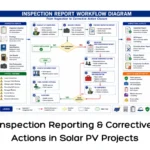
Inspection Reporting and Corrective Actions
A complete guide to preparing solar PV inspection reports and implementing corrective actions to ensure quality, compliance, and project performance.