
Solar PV Procurement Process Guide for EPC & Installers | Step-by-Step
A well-planned procurement process is critical for the success of any solar PV project. This guide explains step-by-step how EPC companies and installers can efficiently source solar panels, inverters, and balance of system components while ensuring quality, cost-effectiveness, and timely delivery.
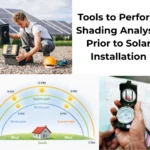
Tools to Perform Shading Analysis Prior to Solar Installation
A solar site assessment helps installers evaluate location, shading, structure, and energy requirements before installation. This guide explains the essential steps for accurate solar system planning.
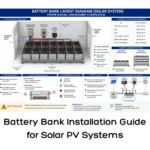
Battery Bank Installation Guide for Solar PV Systems
A step-by-step guide to battery bank installation for solar PV systems, covering location planning, battery setup, and safety requirements.
How Quickly Can Solar Panels Pay for Themselves? Payback Period Explained
Learn how the solar panel payback period works, factors that affect ROI, and how soon you can recover your solar investment.

Introducing the ESS-2000-24V Hybrid Solar Inverter: Smart Power for Modern Homes & Businesses
The ESS-2000-24V Hybrid Solar Inverter delivers intelligent power management for homes and businesses. With advanced solar charging, lithium battery support, and seamless backup, it ensures uninterrupted, efficient, and clean energy for modern users.
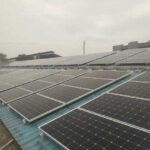
Delhi Jal Board Solar Project: A Step Towards Sustainable Energy
Delhi Jal Board has embraced solar power, becoming a leader in renewable energy adoption. This initiative highlights the benefits of solar energy, including cost savings, sustainability, and promoting clean energy practices in institutional operations.
6 Upcoming Renewable Energy Events in India You Should Attend
The World Environment Expo, 2022 is a business platform that allows national and international equipment
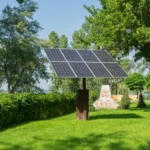
Solar Power Park Scheme: Central Government Expands Clean Energy Initiative
The Union government plans to launch the second phase of a dedicated program to develop solar parks across the country that will aim to plug loopholes and overcome slow progress.