
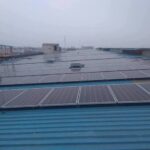
Net Metering and its Advantages
Net metering is a system of control. Its purpose is to maintain checks and balances specifically for those who have solar heating panels on their roofs. It is also a net preserver of energy usage. This means that homeowners are in a position to monitor and control the amount of energy they use during the day or at night. Sometimes, when you’re away and solar energy is not being used, your home may generate extra electricity using solar energy.
You can buy some expensive batteries to store that extra energy to use at night but there’s another option to send extra power produced back to the grid and that’s what we call net metering.
Net metering allows solar energy customers to receive a credit for the electricity they generate. When you use solar panels to produce electricity at home, you may generate more power than your house needs during the day. If your home is equipped with net metering, you can export extra energy to the grid and get credits that can be used when you need them. Net metering ensures the energy you generate at home doesn’t go to waste.
According to SEIA (Solar Energy Industries Association), “Net metering allows residential and commercial customers who generate their own electricity from solar power to feed electricity they do not use back into the grid. Many states have passed net metering laws. In other states, utilities may offer net metering programs voluntarily or as a result of regulatory decisions.“
These are some features of Net Metering:-
- Consumers can generate their own energy at any time of the day
- Solar energy can be used even at night
- Energy not used in a month can be rolled over to be used in the next month
- Solar power can be used during winter months when there is little or no sunlight. For example, a Northern European region has very few sunlight and daylight hours during the summer. It is still possible to store solar power during winter months when there is no daylight at all.
Some advantages and disadvantages of Net Metering are as follows:-
Advantages of Net Metering
- Reduced electricity bills
- Benefits for the environment
- No need to install an expensive battery storage system
- Take some pressure off electric grids
- Encourages customers to move towards renewable energy
- Preserves natural energy resources
Disadvantages of Net Metering
In many parts of the world, governments or localized municipal authorities remain resistant to the net metering monitoring process because it impacts negatively their ability to collect revenue from tax and/or ratepayers. To compound matters, many developing nations where this problem is prevalent, they are still dealing with issues related to illegal connections in informal settlements.
- The revenue collected is not utilized effectively to provide housing for citizens living in informal settlements.
- Authorities remain resistant to consumers’ rights to power usage as needed.
- Because net metering systems are not fully regulated, it is not always easy for consumers to access these.
- By not allowing access, the costs of acquiring electricity remain excessive for consumers.
Net metering allows utility customers to generate their own electricity cleanly and efficiently. During the daytime, most solar panels produce more electricity for households or industries than they consume. Net metering allows them to export that power to the grid and reduce their future electric bills.
Net metering also provides substantial economic benefits in terms of jobs, income, and investment. Net metering increases the demand for solar energy, which in turn creates jobs for the installers, electricians, and manufacturers who work in the solar supply chain. Today, the solar industry employs more than 230,000 workers in the industry in large part due to strong state net metering policies which have allowed the solar industry to thrive.
Suggested Articles

Rooftop Solar: Reduce Your Electricity Bill and Increase Savings
Discover how installing a rooftop solar system can help you save on electricity bills, reduce peak demand charges, and take advantage of government incentives.
Understanding Solar Cells and Modules: A Complete Guide
Understand solar cells and modules, their functioning, and advantages for residential and commercial solar installations.

Sustainable Solar Panel Disposal: Recycling for a Greener Future
Sustainable solar panel disposal ensures old or damaged panels are recycled responsibly, reducing waste and environmental harm. By adopting eco-friendly recycling and reuse practices, we can recover valuable materials, lower carbon impact, and make solar energy truly sustainable from installation to end-of-life.
How Installers Cut Costs on Solar PV Module Mounting Structures
Solar PV mounting structures can significantly impact project cost. Explore how expert installers optimize design, materials, and labor to achieve safe, durable, and cost-effective solar installations
Solar Panel Efficiency and Temperature: What You Need to Know
The stronger the sun, the higher the temperature and more energy your solar panels produce, right? No.

The Rise of Clean Energy: Solar Energy Trends in 2023
The solar energy industry is on the rise, as the demand for clean and renewable energy sources continues to increase. 2023 is shaping up to be a big year for the solar energy sector, as new technologies and innovations are expected to drive growth and expand the reach of solar energy.
How a String Monitoring Box Works in Residential Solar Systems
Understand how a string monitoring box helps track and protect your home solar panels for maximum efficiency and safety

Fire Hazard in a Solar Setup at Rice Mill, Kaithal – Case Study and Safety Insights
A recent fire incident at a rice mill in Kaithal highlights the critical importance of safety in solar installations. This case study analyzes the root causes, system faults, and preventive actions that can help industries avoid similar hazards in their solar setups.