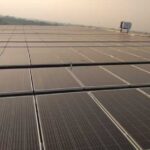
Solar Rooftop Projects: Benefits of Intentional Islanding for Power Backup
Intentional Islanding in solar
Intentional Islanding in solar occurs when a solar rooftop system continues to supply to a load even when the grid is down; this can be very dangerous. Therefore, when the grid is down, the inverter, used in the rooftop system solar power plant for generating solar energy for home/industrial/commercial roof top, stops supplying power.
Intentional Islanding in solar is a technical requirement for inverters strictly mandated by CEA and MNRE. However, in view of frequent grid outages in most States, particularly in industry, commercial and institutional establishments, the rooftop system should be able to disconnect from the grid. Thus system should supply continuously solar power to the loads of such establishments using a battery storage system or in synergy with the backup diesel generator. Otherwise, the solar power will be wasted.
Intentional Islanding in Solar Option 1
Intentional Islanding in solar is possible through additional advanced features to be provided in inverters. The hybrid inverter which could work in the off-grid mode and continue to charge batteries with generated power. The inverter can continue to function in grid-tied mode in synergy with the larger backup diesel generator.
Intentional Islanding in Solar Option 2
Generally, for most industrial, commercial and institutional establishments, the second option is more feasible as they have large existing backup diesel generators for their loads. Such backup facilities already have the required safety features which prevent reverse flow to the grid.
Rooftop solar with the right type of inverter is, therefore, technically feasible even when the grid is down, and can also be more cost-effective compared to costlier diesel generation.
For harnessing the full potential of rooftop solar as envisioned by Government, CEA and MNRE should consider allowing such ‘intentional islanding in solar’ rooftop projects. They should formulate technical specifications of inverters with such additional advanced features for automatic and safe operation.
Ref: Grid Integration of Distributed Solar Photovoltaics (PV) in India, Prayas Energy Group, 2014
Suggested Articles

Poor vs Good Solar Installation: Key Differences Explained
A solar system’s performance depends heavily on installation quality. This blog explains the clear differences between a poor and good solar installation — from wiring practices and panel alignment to mounting structures and system safety — helping you make an informed choice and ensure long-term efficiency.

Maintenance Of Solar Power Plant in India: Everything You Need to know
Proper maintenance is key to maximizing the efficiency and lifespan of solar power plants in India. Learn essential tips, best practices, and common maintenance tasks.

500 kW Rooftop Solar for Industries in India: Complete Guide 2026
A complete guide to 500 kW solar for industries covering installation cost, energy generation, ROI, savings, and why it is a smart business investment.

Renewable Energy Hits New Heights: 440 GW Capacity in 2023
Learn how global renewable energy capacity is set to surpass 440 GW in 2023, marking record growth and a major shift toward clean, sustainable power.

How to Clean and Maintain Solar Power System for Maximum Efficiency
Regular cleaning of your solar power system is essential to maintain maximum efficiency and energy output. Dust, bird droppings, and pollution can reduce performance by up to 20%. This blog explains the right cleaning methods, schedules, and safety tips for residential, industrial, and commercial solar systems.

New IREDA Loan Scheme for Solar Rooftop Projects: Benefits, Eligibility & Interest Rates
India’s renewable energy push gets a major boost with the new IREDA loan scheme for solar rooftop projects. This scheme offers low-interest financing, simplified approvals, and better support for residential, commercial, and industrial consumers. Here’s a detailed look at its benefits, eligibility, interest rates, and how to apply for funding.

Top 10 Sustainable Building Practices to Consider for Your Construction Business
The construction industry is embracing sustainability like never before. From smart design to renewable energy use, these top 10 practices ensure businesses stay competitive, compliant, and environmentally responsible.

Benefits of Site Survey in Solar PV Installation
Shadow analysis is a critical step in solar site assessment. It helps solar installers identify shading obstacles and optimize panel placement for maximum energy generation.