Solar Rooftop Projects: Benefits of Intentional Islanding for Power Backup
Intentional Islanding in solar
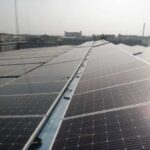
Intentional Islanding in solar occurs when a solar rooftop system continues to supply to a load even when the grid is down; this can be very dangerous. Therefore, when the grid is down, the inverter, used in the rooftop system solar power plant for generating solar energy for home/industrial/commercial roof top, stops supplying power.
Intentional Islanding in solar is a technical requirement for inverters strictly mandated by CEA and MNRE. However, in view of frequent grid outages in most States, particularly in industry, commercial and institutional establishments, the rooftop system should be able to disconnect from the grid. Thus system should supply continuously solar power to the loads of such establishments using a battery storage system or in synergy with the backup diesel generator. Otherwise, the solar power will be wasted.
Intentional Islanding in Solar Option 1
Intentional Islanding in solar is possible through additional advanced features to be provided in inverters. The hybrid inverter which could work in the off-grid mode and continue to charge batteries with generated power. The inverter can continue to function in grid-tied mode in synergy with the larger backup diesel generator.
Intentional Islanding in Solar Option 2
Generally, for most industrial, commercial and institutional establishments, the second option is more feasible as they have large existing backup diesel generators for their loads. Such backup facilities already have the required safety features which prevent reverse flow to the grid.
Rooftop solar with the right type of inverter is, therefore, technically feasible even when the grid is down, and can also be more cost-effective compared to costlier diesel generation.
For harnessing the full potential of rooftop solar as envisioned by Government, CEA and MNRE should consider allowing such ‘intentional islanding in solar’ rooftop projects. They should formulate technical specifications of inverters with such additional advanced features for automatic and safe operation.
Ref: Grid Integration of Distributed Solar Photovoltaics (PV) in India, Prayas Energy Group, 2014
Suggested Articles

UP Electricity Tariff Increase 2015-16: Rates Rise by Rs 0.40–1.00 per Unit – What Consumers need to know
Uttar Pradesh has increased electricity tariffs for 2015-16, ranging from Rs 0.40 to 1.00 per unit. This update explains the revised rates, the sectors affected, and what consumers need to know about the tariff hike.

India and IMT-GT JBC Sign MoU to Boost Energy Efficiency in Southeast Asia
The first meeting of the G20 Energy Transitions Working Group was held in Bengaluru, India, and was a success, with participants sharing a consensus on the priority areas of energy security and diversified supply chains.

Are Solar Panels 12V or 24V? Understanding Solar Panel Voltage Clearly
Solar panel wattage and ratings decide how much electricity you generate. This guide explains panel output, efficiency, and how to choose the right solar panel for your needs.

1MW Solar Power Plant Construction Cost & Profit in India
Choosing the right industrial solar EPC is critical for plant performance and ROI. This guide explains how Indian industries can select the best solar EPC partner.

Rooftop Solar Installation Cost in India: Complete 2026 Guide for Homes and Businesses
This 2026 guide explains the rooftop solar installation cost in India for homes and businesses. Learn price per kW, subsidies, ROI, payback period, and factors affecting system cost.

How to Calculate PV Power Output? Step-by-Step Guide
Calculating PV power output helps you estimate how much electricity a solar system can generate. This step-by-step guide explains the PV power output formula, examples, and key factors affecting solar energy production.

How to Safely Install Solar Panels on Metal and Asbestos Rooftops
Discover how solar systems can be installed on metal sheds and asbestos roofs, making factories more energy-efficient and sustainable

Civil Structural General Arrangement (GA) Drawing in Solar Projects: Complete Design & Layout Guide
A Civil Structural General Arrangement (GA) drawing in solar projects is a detailed layout that defines the placement of solar modules, mounting structures, inverters, and civil foundations. It plays a crucial role in ensuring accurate design, optimal space utilization, and smooth execution of both rooftop and ground-mounted solar installations. This guide explains the key components, design considerations, and best practices for creating effective GA drawings in solar EPC projects.