

100 kW Solar Power Plant in Indore – Latest Cost, Subsidy & Payback Period
A 100 kW solar plant in Indore costs around ₹40–55 lakh in, offering annual savings of up to ₹10 lakh and a payback period of 4–6 years. Learn about installation, maintenance, and ROI to make your solar investment worthwhile.
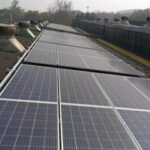
Complete Guide to Rooftop Solar Components for Industries
A rooftop solar system for factories typically includes solar panels, inverters, mounting structures, wiring, and monitoring systems. Additional components like net meters and energy storage may also be installed to optimize energy usage and track performance
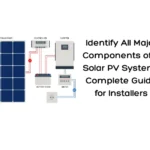
Identify All Major Components of a Solar PV System: Complete Guide for Installers
Understand all major components of a solar PV system, from panels and inverters to mounting structures and BOS. This complete guide helps installers design efficient and reliable solar power systems.
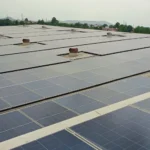
How Installers Cut Costs on Solar PV Module Mounting Structures
Solar PV mounting structures can significantly impact project cost. Explore how expert installers optimize design, materials, and labor to achieve safe, durable, and cost-effective solar installations
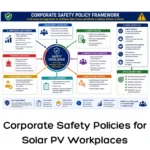
Corporate Safety Policies for Solar PV Workplaces
A complete guide to establishing and following safe work procedures in solar PV systems, ensuring worker safety during installation, testing, commissioning, operation, and maintenance.
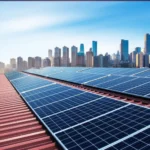
India and Japan Strengthen Renewable Energy Cooperation
India and Japan have initiated a partnership under the Asia Energy Transition Initiative (AETI) to support India’s clean energy transition. India has set an ambitious target of achieving net-zero by 2070, while Japan aims to achieve the same by 2050.

Are Solar Panels 12V or 24V? Understanding Solar Panel Voltage Clearly
Solar panel wattage and ratings decide how much electricity you generate. This guide explains panel output, efficiency, and how to choose the right solar panel for your needs.
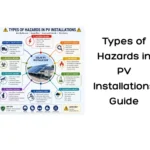
Types of Hazards in PV Installations Guide
A complete guide to the types of hazards in PV installations, covering electrical, mechanical, fire, chemical, environmental, structural, and workplace safety risks.