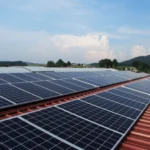
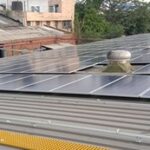
With Haryana’s new policies for renewable energy and solar energy, net metering is a new concept among both households and businesses. The state is edging towards more sustainable alternatives with increased solar panel in rooftop installations and more farmers adopting hybrid energy setups.
With net metering, users can feed the excess electricity generated back into the grid. This also reduces the monthly bills and encourages self-dependence among the consumers.
With the rising cost of thermal power and the state’s aim to move to a more decentralized solar electricity, net metering panel sounds more relevant. In this blog, we’ll be diving into the core concepts of net-metering and how it is beneficial for both houses and commercial properties.
What is Net-Metering?
Net metering is a system that allows users to generate their own electricity through solar panels and send back the leftover power back to the grid. When the solar panels produce more electricity than consumption, the extra units flow back into the grid and the meter records it as a credit.
On rainy or cloudy days, as the solar panel area per kw generates less electricity, our meter then can use the earlier produced excess power, from the grid. The company subtracts the electricity supplied from the electricity used, and then you pay for the remaining “net” amount. This is why the concept is called “net metering”.
It also lowers the electricity bills. If the system generates more electricity than the total consumption over the billing cycle, credits can be carried forward in the next month.
For consumers, it gives them more control over energy costs and a chance to contribute to the state’s renewable energy technology targets. For the grid, it is an additional green energy with low infrastructure costs. It is a win-win model, as it is environmentally practical and simultaneously empowers homeowners and businesses.
How Does It Work?
Net metering uses a bi-directional meter that measures both the amount of energy exported and the amount of energy imported. As the extra electricity is sent back to the main grid, it can be drawn back at times of cloudy or rainy days. As the smart meter records both the amounts, the net reading is received in the electricity bills.
The net reading is used to calculate the actual amount to be paid. If the amount of power sent than used is more, then you’ll receive credits, which reduces future bills. If the amount of consumption is more than the amount of production, one will only have to pay the difference. The entire process is handled by the electricity distribution companies, referred to as DISCOMs, to ensure accuracy and transparency.
To get started, the solar panel in rooftop system should be connected to the grid and approved for net metering panel by the local DISCOM. Everything runs automatically and one can continue using electricity, but with an added benefit of sustainability.
Benefits of Net Metering
With the introduction of Net metering, cost cutting is not the only benefit. Let’s skim through how users can benefit from this scheme.
1. Reduces Electricity Bills
Net metering allows solar users to send excess power back to the grid. This difference gets adjusted to their electricity usage, significantly lowering monthly bills, making solar energy economical.
2. Credits from Discoms
When your solar system generates more power than you consume, the extra units are credited to the account. These credits can be used in the upcoming billing cycles, helping households and businesses save even more.
3. Renewable Energy Technology Adoption
Net metering panel encourages more people to install solar panels by offering a ROI. This will help India, shift towards sustainable energy and help reduce the country’s carbon footprint.
4. No Need for Energy Storage
With net metering, there’s no need to invest in expensive batteries. The grid is similar to a virtual storage system, which allows you to draw power when needed and feed excess when not in use.
5. Increases Grid and Energy Efficiency
As more users generate solar power and contribute to the grid, the demand for centralized power plants decreases. This boosts energy availability in remote areas.
Conclusion
Net metering has opened up new gateways to affordable and sustainable energy across Indian states. With recurrent policies and increasing awareness, we may achieve the ultimate goal by 2030.
Whether you’re looking to cut down on your electric bills or take a step toward a greener lifestyle, Smart Roof Solar is here to guide you. From site assessment to installation and net metering panel assistance, we’re expert in all.
FAQs
Q1. Is there a minimum size requirement for installing a solar system under net metering?
Ans: Most Indian states have a minimum capacity requirement of 1 kW for net metering panel. However, the exact limit may vary based on local DISCOM policies.
Q2. Can I install a net-metered system in an apartment building?
Ans: Yes, but it usually needs to be a common rooftop installation shared among residents. Permissions and billing may vary based on your state’s group housing net metering policy.
Q3. How long does the net metering approval process take in India?
Ans: The process generally takes 30 to 90 days after submitting all documents. Delays may occur due to DISCOM backlogs or technical feasibility checks.
Q4. Does net metering work during power outages?
Ans: No, net-metered systems shut off automatically during outages as a safety measure. To access power during such times, a hybrid system with batteries is required.
Q5. Are there any government subsidies for installing solar with net metering panel?
Ans: Yes, the Indian government offers central financial assistance (CFA) of up to 40% for subsidized solar panel for home under the PM Surya Ghar: Muft Bijli Yojana.