
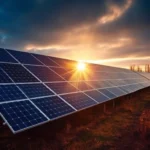
How to Improve Energy Efficiency and Save Electricity Costs
With the ever growing temperatures and the persistent humidity, ACs have become a necessity today; as have the room heaters with the chilling temperatures of winters.
And while these make living easier, they do increase the cost of living. The ever increasing electricity rates don’t help the bills either.
There sure are the green methods to lower the electricity bills, for e.g., LED light sources, the energy efficient appliances, and the latest, solar power; and then there are also some easy tricks and minor adjustments in the way we use our appliances which can help cut down the energy costs. These don’t require an immediate big change or investment, and yet help cut down on the costs.
- Air Conditioners: Ensuring properly clean and dust/blockage free vents ensure better cooling n lesser power consumption.
- Washing Machines: Ideally, the machine can be packed with as many clothes as can fit in, but practically, that is not advisable. Especially if the drier has to be used later. The drier seems to work better with about 20-25% lesser load. That ensures better cleaning/drying, and no over-loading of the machine too. As far as possible, washing the clothes in cold water reduces the power requirements. Heating the water in the machine, tends to use the maximum energy. Washing with cold water also has the advantage of lesser probability of colour running off of the clothes.
- Computers and TV set: Always powered on computers, TVs, music systems and phone chargers contribute a lot of unaccounted units in the bills. Ensuring to switch them off when not in use, definitely cuts down at least a small portion of the bill.
- Setting sleep mode and hibernate, to reduce the power consumption during inactive periods, is also a great help.
- Screensavers, as beautiful as they look, unlike the general perception, don’t save energy, instead, they use more. Setting off the monitor after a few minutes of being idle, is a wiser choice with respect to power saving.
- Unplug: Though we don’t realise it, but unplugging the devices that are seldom used, can actually save us a bit.
- Ovens: Peeking inside the oven frequently, lets out the heat, causing more power consumption for the same amount of cooking.
- Dishwashers: By the same logic as washing machine, turning down the heat to minimum required would help save some energy consumption.
Also stacking up the dishwasher efficiently increases the efficiency, and reduces the power consumption for reruns.
Suggested Articles

Solar Microgrid Solutions: Smart, Reliable & Scalable Power Systems
Solar microgrid solutions provide smart, reliable, and scalable power by integrating solar energy, battery storage, and intelligent control systems. These systems ensure uninterrupted electricity for industries, campuses, communities, and remote locations while reducing grid dependency and energy costs.
Higher Electricity Bills in Haryana as Fuel Surcharge Rises
Haryana consumers are facing higher electricity bills after the Haryana Electricity Regulatory Commission (HERC) approved a fuel surcharge hike for DHBVN and UHBVN areas. The increase reflects rising fuel and power purchase costs, directly impacting domestic, commercial, and industrial users across the state.
Why Go Solar: A Complete Guide to Solar Power for Homes and Industries
Switching to solar energy offers significant savings and environmental benefits. This guide explains why going solar is a smart choice, covering financial incentives, reduced electricity bills, and positive impacts on the planet.
Different Components of a Solar PV System: Importance and Operation
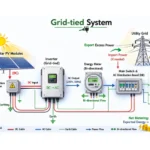
Earthing and lightning protection are critical safety components in solar PV installations. This guide explains their importance, types, components, and best practices for solar installers.
India and Japan Strengthen Renewable Energy Cooperation
India and Japan have initiated a partnership under the Asia Energy Transition Initiative (AETI) to support India’s clean energy transition. India has set an ambitious target of achieving net-zero by 2070, while Japan aims to achieve the same by 2050.
How to Calculate PV Power Output? Step-by-Step Guide
Calculating PV power output helps you estimate how much electricity a solar system can generate. This step-by-step guide explains the PV power output formula, examples, and key factors affecting solar energy production.

Solar Sector Growth in India Slows as Investments Decline in Q1 2023
India’s solar sector experiences an investment slowdown in Q1 2023, reflecting challenges in funding and growth for renewable energy projects.
How to Maintain Solar Power System for Homes, Industries & Commercial Buildings
A solar power generating system converts sunlight into electricity for residential, industrial, and commercial use. This blog explains the components, working, and benefits of solar systems, helping you understand how to harness solar energy efficiently and sustainably.