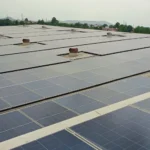
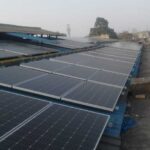
The world is steadily shifting towards renewable solar energy, and eco-friendly solar panels are taking the lead. These next-gen panels eliminate harmful materials like cadmium and focus on reducing the carbon footprint during manufacturing. Whether for homes or commercial setups, they promise better performance, longer life, and a cleaner planet.
If you’re planning a solar installation in Haryana or anywhere across India, understanding the benefits and evolving technology behind eco-friendly panels can help you make a smart, sustainable choice.
Environmental Impact of Eco-Friendly Solar Panels
Traditional solar modules, though sustainable in use, often rely on energy-intensive manufacturing that emits greenhouse gases. Eco-friendly solar panels change that narrative. By removing cadmium and lead, these panels minimize toxic waste, improve recyclability, and cut down energy consumption during production.
In India, where both solar energy for home use and industrial power are on the rise, these cleaner alternatives are vital. They contribute significantly to reducing carbon emissions — a key step toward the nation’s goal of net-zero energy.
Smart Roof Solar promotes panels with low carbon footprints, ensuring every solar installation cost per kWh translates into environmental good.
Energy Efficiency and Performance
Eco-friendly solar panels are not just cleaner, they’re more efficient. With advanced photovoltaic cell design and anti-reflective coatings, they generate higher output even under cloudy conditions.
For both home roof solar panels and C&I solar installations, these panels deliver better performance per square foot of solar panel area per kW. That means lower electricity bills and faster payback on the solar energy installation cost.
Today’s renewable energy technology integrates AI-based monitoring systems, optimizing solar output in real-time to maximize returns from every installed unit.
Consumer Preferences and Market Trends
The global shift toward sustainability has influenced how consumers choose their energy sources. Modern users want panels that are durable, ethical, and efficient. As a result, eco-friendly panels are becoming the preferred choice across residential and commercial projects.
Governments are also supporting this move through various incentives, such as the Government Solar Subsidy Scheme, which makes subsidised solar panels for home installations more accessible. The demand for solar panels on rooftops has surged, with homeowners comparing the average cost of solar panels on a house and opting for sustainable models that promise long-term savings.
Smart Roof Solar stays ahead of these market trends by offering panels that combine aesthetics with performance, perfect for anyone looking to invest smartly in renewable solar energy.
Key Characteristics of Eco-Friendly Solar Panels
Let’s dive deeper into the main characteristics that make eco-friendly solar panels the future of renewable energy and solar energy:
1. High Efficiency
Innovations in solar cell materials allow for greater sunlight absorption and minimal reflection loss. These panels can deliver higher kWh per square meter, optimizing the cost of solar panels and overall solar electricity output.
2. Durability and Longevity
Enhanced protective coatings and corrosion-resistant frames help eco-friendly panels last over 25 years with minimal maintenance. This means the total cost of solar installation yields value over decades, especially for solar plant setups in different high-temperature zones.
3. Low Carbon Footprint
From manufacturing to end-of-life recycling, these panels are designed with sustainability in mind. They significantly cut down emissions compared to conventional panels, aligning with India’s renewable goals.
4. Optimized Design and Installation
With lighter materials and modular designs, installation becomes easier and quicker, reducing labor and solar roof installation cost. Smart Roof Solar’s expert team ensures every solar panel system cost remains competitive while maintaining top-tier quality.
5. Integrated Energy Storage
Eco-friendly systems increasingly integrate with smart batteries to store excess energy, ensuring consistent power even during outages. This enhances savings on the solar installation charges and contributes to grid independence.
6. Innovative Technologies
Cutting-edge innovations like bifacial cells, perovskite coatings, and recyclable glass modules are transforming solar into a truly renewable energy technology. These advancements reduce solar module price per watt, making solar energy economical for everyone.
The Future of Eco-Friendly Solar in India
India’s solar mission aims to make solar energy installation cost affordable and accessible for all. With eco-friendly panels leading the way, the focus is shifting from quantity to quality — cleaner production, better performance, and longer sustainability.
Whether it’s reducing the home roof solar panels or enhancing the output from industrial solar setups, eco-friendly technology ensures that every watt produced contributes to a greener tomorrow.
Smart Roof Solar remains committed to promoting renewable solar solutions that combine performance, aesthetics, and sustainability, because the cleanest energy is also the smartest investment.
Conclusion
Eco-friendly solar panels aren’t just about saving money; they’re about saving the planet. They ensure that your solar electricity is both powerful and planet-friendly. So, if you’re considering making the switch to solar energy for home use, now’s the time.
Contact Smart Roof Solar today to explore cost-effective, eco-friendly solar installation options and experience how renewable solar energy can power your future, responsibly and affordably.
FAQs
Q1. Are eco-friendly solar panels more expensive than traditional ones?
Ans: Not necessarily, while initial costs can be similar or slightly higher, long-term savings and subsidies make them cost-effective.
Q2. Are there subsidies for eco-friendly solar panels in India?
Ans: Yes, government schemes often apply regardless of panel type, especially for residential rooftops.
Q3. Can eco-friendly panels be used for commercial or industrial projects?
Ans: Yes, they’re ideal for both residential and large-scale commercial installations.
Q4. What’s the typical payback period for an eco-friendly solar system?
Ans: Usually between 3-5 years, depending on system size, usage, and location.
Q5. Do eco-friendly panels perform well in Indian climates?
Ans: Absolutely, they’re built for high efficiency even in high temperatures and low-light conditions common in India.