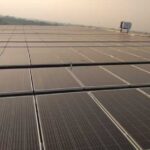
Developers fear unfair state-specific levies will make solar more expensive
Madhya Pradesh’s new levy on solar developers selling power to entities other than the state distribution companies (DISCOMs) has confirmed the industry’s fear that more states are formulating laws to squeeze solar projects through state-specific levies. The state has announced a Harit Urja Vikas fee of Rs. 0.10/kWh on electricity sold to non-DISCOM consumers. This fee will be applicable to all renewable energy projects with consumers outside Madhya Pradesh. Additionally, in the case of open-access projects, the levy will apply to the entire electricity generated by projects.
Madhya Pradesh’s levy goes a step further in scope than Rajasthan, which imposes a cess between Rs. 200,000 and Rs. 500,000 per MW annually on developers for supplying power to utilities other than DISCOMs in Rajasthan. While the Rajasthan levy is effective on DISCOMs of other states, the green energy levy in Madhya Pradesh will also be borne by commercial and industrial units (C&I) located within the state and procuring solar power through open access.
A developer stated that other states would also start looking at solar projects as an easy and attractive source of revenue. “The Madhya Pradesh fee is akin to the state shooting itself in the foot as its domestic C&I base will suffer due to more expensive solar power.” Another developer specializing in solar open-access projects mentioned that “the Rs. 0.10/kWh levy will not make projects unviable but will surely eat into the profits. Also, the question is not about how it will affect captive or third-party projects but the fairness of imposing such fees. This goes against the growth and development of the renewables sector.”
Over the past few years, C&I consumers all across the country have moved towards renewable energy, especially solar energy, as it has provided meaningful savings in energy costs. By going green, C&I units have gained more credibility and attracted fresh business while being able to secure loans at a reasonable rate as well.
The suite of fees imposed by DISCOMs is adding pressure on developers by cutting into their profits and potentially increasing the cost of projects. States must ensure that the growth of renewables is not hampered if they aim to contribute meaningfully to India’s renewable energy goals.
Suggested Articles

How to Improve Energy Efficiency and Save Electricity Costs
Learn how energy conservation and efficiency can help you save electricity, cut costs, and make your home or business more sustainable
The Rise of Clean Energy: Solar Energy Trends in 2023
The solar energy industry is on the rise, as the demand for clean and renewable energy sources continues to increase. 2023 is shaping up to be a big year for the solar energy sector, as new technologies and innovations are expected to drive growth and expand the reach of solar energy.

Law Change Makes It Hard to Receive Compensation for Solar Developers
A recent law change creates hurdles for solar developers seeking compensation, impacting project viability.

Photovoltaic Power Output Explained: A Practical Guide for Homes & Businesses
Photovoltaic power output determines how much electricity a solar system can generate. This simple guide explains PV output, how it is calculated, and what it means for homes and businesses planning to go solar.

Updated Rates of Solar Subsidy in Delhi: Cost, Eligibility & Benefits
Discover the latest solar subsidy rates in Delhi for 2025. This guide explains the updated costs, eligibility criteria, and benefits to help you maximize savings on your rooftop solar installation.

Renewable Energy Hits New Heights: 440 GW Capacity in 2023
Learn how global renewable energy capacity is set to surpass 440 GW in 2023, marking record growth and a major shift toward clean, sustainable power.

Everything You Need to Know About Solar PV Modules
Solar PV modules explained: how they generate electricity, their benefits, and why they’re key to renewable energy growth.

Difference Between Solar Power and Photovoltaic: Explained Simply
Total solar PV power represents the combined power output of a solar photovoltaic system. This guide explains its meaning, calculation, and how it directly impacts solar performance, efficiency, and long-term energy generation.