
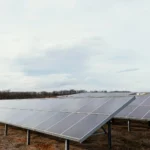
Developers fear unfair state-specific levies will make solar more expensive
Madhya Pradesh’s new levy on solar developers selling power to entities other than the state distribution companies (DISCOMs) has confirmed the industry’s fear that more states are formulating laws to squeeze solar projects through state-specific levies. The state has announced a Harit Urja Vikas fee of Rs. 0.10/kWh on electricity sold to non-DISCOM consumers. This fee will be applicable to all renewable energy projects with consumers outside Madhya Pradesh. Additionally, in the case of open-access projects, the levy will apply to the entire electricity generated by projects.
Madhya Pradesh’s levy goes a step further in scope than Rajasthan, which imposes a cess between Rs. 200,000 and Rs. 500,000 per MW annually on developers for supplying power to utilities other than DISCOMs in Rajasthan. While the Rajasthan levy is effective on DISCOMs of other states, the green energy levy in Madhya Pradesh will also be borne by commercial and industrial units (C&I) located within the state and procuring solar power through open access.
A developer stated that other states would also start looking at solar projects as an easy and attractive source of revenue. “The Madhya Pradesh fee is akin to the state shooting itself in the foot as its domestic C&I base will suffer due to more expensive solar power.” Another developer specializing in solar open-access projects mentioned that “the Rs. 0.10/kWh levy will not make projects unviable but will surely eat into the profits. Also, the question is not about how it will affect captive or third-party projects but the fairness of imposing such fees. This goes against the growth and development of the renewables sector.”
Over the past few years, C&I consumers all across the country have moved towards renewable energy, especially solar energy, as it has provided meaningful savings in energy costs. By going green, C&I units have gained more credibility and attracted fresh business while being able to secure loans at a reasonable rate as well.
The suite of fees imposed by DISCOMs is adding pressure on developers by cutting into their profits and potentially increasing the cost of projects. States must ensure that the growth of renewables is not hampered if they aim to contribute meaningfully to India’s renewable energy goals.
Suggested Articles

100 kW Solar Power Plant Cost in Haryana: The Ultimate Guide to the Best Rate Per Watt
Explore the 100 kW solar power plant cost in Haryana for 2025. Learn about pricing, government subsidy options, and how much you can save with solar energy.
Financing made easy for the Rooftop Solar Projects
Switching to solar is easier than ever with flexible financing options. This guide explains how to fund your rooftop solar project through loans, subsidies, and government schemes to make clean energy more affordable and sustainable.
Sir! Solar Mein Itna Chalta Hai!” When to Reject a Site: The Truth About Shadow Analysis
Discover the importance of solar site assessment and shadow analysis to optimize rooftop solar performance, prevent shading losses, and maximize energy generation.

500 kW Solar System Price in Haryana: Latest Cost, Benefits & Savings
Looking to install a 500 kW solar system in Haryana? Discover the latest 2025 price range, government incentives, and key benefits for commercial and industrial users. Learn how adopting solar can cut electricity bills and boost long-term savings.
Top 10 Sustainable Building Practices to Consider for Your Construction Business
The construction industry is embracing sustainability like never before. From smart design to renewable energy use, these top 10 practices ensure businesses stay competitive, compliant, and environmentally responsible.

Introducing the ESS-2000-24V Hybrid Solar Inverter: Smart Power for Modern Homes & Businesses
The ESS-2000-24V Hybrid Solar Inverter delivers intelligent power management for homes and businesses. With advanced solar charging, lithium battery support, and seamless backup, it ensures uninterrupted, efficient, and clean energy for modern users.