
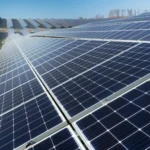
How to Clean and Maintain Solar Power System for Maximum Efficiency
After the solar panels used in solar power plant for generating solar energy for home/industrial/commercial roof top or ground mounted, are installed , the dirt starts to built up over the panels and can substantially affect system performance. It is required to be cleaned up from time to time regularly to avoid losses of solar energy. But while cleaning can enhance the system performance but wrong cleaning processes of materials used can lead to bad performance of the system. Therefore one needs to be careful in selecting the right materials , tools and processes for cleaning the solar power system. While the right materials , tools and processes are necessary , it is equally important to have trained manpower to do the job.
Given below are our recommendations for solar panels cleaning used in solar power plant for generating solar energy for home/industrial/commercial roof top or ground mounted.
Safety of workmen involved in cleaning:
Solar panels used in solar power plant for generating solar energy for home/industrial/commercial roof top or ground mounted, are connected in series and it can generate upto 1000V DC. Cracks in modules or damaged cable or joints in a string can pose serious dangerous situation for workmen involved in cleaning particularly when the modules are sprayed with water and are yet wet.
Even during early morning / late evening hrs of sunlight the array will generate lethal voltage. It is therefore important to inspect solar panels thoroughly for micro cracks, glass shield damage, and loose connections before solar panel cleaning is resorted to. workmen involved in cleaning should be made to wear appropriate electrically insulating gloves/shoes during cleaning. Or else the system should be switched off and cleaning should be done in zero sunlight hours.
Suitable Time for cleaning:
The recommended time for cleaning is when risk of electrical shock is minimum. That is when there is almost zero sunlight/ either just after sunrise or just before sunset.
Quality of water :
Soft water should be used to clean the modules. If soft water is not available, rainwater or potable tap water can be used. Water should have hardness of less than 75ppm. Water should be free of grit and particles or else we may see damage of panels over a period of time. cleaning agent: cleaning agent is not recommended but if one wishes then mild, non-abrasive, non-caustic detergent with water may be used. Alkali based or acidic detergents must not be used.
Removing spots:
Removing dead mosquitoes , dirts such as birds dropping, tar etc., use a soft sponge based wiper after spraying water over the spots and after wiping again cleaning with lots of water.
Drying:
Wipe the module surface with a little bit of pressure by hand through wiper from top to bottom to remove any residual water from the solar panels.
Water pressure:
Normal tap water pressure is enough at the cleaning end of nozzle. Use of high pressure for cleaning may damage the solar panels.
Water temperature:
Ambient temp of water is good enough for cleaning of panels and water should not be sprayed when the modules are hot to avoid thermal shocks. Or else we will have chances of developing micro cracks in the solar panels.
Suggested Articles

Group Net Metering for Solar Projects: A Smart Way to Maximize Solar Energy Generation
Discover how group net metering allows multiple participants to share solar energy from a single project, reduce electricity bills, and enhance solar efficiency.
UP Electricity Tariff Increase 2015-16: Rates Rise by Rs 0.40–1.00 per Unit – What Consumers need to know
Uttar Pradesh has increased electricity tariffs for 2015-16, ranging from Rs 0.40 to 1.00 per unit. This update explains the revised rates, the sectors affected, and what consumers need to know about the tariff hike.
COP27: Harnessing Solar Energy for a Sustainable Future
COP27 is the latest in a long line of global climate conferences, which have been held regularly since 1994. The United Nations Framework Convention on Climate Change (UNFCCC) was created at the 1992 Rio Earth Summit.
How to Fetch the BOM of a Solar PV System from Design Documents: Step-by-Step Guide for Installers & EPCs
Learn how to prepare a detailed Bill of Material (BOM) for solar PV systems using design documents like SLDs and layouts. This step-by-step guide helps installers ensure accurate material planning, reduce errors, and improve project execution.

Everything You Should Know About Solar Batteries
Discover how solar batteries store excess energy, maximize your solar system’s efficiency, and provide reliable power during outages. Learn about the types, benefits, lifespan, and maintenance tips to make the most of your solar investment.

Complete Guide To 100 kW Solar Setup Cost And Benefits In Uttar Pradesh
Planning to install a 100 kW solar power plant in Uttar Pradesh? This guide covers everything — from installation costs and available subsidies to long-term savings and payback time. Learn how investing in solar can reduce your electricity expenses and support a sustainable energy future for your business.

Sun Path Diagram for a Specific Location and Time: Solar Installer Guide
Earthing and lightning protection are critical safety components in solar PV installations. This guide explains their importance, types, components, and best practices for solar installers.
Solar Charge Controller Explained: Purpose, Need & Advantages
A charge controller is a vital component of any solar system. Learn what it does, how it works, and why a solar system cannot function safely without it.