
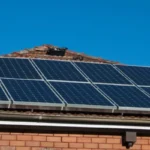
7 Common Myths about Solar Energy in India
Myths About Solar Energy in India -
Solar power is not only less expensive, but it is also the most abundant source of clean energy. Although people are much more aware of solar energies and their importance, there are still some misconceptions about solar energy. Here are some common myths about solar energy that need to be debunked in order to speed our country’s green energy adoption.
1. All solar systems keep working during power outages.
In the event of a power outage, a building powered by a grid-connected solar power system will lose power. During daytime power outages, buildings that are completely off the grid (off-the-grid) or run on a hybrid system will continue to use solar power. For 100 percent uptime, backup batteries can be connected to a grid-tied system. You’ll have power even if there’s a power outage if you install backup batteries. Your solar plant could also be connected to a DG for uninterrupted power.
2. Warmer climates are better for solar power generation.
When it comes to performance, solar panels perform efficiently in sunny, cold, and even cloudy conditions. Solar panels use the sun’s light rather than its heat to generate electricity. Solar panels lose efficiency as the temperature rises. During overcast or rainy seasons, solar panels do not totally shut off. They continue to operate at a lower efficiency level.
3. Solar panels require a lot of maintenance.
The simplest approach to keep your solar panels in proper working order is to keep them free of debris and dirt and to remove any causes of shadowing. If you have concerns about system faults or efficiency, see your system’s user manual and speak with your installer immediately for assistance.
4. Most Indians cannot afford to own a solar power system.
Many of us believe that switching to solar is a luxury and that it is only available to the wealthy. Well, this is not the case. Solar has become a viable choice for all property owners due to falling costs and the availability of attractive financing options.
5. Solar panels damage your roof.
The solar panels protect the area of the roof they cover from external influences like birds and weather. The panels themselves aren’t heavy or large enough to cause damage to the house’s roof. Solar installers are also well-trained and work with the roof’s condition to ensure the optimum fit in terms of utility and aesthetics.
6. You can’t relocate once you shift to solar power.
A person has the option of relocating at any time. When selling a home, a homeowner has two options: sell the house with the solar panels attached, which will almost certainly increase the property’s value; or detach the solar panels and reinstall them at a different location.
7. I can’t switch to solar because I don’t have my own house.
Community solar programs allow you to use solar energy if you rent your home or reside in an apartment building. Multiple people can benefit from a single, shared solar plant thanks to community-based schemes. These can be installed on-site or off-site, depending on your needs. The costs of purchasing and installing the solar energy system are then split among all of the participants.
Solar power is most effective when you make an informed decision, and getting information from reputable sources will eliminate rumors and misinformation. We hope that with this article, you now have a better understanding of the affordability and effectiveness of solar power systems. You can not only save money over time by switching to solar, but you can also lower your carbon footprint and help the environment.
For more such informative blog, check our blogs page. and head over to our LinkedIn Page for more updates on solar Industry
Suggested Articles

Industrial Solar Power: 7 Reasons to Make the Switch
Top 7 benefits of solar energy for industries, including cost savings, environmental impact, and improved energy reliability.

Complete Guide to Net Metering and Electricity Bill Savings
Learn how net metering lets you sell excess solar energy back to the grid, reducing your electricity bills and maximizing your solar investment.
Generation Based Incentive Proposed for Rooftop Solar in Haryana
Haryana plans to offer Generation Based Incentive (GBI) for rooftop solar installations, promoting clean energy adoption and reducing electricity costs for consumers.
Financing made easy for the Rooftop Solar Projects
Switching to solar is easier than ever with flexible financing options. This guide explains how to fund your rooftop solar project through loans, subsidies, and government schemes to make clean energy more affordable and sustainable.

Everything You Should Know About Solar Batteries
Discover how solar batteries store excess energy, maximize your solar system’s efficiency, and provide reliable power during outages. Learn about the types, benefits, lifespan, and maintenance tips to make the most of your solar investment.
What Is an Array Junction Box in Solar PV Modules? | Complete Guide
The Array Junction Box (AJB) is a critical component in solar PV systems, connecting multiple solar modules and ensuring safe flow of electricity to the inverter. This blog explains what an AJB is, its key features, types, and why it is essential for both residential and commercial solar installations. Understand how AJBs protect your system from overload, short circuits, and environmental factors while maintaining optimal performance.
Everything you Need to Know about Bifacial Solar Panels technology
Learn how bifacial solar panels capture sunlight on both sides, boosting energy efficiency and maximizing solar power generation for homes and businesses.

6 Upcoming Renewable Energy Events in India You Should Attend
The World Environment Expo, 2022 is a business platform that allows national and international equipment